


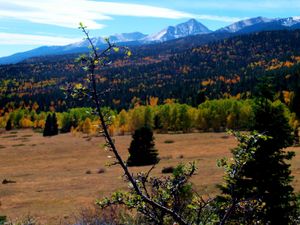
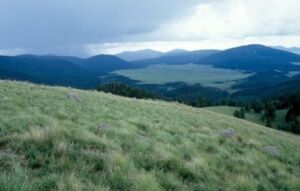
The Southern Rocky Mountains ecoregion encompasses 26,479 km² (10,223 mi²) and includes the Sangre de Cristo, Jemez, and San Juan Mountains in New Mexico. These ranges are at the southern end of a 144,349 km² (55,733 mi²) contiguous segment that extends to southern Wyoming (CEC 2021). In New Mexico, elevations range from 1,657–4,013 m (5,438–13,163 ft) (USGS 2024a); terrain is characterized by steep, rugged mountains, complex masses of peaks, and some intermontane valleys. The climate is mostly characterized as mid-latitude continental but is subarctic at high elevations. From 1991 to 2020, summers were cool to warm; winters were cold (averaging –2 °C [28 °F]). Precipitation averages for the same time period were 56 cm (22 in) (range: 25–120 cm [9–47 in]) (AdaptWest Project 2022). Precipitation occurs as snow in winter and thundershowers in summer.
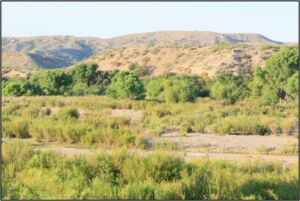
Habitats
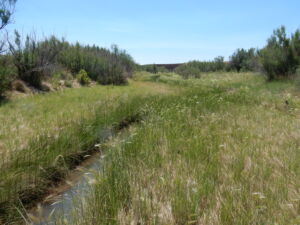
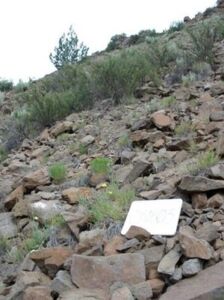
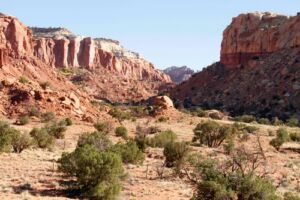
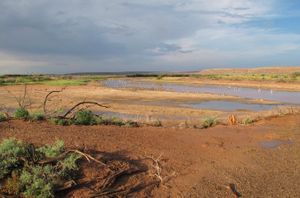
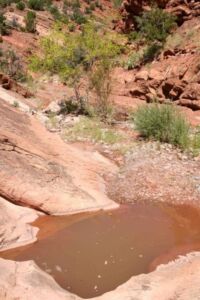
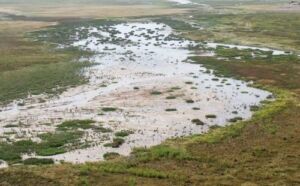
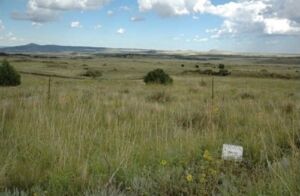
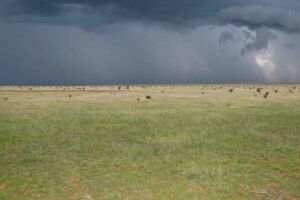
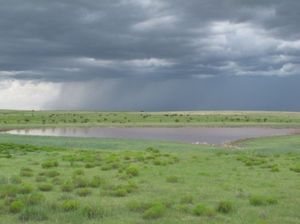
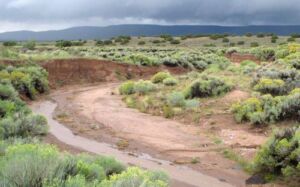
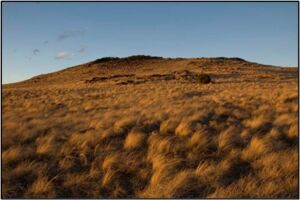
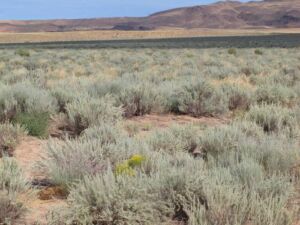
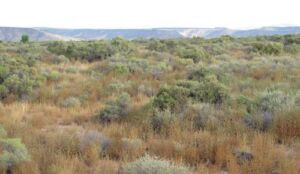
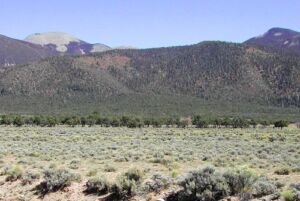
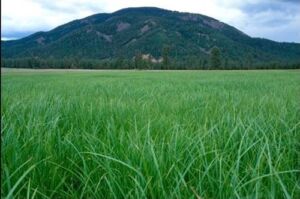
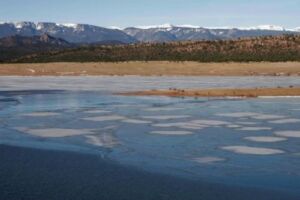
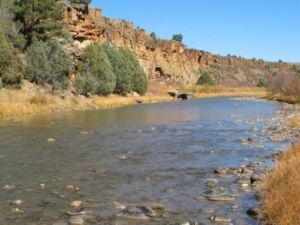
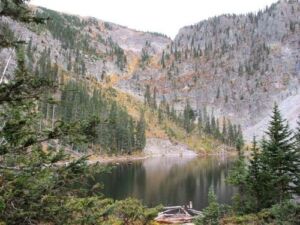
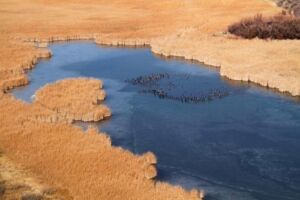
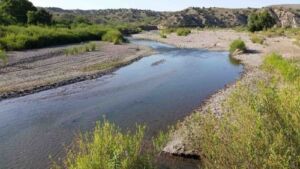
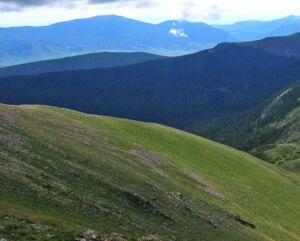
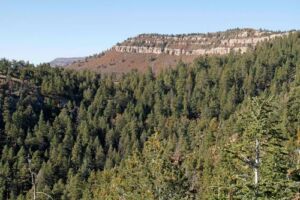

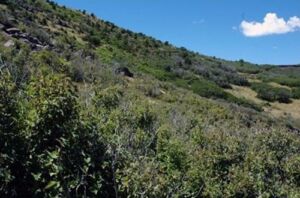
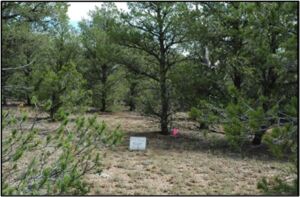
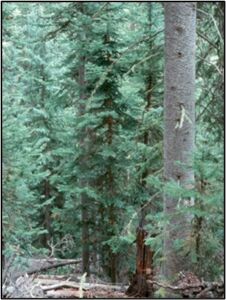
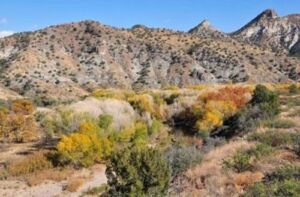
Species of Greatest Conservation Need in the Southern Rocky Mountains
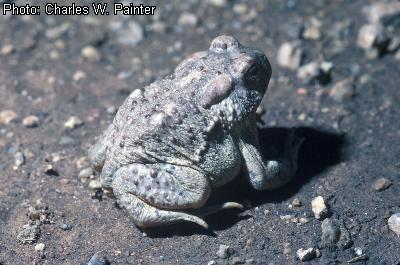
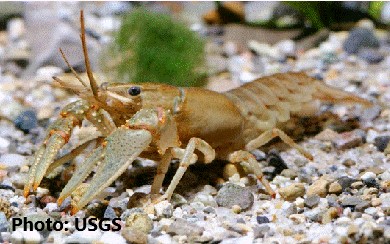
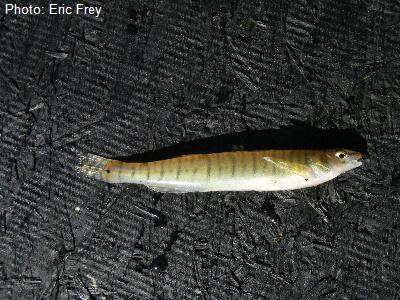
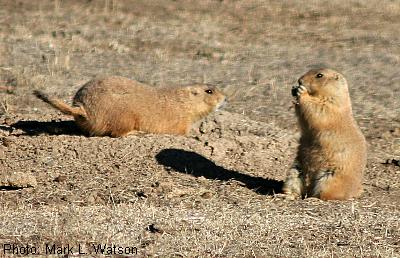
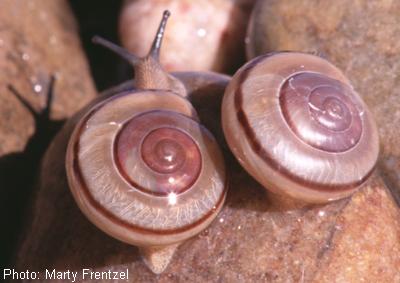
SGCN Amphibians in the Southern Rocky Mountains
Phenacomys intermedius intermedius
Microtus ochrogaster haydenii
Zapus princeps princeps
Lepus townsendii campanius
Pisidium lilljeborgi
Gastrocopta ruidosensis
Ashmunella thomsoniana
Gyraulus crista