

| Scientific Name | Marmota flaviventris |
| Category | D |
| Taxon | Mammals |
| Climate Change Vulnerability Score | Less Vulnerable |
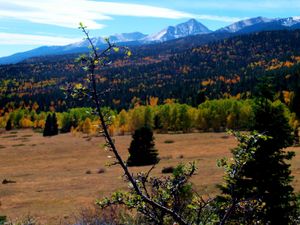
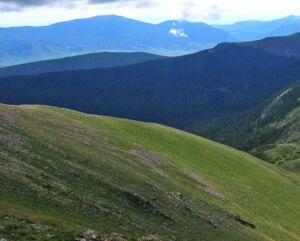
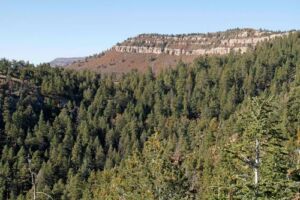
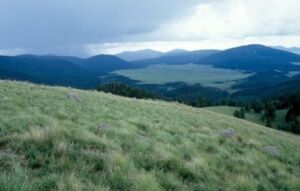
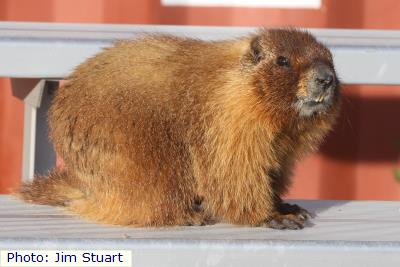
The Yellow-bellied Marmot (Marmota flaviventris) is a large (47-60 cm [18.5-24 in]; 2–5 kg [4-11 lb]) rodent in the squirrel family (Sciuridae) found in the mountainous regions of the US and Canada. This species inhabits open meadows, grasslands, and rocky slopes. Found mostly at elevations over 6,560 m (2,000 ft) and in habitats with abundant vegetation. It is herbivorous, primarily eating grasses, flowers, fruits, and other vegetation. The Yellow-bellied Marmot will experience a high degree of climate exposure and has a moderately high adaptive capacity. Overall, it has a Climate Change Vulnerability Index ranking of Less Vulnerable under both Representative Concentration Pathway (RCP) 4.5 and RCP 8.5 Scenarios. The Yellow-bellied Marmot’s climate change vulnerability is impacted by factors related to life history and abiotic niche, which influence its ability to persist in place and respond to climate change impacts.