
| Scientific Name | Falco peregrinus |
| Category | D |
| Taxon | Birds |
| Climate Change Vulnerability Score | Less Vulnerable |
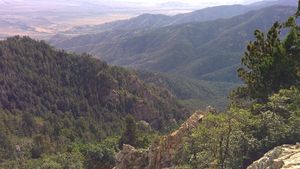
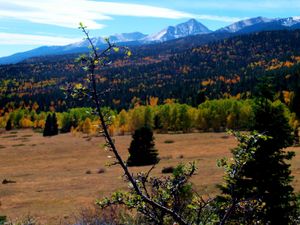
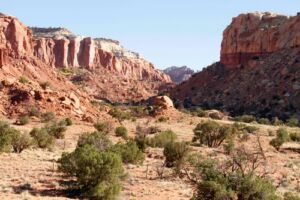
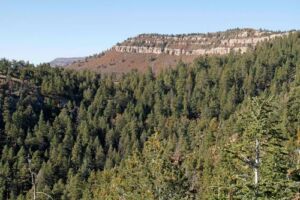
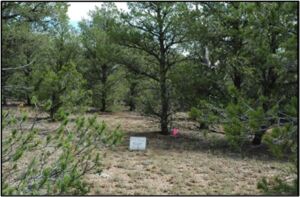
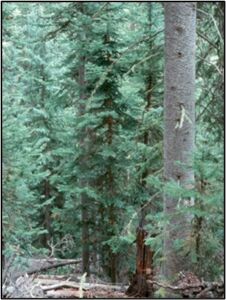
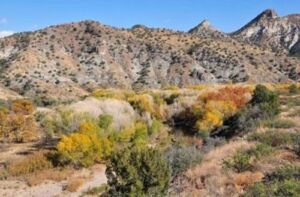
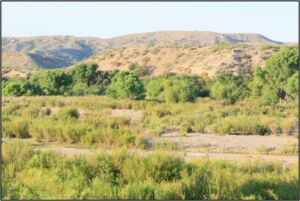
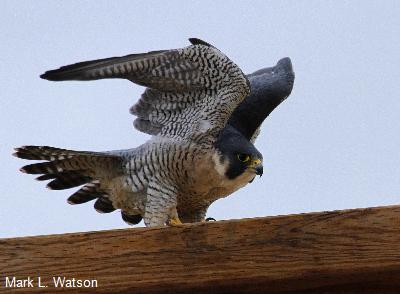
The Peregrine Falcon (Falco peregrinus) is a medium-sized (36-48 cm [14-19 in]) falcon that was historically distributed throughout North and South America. Peregrine populations decreased drastically with the use of dichlorodiphenyltrichloroethane (DDT) starting in the 1940s and experienced continuing exposure to pesticides on wintering grounds even after DDT was regulated in the US. Its rangewide populations have recently stabilized but at much lower numbers. It is known for its ability to reach impressively high speeds while hunting bats and birds of diverse sizes and occasionally fish and rodents. In New Mexico, it often nests on cliffs that are in open woodlands and forests. The Peregrine Falcon will experience a high degree of climate exposure and has a high adaptive capacity. Overall, it has a Climate Change Vulnerability Index ranking of Less Vulnerable under both Representative Concentration Pathway (RCP) 4.5 and RCP 8.5 Scenarios. The Peregrine Falcon’s climate change vulnerability is impacted by factors related to movement and life history, which influence its ability to shift in space and persist in place.