
| Scientific Name | Lepus americanus bairdii |
| Category | D |
| Taxon | Mammals |
| Climate Change Vulnerability Score | Less Vulnerable |
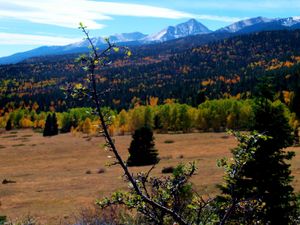
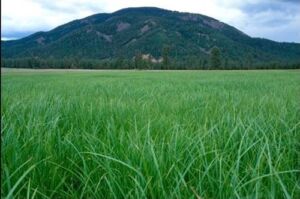
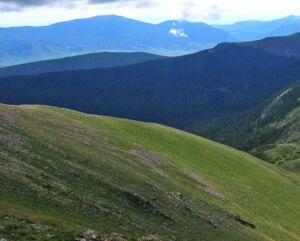
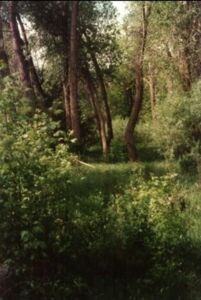
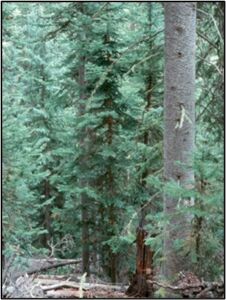
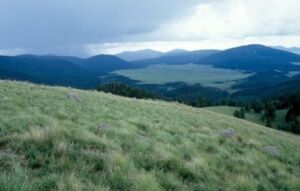
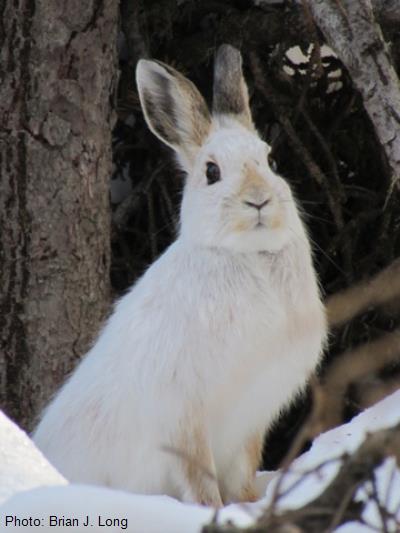
The Snowshoe Hare (Lepus americanus bairdii) is a large species in the hare family (Leporidae; 41-52 cm [16-20 in] long; 1-2 kg [2-4 lb]) with fur that is rusty-brown in summer and white in winter. It is found in forests with a dense understory, mainly active at night, and does not hibernate. It eats grass and leaves in summer and twigs and plants in winter. The Snowshoe Hare will experience a high degree of climate exposure and has a moderately high adaptive capacity. Overall, it has a Climate Change Vulnerability Index ranking of Less Vulnerable under the Representative Concentration Pathway (RCP) 4.5 Scenario and Moderately Vulnerable under the RCP 8.5 Scenario. The Snowshoe Hare’s climate change vulnerability is impacted by factors related to distribution, movement, and abiotic niche, which influence its ability to shift in space and respond to climate change impacts.