

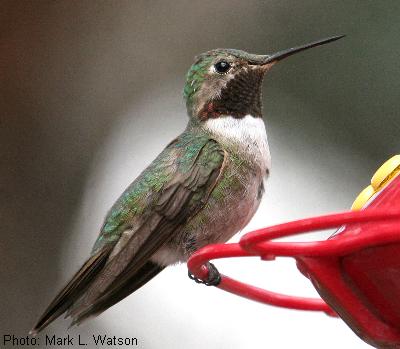
| Scientific Name | Selasphorus platycercus platycercus |
| Category | D |
| Taxon | Birds |
| Climate Change Vulnerability Score | Less Vulnerable |
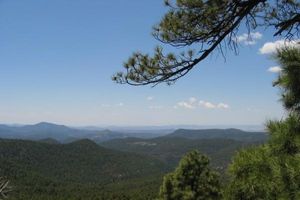
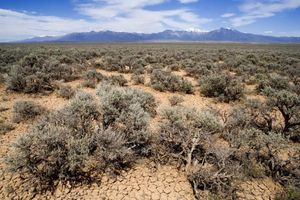
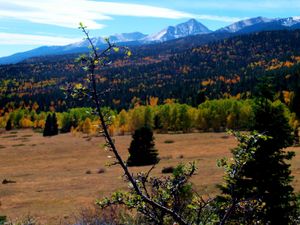
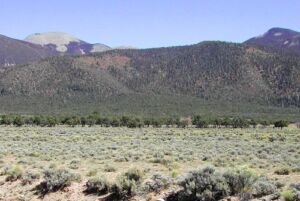
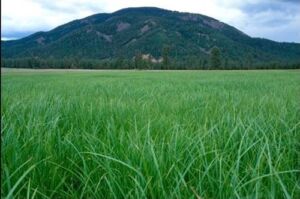
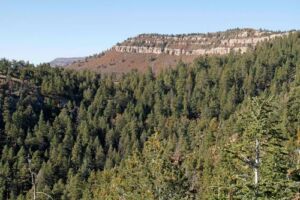
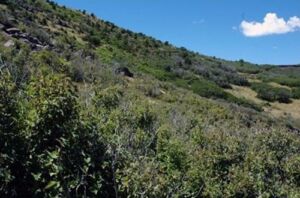
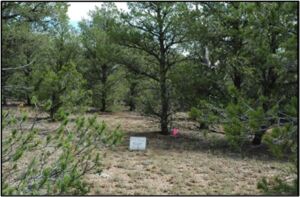
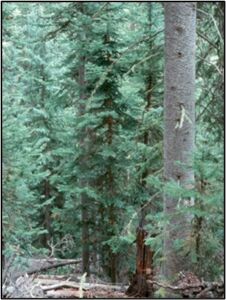
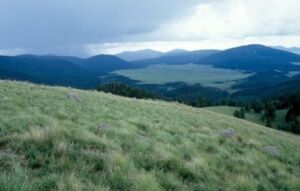
The Broad-tailed Hummingbird (Selasphorus platycercus platycercus) is a medium-sized hummingbird (8-9 cm [3-3.5 in] long; 2.8-4.5 g [0.1-0.2 oz]) with a green back and head, greenish and whitish breast and belly, and a bright irridescent rose-red throat. It breeds in meadows and open woodlands in the high country in the interior western US and winters in Mexico. It forages for nectar in flowers and feeders, insects, and sap from sapsucker holes. The Broad-tailed Hummingbird will experience a high degree of climate exposure and has a high adaptive capacity. Overall, it has a Climate Change Vulnerability Index ranking of Less Vulnerable under both Representative Concentration Pathway (RCP) 4.5 and RCP 8.5 Scenarios. The Broad-tailed Hummingbird’s climate change vulnerability is impacted by movement factors, which influence its ability to shift in space. It also has documented or modeled responses to climate change that impact its vulnerability score.