

| Scientific Name | Empidonax traillii extimus |
| Category | I |
| Taxon | Birds |
| Climate Change Vulnerability Score | Moderately Vulnerable |
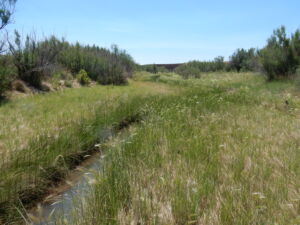
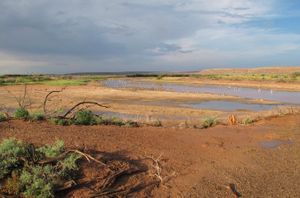
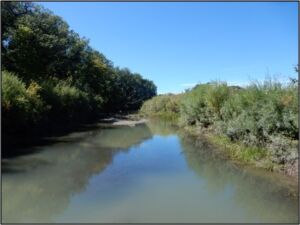
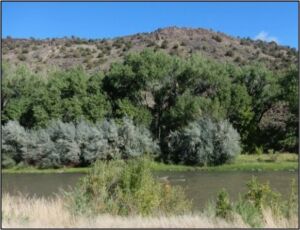
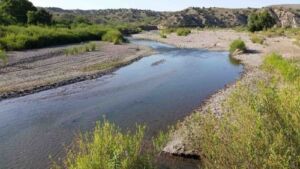
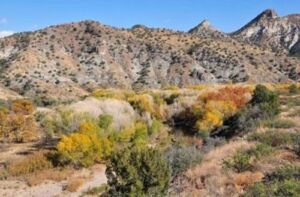
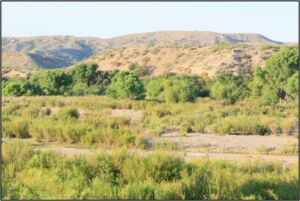
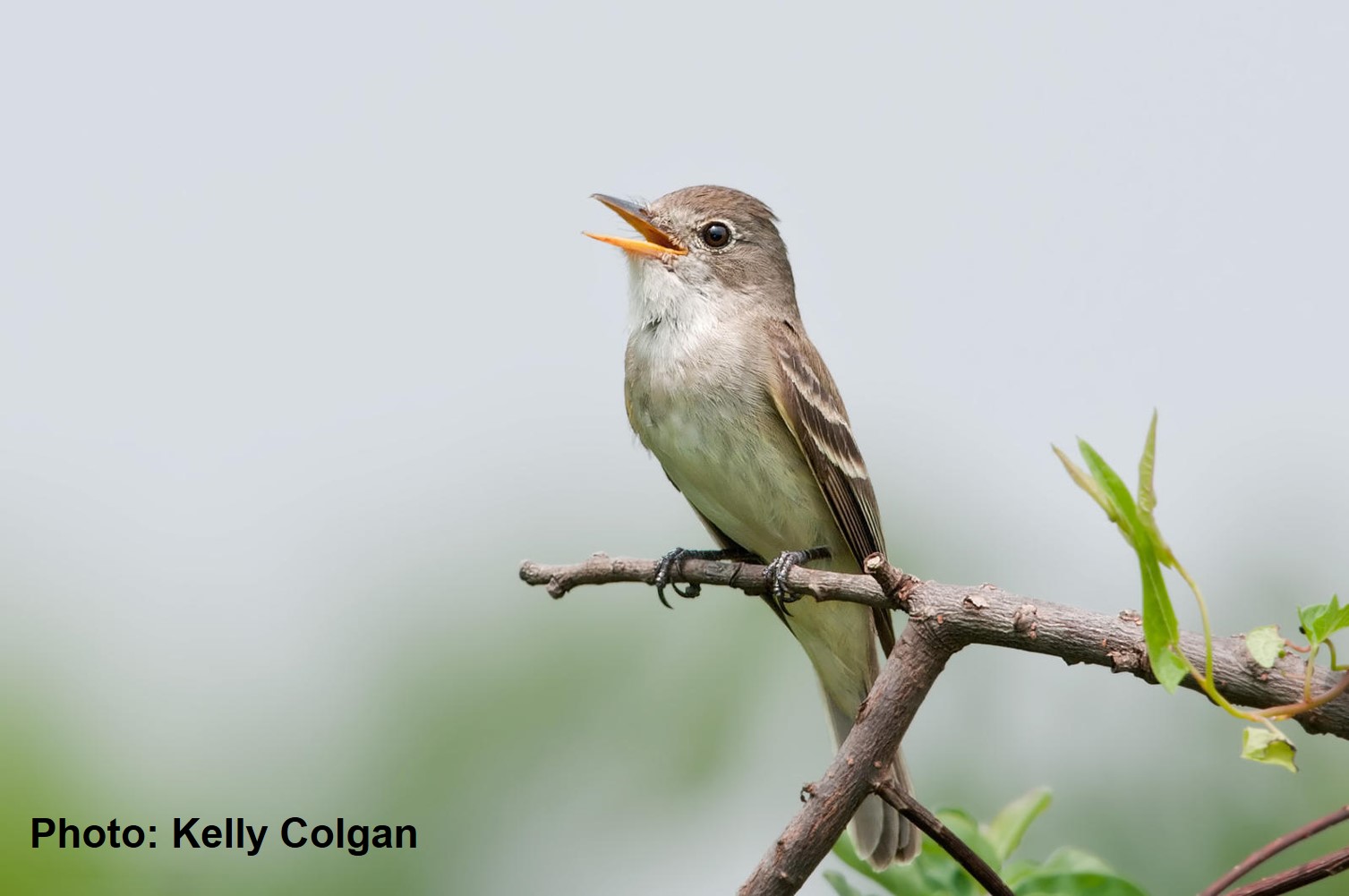
The Southwestern Willow Flycatcher (Empidonax traillii extimus) is a small (13-17 cm [5-7 in]) songbird that is found in the southwestern US and northwestern Mexico, mostly occurring in New Mexico and Arizona. It is a riparian obligate that positions its territory in an areas with willows (Salix spp.) and/or salt cedar (Tamarix spp.) and in the immediate vicinity of standing water. It is threatened by Brown-headed Cowbird (Molothrus ater) parasitism and habitat loss and degradation due to water and land management that modifies its riparian habitats. The Southwestern Willow Flycatcher will experience a high degree of climate exposure and has a moderately high adaptive capacity. Overall, it has a Climate Change Vulnerability Index ranking of Moderately Vulnerable under both Representative Concentration Pathway (RCP) 4.5 and RCP 8.5 Scenarios. The Southwestern Willow Flycatcher’s climate change vulnerability is impacted by factors related to movement, evolutionary potential, and abiotic niche, which influence its ability to shift in space and respond to climate change impacts. It is also impacted by anthropogenic or topographic barriers and other biologic factors, which could increase the effects of climate change.