


|
SWAP Habitat
|
|
Ephemeral Marshes/Cienegas/Springs
|
|
SWAP General Vegetation Type
|
|
Aquatic
|
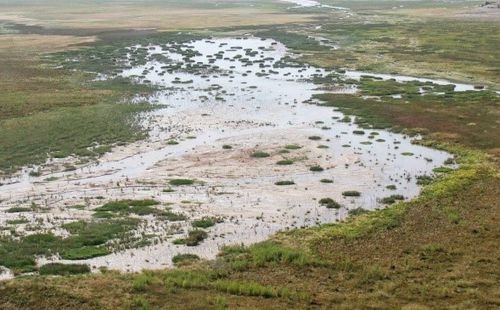
Ephemeral Marshes/Cienegas/Springs: Marshes and cienegas are water-saturated, poorly drained wetlands periodically inundated up to a depth of 2 m (7 ft). Marshes support an extensive cover of emergent, non-woody vegetation without peat-like accumulations. Cienegas are associated with ephemeral spring and seep systems in isolated arid basins of the southwest. Ephemeral springs are areas where groundwater intermittently flows naturally from a rock or soil substrate to the surface to form a stream, pond, marsh, or other body of water.
Species
Amphibians
Birds
Mammals
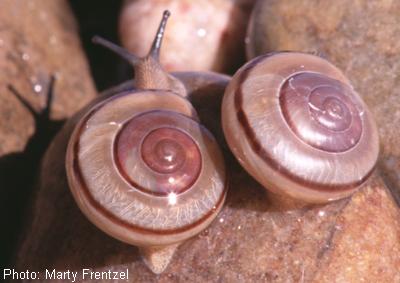
Molluscs
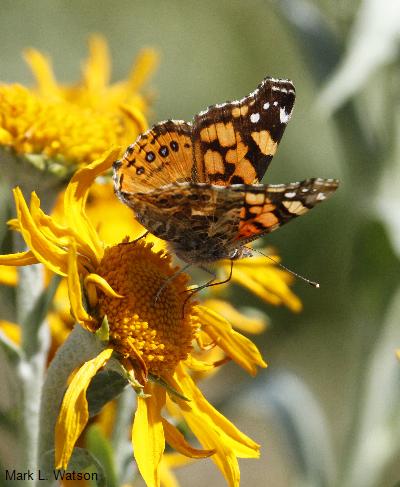
Moths and Butterflies
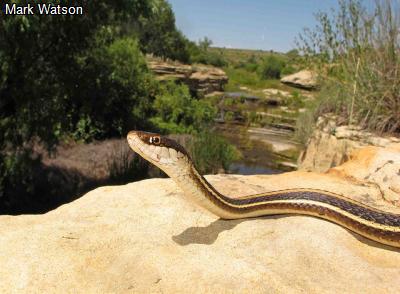
Reptiles
SGCN Amphibians in the Ephemeral Marshes/Cienegas/Springs
This Species needs a photo.
If you have one you would like to provide, please email it to virginia.seamster@dgf.nm.gov.
Include the species name, your name and organization for the photo credit.
Thank you!
This Species needs a photo.
If you have one you would like to provide, please email it to virginia.seamster@dgf.nm.gov.
Include the species name, your name and organization for the photo credit.
Thank you!
This Species needs a photo.
If you have one you would like to provide, please email it to virginia.seamster@dgf.nm.gov.
Include the species name, your name and organization for the photo credit.
Thank you!
This Species needs a photo.
If you have one you would like to provide, please email it to virginia.seamster@dgf.nm.gov.
Include the species name, your name and organization for the photo credit.
Thank you!
This Species needs a photo.
If you have one you would like to provide, please email it to virginia.seamster@dgf.nm.gov.
Include the species name, your name and organization for the photo credit.
Thank you!
Threats and Conservation Actions
Result for:
All
Natural System Modifications
Consider appropriate policies to protect the biotic and abiotic resources of ephemeral aquatic ecosystems and to support higher water quality standards for wetlands. Potential collaborators: NMED.
Natural System Modifications
Create public awareness of the function, values, services, and products of ephemeral aquatic ecosystems. Potential collaborators: BLM, NPS, USFS, USFWS, SLO, non-profit organizations.
Invasive and Other Problematic Species, Genes, and Diseases
Develop and implement protocols to detect, reduce, or eradicate non-native and invasive species in ephemeral aquatic habitats while encouraging repopulation by native species. When removing non-native riparian plants, prioritize removal of monoculture stands (e.g., Johnson et al. 2018b) and ensure that sufficient native riparian vegetation is locally available to SGCN and that local hydrological conditions support native vegetation regrowth. Stage and balance non-native plant removal and native habitat restoration over time, to avoid rapid loss of exotic woody riparian habitats for wildlife until native habitats can be developed (Sogge et al. 2013). Potential collaborators: BLM, DOD, DOE, NPS, NRCS, USFS, USFWS, NMDA, NMED, SLO, universities, private landowners, Tribal natural-resource managers.
Natural System Modifications
Develop and implement survey and monitoring protocols for aquatic and semi-aquatic SGCN in ephemeral habitats that currently are not monitored. Potential collaborators: BLM, DOD, NPS, USFS, USFWS, SLO, universities, Tribal natural-resource managers.
Natural System Modifications
Develop and maintain a database of the location and status of ephemeral aquatic habitats. Use standardized monitoring and survey methods and satellite imagery to classify and track gains and losses of habitat. Potential collaborators: NMED, universities, non-profit organizations.
Natural System Modifications
Document, monitor, protect, enhance, and restore ephemeral aquatic ecosystems (catchments, marshes/cienegas/springs, playas) to minimize the loss of these water bodies and any surrounding wetlands in New Mexico. Develop monitoring protocols and conservation actions for ephemeral aquatic habitats and associated SGCN. In particular, focus efforts on wetland-obligate species that use these habitats for all or part of their life cycle or during migration. Potential collaborators: BLM, NRCS, USFS, NMED, SLO, universities, non-profit organizations, private landowners.
Natural System Modifications
Employ and support incentive programs, including those specifically designed for wetland conservation, to protect, enhance, and restore aquatic habitats. Potential collaborators: NRCS, private landowners.
Natural System Modifications
Examine and quantify how geographically isolated wetlands and wetland complexes contribute hydrologically, chemically, and biologically to other waters. Includes assessing how they contribute to surface and groundwater quality and how they differ in terms of biodiversity from interconnected wetland complexes. Potential collaborators: BLM, DOD NPS, USFS, USFWS, NMED, SLO, universities, non-profit organizations.
Natural System Modifications
Identify SGCN within ephemeral aquatic ecosystems and isolated wetlands that lack federal protection under the Clean Water Act and identify actions to protect these SGCN and their habitats. Potential collaborators: BLM, DOD, NPS, USFS, USFWS, NMED, SLO, universities, non-profit organizations, Tribal natural-resource managers.
Natural System Modifications
Identify at-risk populations of SGCN that utilize ephemeral aquatic habitats and develop actions to conserve them. Potential collaborators: BLM, DOD, NPS, USFS, USFWS, SLO, universities, Tribal natural-resource managers.
Natural System Modifications
Identify populations of aquatic, semi-aquatic, and riparian SGCN in ephemeral aquatic ecosystems that become isolated during dry periods. Work to protect interconnected wetland habitats and to connect currently isolated wetland patches to limit geographic isolation of wetland ecosystems that might lead to biodiversity loss. Potential collaborators: BLM, DOD, NPS, USFS, USFWS, NMBGMR, NMED, SLO, universities.
Invasive and Other Problematic Species, Genes, and Diseases
Investigate the current distribution of invasive and problematic species and diseases with special emphasis on their impact to aquatic SGCN and associated ephemeral aquatic habitats. Identify ways to minimize the spread of these species and diseases. Potential collaborators: BLM, DOD, DOE, NPS, NRCS, USFS, USFWS, NMDA, NMED, SLO, universities, private landowners, Tribal natural-resource managers.
Natural System Modifications
Investigate the ecology of threats to and environmental conditions that limit SGCN that inhabit ephemeral aquatic habitats. Potential collaborators: BLM, NPS, USFS, USFWS, SLO, universities, Tribal natural-resource managers.
Natural System Modifications
Locate and protect SGCN that occur in high elevation, ephemeral aquatic ecosystems. Potential collaborators: USFS, private landowners.
Invasive and Other Problematic Species, Genes, and Diseases
Maintain isolation between ephemeral aquatic habitats in cases where the presence of disease or invasive species in one habitat threatens to spread into neighboring, unaffected habitats. Potential collaborators: BLM, DOD, DOE, NPS, USFS, USFWS, SLO, universities, private landowners, Tribal natural-resource managers.
Natural System Modifications
Re-connect ephemeral stream and wetland habitats that have been fragmented by roads, culverts, and other man-made structures that isolate and preclude movement of aquatic and semi-aquatic SGCN. Does not include structures that serve a beneficial role for wildlife (e.g., native fish barriers). Re-establish SGCN in areas where extirpated and appropriate. Potential collaborators: BLM, NPS, USFS, NMDOT, private landowners.
Invasive and Other Problematic Species, Genes, and Diseases
Restore aquatic SGCN reduced by the presence of non-native species in ephemeral aquatic habitats. Potential collaborators: BLM, DOD, NPS, USFS, USFWS, SLO, universities, private landowners, Tribal natural-resource managers.