

| Scientific Name | Zapus luteus luteus |
| Category | I |
| Taxon | Mammals |
| Climate Change Vulnerability Score | Moderately Vulnerable |
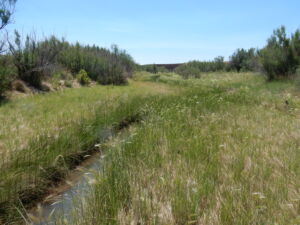
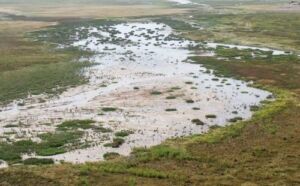
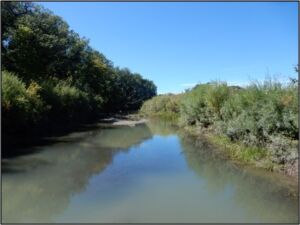
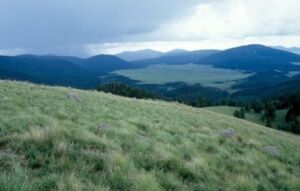
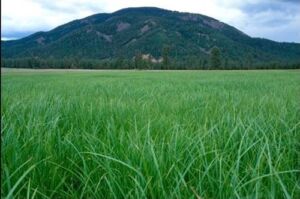
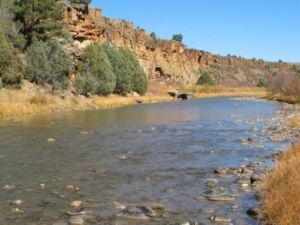
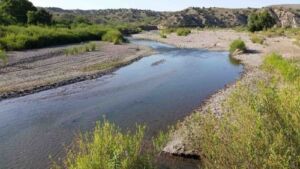
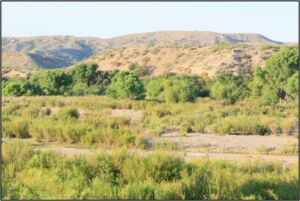
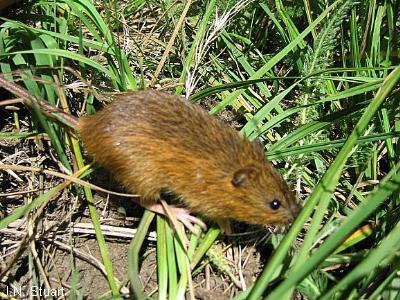
The New Mexico Jumping Mouse (Zapus hudsonius luteus = Zapus luteus luteus) is a small (19-22 cm [7.5-9 in] total length) subspecies of jumping mouse that is found in moist, tall, dense herbaceous vegetation, including grasses, sedges, rushes (Juncus spp.), and willows (Salix spp.), in riparian areas. It currently occurs in isolated populations in the Jemez, Sacramento, Sangre de Cristo, and San Juan Mountains in New Mexico and the White Mountains in Arizona; it is also found at the Bosque del Apache National Wildlife Refuge along the Rio Grande in central New Mexico. Additional surveys are needed to determine its status along the Rio Chama and other sites along the Rio Grande in New Mexico. It is threatened by habitat modification, including from to drought and unregulated grazing. The New Mexico Jumping Mouse will experience a high degree of climate exposure and has a moderately low adaptive capacity. Overall, it has a Climate Change Vulnerability Index ranking of Moderately Vulnerable under the Representative Concentration Pathway (RCP) 4.5 Scenario and Extremely Vulnerable under the RCP 8.5 Scenario. The New Mexico Jumping Mouse’s climate change vulnerability is impacted by factors related to distribution, evolutionary potential, and abiotic niche, which influence its ability to shift in space and respond to climate change impacts. It is also impacted by barriers, land-use changes, and other anthropogenic factors and biologic factors that could increase the effects of climate change.