

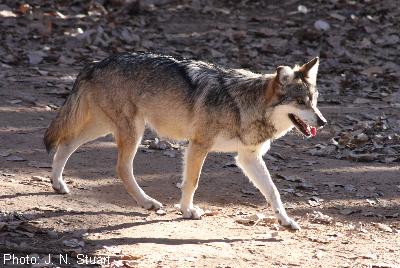
| Scientific Name | Canis lupus baileyi |
| Category | I |
| Taxon | Mammals |
| Climate Change Vulnerability Score | Moderately Vulnerable |
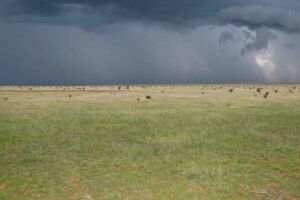
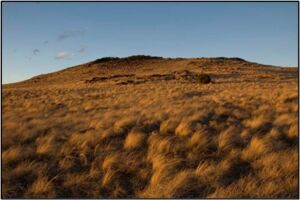
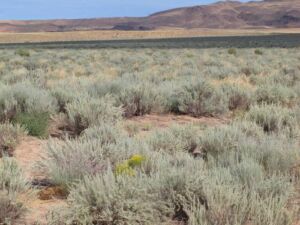
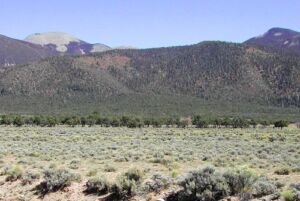
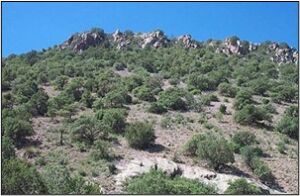
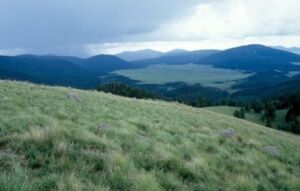
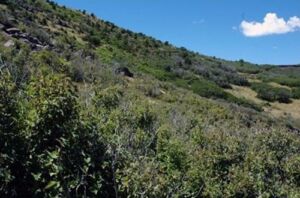
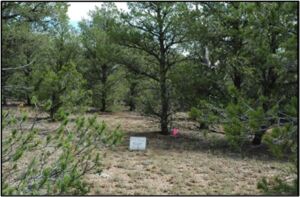
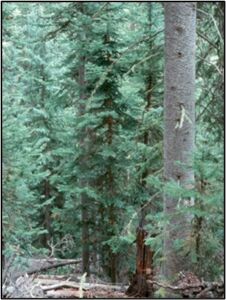
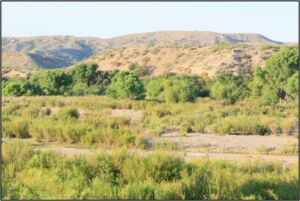
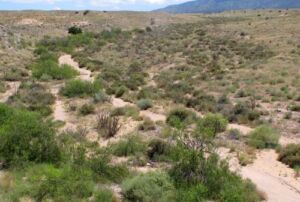
The Mexican Gray Wolf (Canis lupus baileyi) is the largest member of the dog family in New Mexico (up to 2 m [7 ft]). Historically it was widely distributed through Arizona, New Mexico, Texas, and south into central Mexico. It has been extirpated from most of its historic range and has more recently been reintroduced to Arizona and New Mexico. It can inhabit any habitat type where its presence doesn’t conflict with human land uses and where prey, including large ungulates, is abundant. The Mexican Gray Wolf will experience a high degree of climate exposure and has a moderately low adaptive capacity. Overall, it has a Climate Change Vulnerability Index ranking of Moderately Vulnerable under the Representative Concentration Pathway (RCP) 4.5 Scenario and Extremely Vulnerable under the RCP 8.5 Scenario. The Mexican Gray Wolf’s climate change vulnerability is impacted by factors related to distribution and evolutionary potential, which influence its ability to shift in space and respond to climate change impacts. It is also impacted by barriers, land-use changes, and other anthropogenic factors that could increase the effects of climate change.