

| Scientific Name | Idionycteris phyllotis |
| Category | D |
| Taxon | Mammals |
| Climate Change Vulnerability Score | Less Vulnerable |
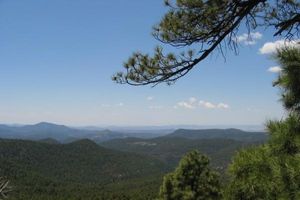
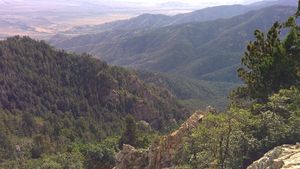
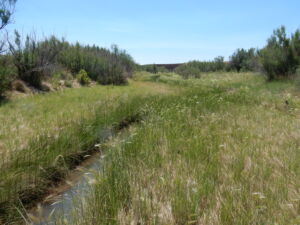
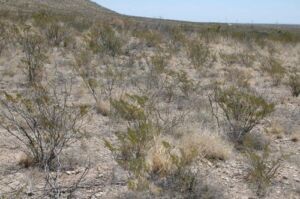
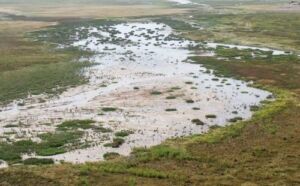
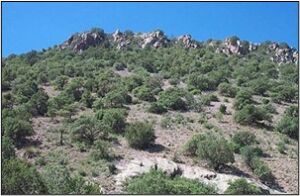
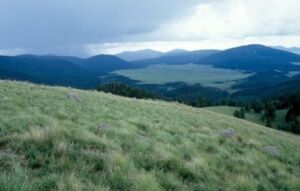
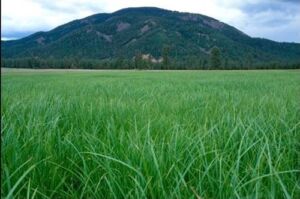
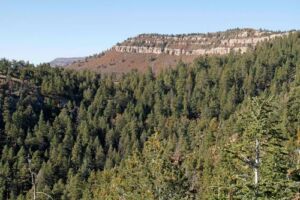
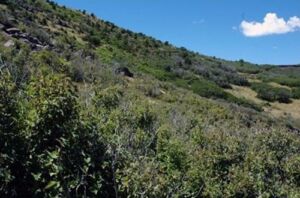
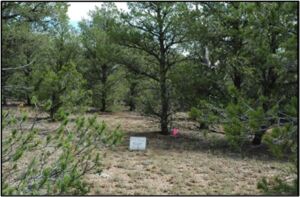
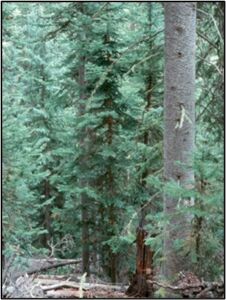
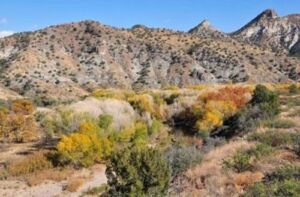
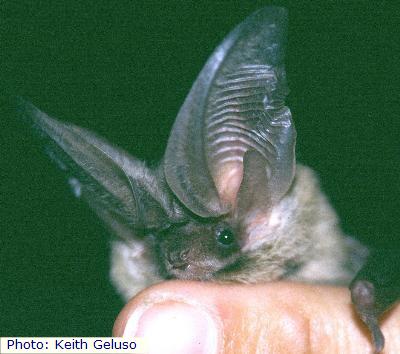
The Allen's Big-eared Bat (Idionycteris phyllotis) is a large (10-12 cm [4-5 in]) bat that can be found in Arizona, California, Nevada, New Mexico, and south to Mexico. It primarily dwells in caves located in mountainous pine (Pinus spp.) and oak (Quercus spp.) forests. The availability of water holes is a significant factor in habitat selection due to the bat's high rate of evaporative water loss. It flies in a swift, direct, and open style. The Allen’s Big-eared Bat will experience a high degree of climate exposure and has a moderately high adaptive capacity. Overall, it has a Climate Change Vulnerability Index (ranking of Highly Vulnerable under the Representative Concentration Pathway (RCP) 4.5 Scenario and Extremely Vulnerable under the RCP 8.5 Scenario. The Allen’s Big-eared Bat’s climate change vulnerability is impacted by factors related to movement and abiotic niche, which influence its ability to shift in space and respond to climate change impacts.