

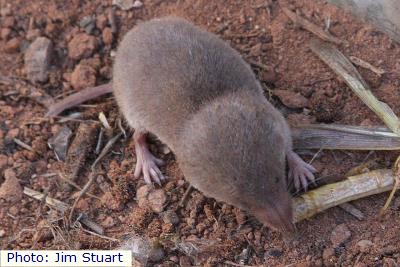
| Scientific Name | Cryptotis parvus |
| Category | F |
| Taxon | Mammals |
| Climate Change Vulnerability Score | Less Vulnerable |
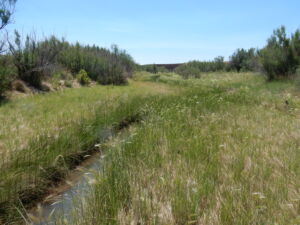
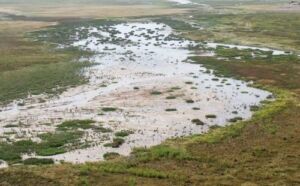
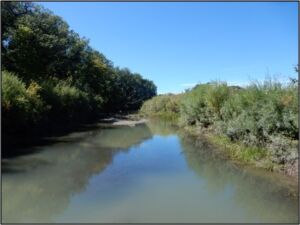
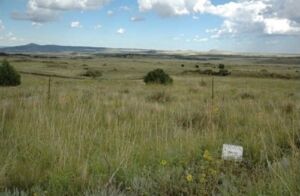
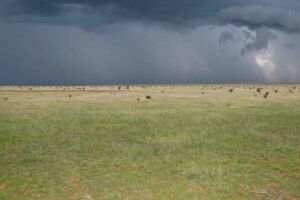
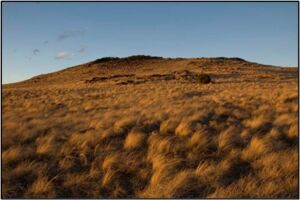
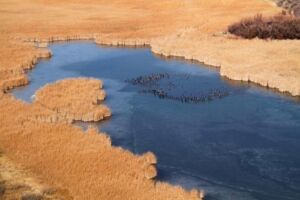
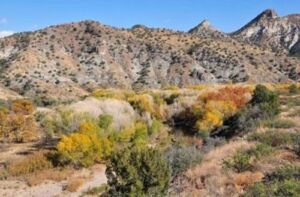
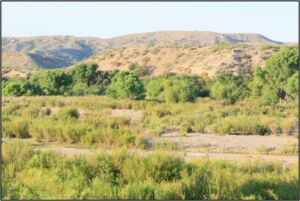
The Least Shrew (Cryptotis parvus) is a small (10 cm [4 in] long) shrew that is widely distributed from the eastern US west to Colorado and New Mexico and from southeastern Ontario, Canada to the southernmost US. In New Mexico, it is found primarily in mesic areas with dense grass cover. The irrigation of the Great Plains has facilitated the extension of its distribution westward in the past few decades. The Least Shrew will experience a high degree of climate exposure and has a high adaptive capacity. Overall, it has a Climate Change Vulnerability Index ranking of Less Vulnerable under the Representative Concentration Pathway (RCP) 4.5 Scenario and Moderately Vulnerable under the RCP 8.5 Scenario. The Least Shrew’s climate change vulnerability is impacted by factors related to demography and abiotic niche, which influence its ability to persist in place and respond to climate change impacts. It is also impacted by barriers, land-use changes, and other anthropogenic and biologic factors that could increase the effects of climate change.