

| Scientific Name | Actitis macularius |
| Category | D |
| Taxon | Birds |
| Climate Change Vulnerability Score | Less Vulnerable |
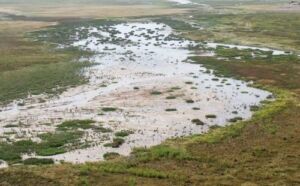
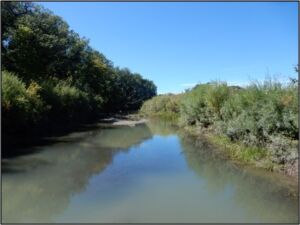
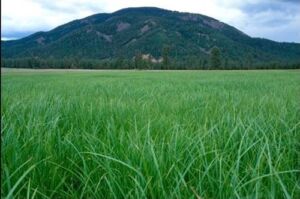
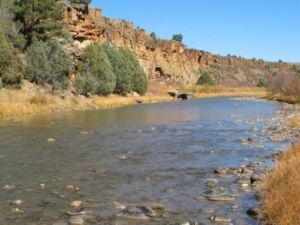
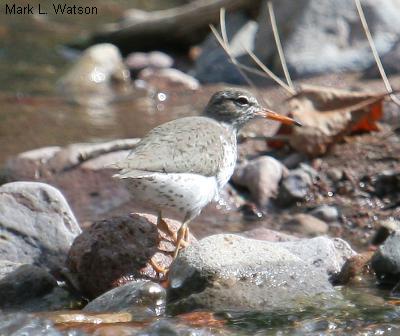
The Spotted Sandpiper (Actitis macularius) is a medium-sized shorebird (18-20 cm [7-8 in] long; 34-50 g [1-2 oz]) with brown upperparts; round, brown spots on its white belly; and an orange bill in breeding season. It hunts for small invertebrates and crustaceans on the edges of rivers, streams, and other bodies of water. It breeds throughout most of Canada and the US and winters in parts of the southern US and south to South America. The Spotted Sandpiper will experience a high degree of climate exposure and has a high adaptive capacity. Overall, it has a Climate Change Vulnerability Index ranking of Less Vulnerable under both Representative Concentration Pathway (RCP) 4.5 and RCP 8.5 Scenarios. The Spotted Sandpiper’s climate change vulnerability is impacted by abiotic niche factors, which influence its ability to respond to climate change impacts. It also has documented or modeled responses to climate change that impact its vulnerability score.