

| Scientific Name | Numenius americanus americanus |
| Category | D |
| Taxon | Birds |
| Climate Change Vulnerability Score | Less Vulnerable |
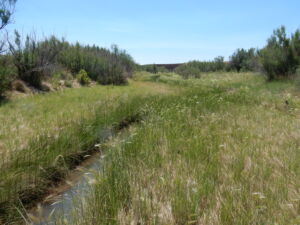
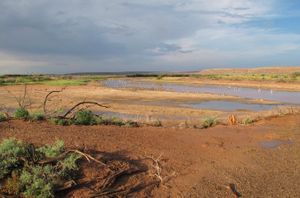
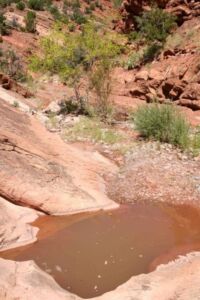
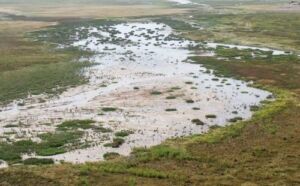
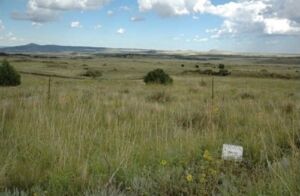
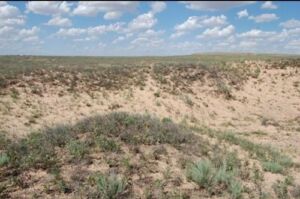
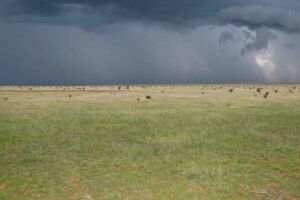
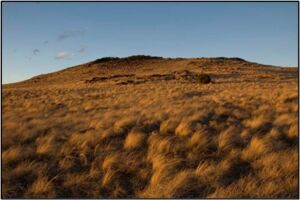
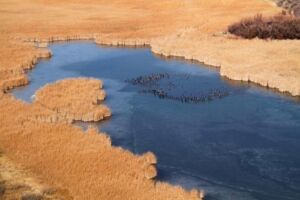
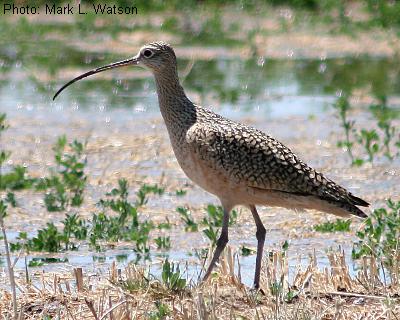
The Long-billed Curlew (Numenius americanus americanus) is also known as “sicklebird” because of its long, downward-curving bill. It is a large (50-60 cm [20-24 in]) waterbird that breeds west of the Mississippi River in the US and up into southern Canada and winters in Mexico. It breeds in New Mexico habitats with short grasses, such as prairies and agricultural fields. The Long-billed Curlew will experience a high degree of climate exposure and has a moderately high adaptive capacity. Overall, it has a Climate Change Vulnerability Index ranking of Less Vulnerable under the Representative Concentration Pathway (RCP) 4.5 Scenario and Moderately Vulnerable under the 8.5 Scenario. The Long-billed Curlew’s climate change vulnerability is impacted by factors related to distribution, movement, and abiotic niche, which influence its ability to shift in space and respond to climate change impacts. It is also impacted by land-use changes and other anthropogenic and biologic factors that could increase the effects of climate change.