
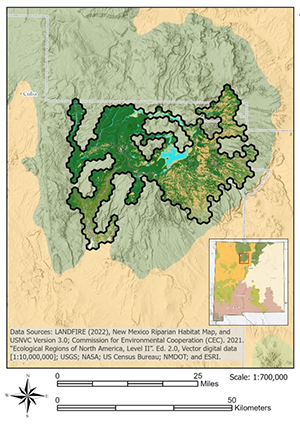
The Jemez Mountains COA (Figure 27) spans approximately 108,486 ha (268,072 ac) and is located west of Los Alamos and about 50 km (~31 mi) west of Santa Fe. It encompasses portions of the Jemez Mountains, including the headwaters of the Jemez River, and extends downstream to the Pueblo of Jemez.
Land ownership within this COA is diverse, with the USFS managing the majority (55%). The NPS manages 24.5% of the land, while the US Department of Energy and Tribal entities each manage 7%. Private ownership accounts for 6.5% and state-managed lands, including NMSP and the Department, make up less than 0.5% of the area. This COA also includes two Important Bird Areas: Bandelier National Monument and Valles Caldera/Jemez Mountains. Approximately 29% of the COA is currently protected.
The COA supports 18 native vegetation habitats, two ruderal or introduced vegetation types, and agricultural vegetation, barren areas, developed and urban spaces, and open water. The dominant habitats are Rocky Mountain Lower Montane Forest (50%), Rocky Mountain Subalpine-Montane Meadow and Grassland (11%), and Rocky Mountain Piñon-Juniper Woodland (11%). Perennial aquatic habitats within the COA include 13 km (8 mi) of warm-water streams, 328 km (204 mi) of cold-water streams, and 13 ha (32 ac) of cold-water reservoirs.
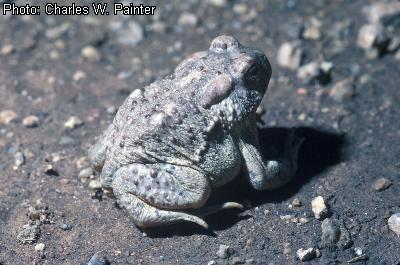
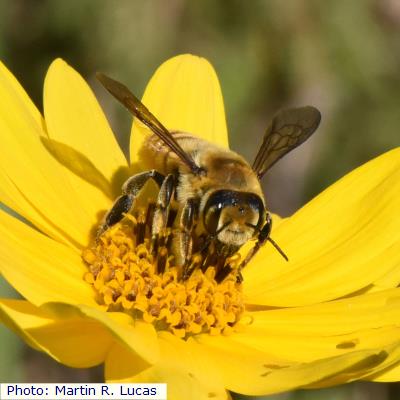
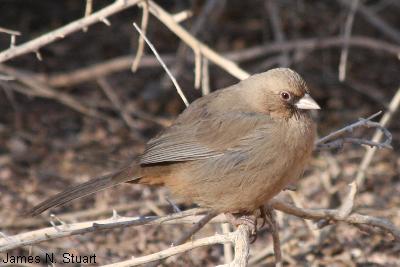
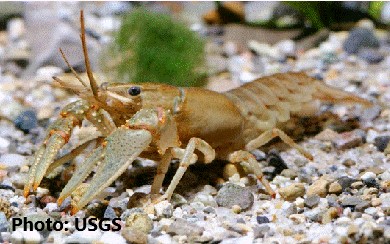
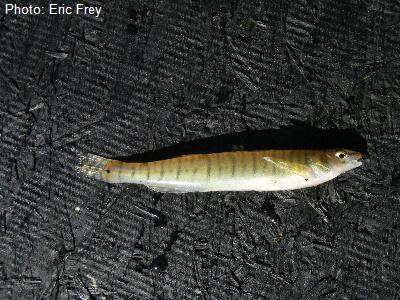
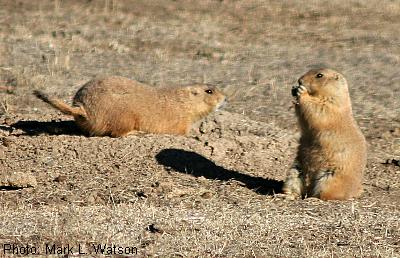
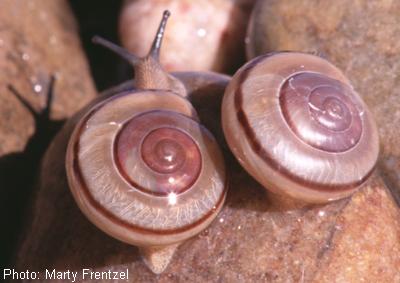
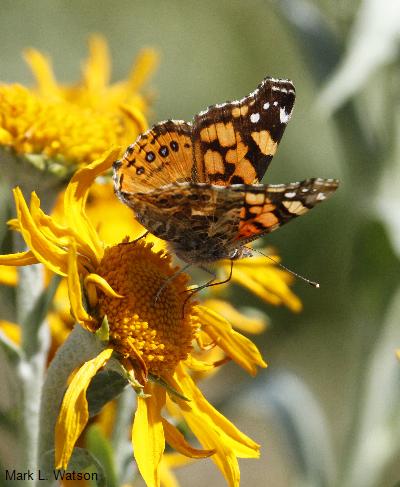
A total of 73 SGCN are found (either observed or with potential habitat) within the COA, including 12 classified as Conservation Impact Species (I) and 13 as Current Focal Species (F) (Appendix G). Except for its southern- and easternmost edges, this COA may represent a climate refugia for the Grace’s warbler (Setophaga graciae) through 2075, and areas directly north of this COA may become suitable for this species over the next 50 years. Eastern portions of this COA may represent a climate refugia for the American pika (Ochotona princeps) through 2075 (NHNM 2024). This COA also has very high potential to contain microclimate refugia for birds and mammals in general, high potential to contain microclimate refugia for amphibians, and some potential to contain microclimate refugia for cold-water fish (Table 11).
Habitat Name
Habitat Size in Hectares
Agricultural Vegetation
725
Arid West Interior Freshwater Emergent Marsh
10
Barren
67
Cliff, Scree, and Rock Vegetation
303
Colorado Plateau Cool Semi-Desert Ruderal Grassland
108
Colorado Plateau Piñon-Juniper Woodland
433
Desert Alkali-Saline Wetland
115
Developed and Urban
2609
Intermountain Arroyo Riparian Scrub
47
Intermountain Dry Shrubland and Grassland
2534
Intermountain Dwarf Sagebrush Shrubland
58
Intermountain Saltbush Shrubland
38
Intermountain Tall Sagebrush Shrubland
6151
Introduced Riparian Vegetation
77
Montane-Subalpine Wet Shrubland and Wet Meadow
4123
Open Water
144
Rocky Mountain Lower Montane Forest
54275
Rocky Mountain Montane Riparian Forest
1926
Rocky Mountain Montane Shrubland
8530
Rocky Mountain Piñon-Juniper Woodland
11934
Rocky Mountain Subalpine-High Montane Conifer Forest
1829
Rocky Mountain Subalpine-Montane Meadow and Grassland
11948
Southwest Lowland Riparian Forest
507
Southwest Lowland Riparian Shrubland
38
Species (SGCN)