
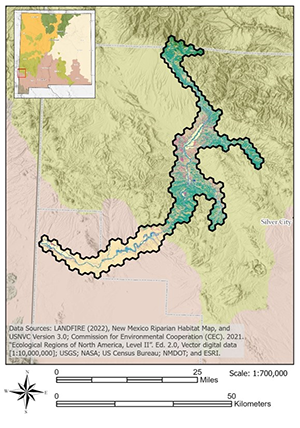
The Lower Gila River COA spans approximately 65,663 ha (162,257 ac) and extends from the Arizona state line upstream (northeastward) to an elevation of approximately 1,981 meters (6,500 ft), where the river becomes confined. It also includes the lower reaches of Bear and Mogollon Creeks.
Land ownership within this COA is diverse, with approximately 40% being privately owned. The USFS manages about 30% and BLM manages around 20%. State-managed lands, including those under the SLO (8%) and the New Mexico Department of Game and Fish (Department) (2.5%), make up the remainder of the area. This COA also includes three Important Bird Areas: Gila Bird Area, Gila-Cliff Area, and the Lower Gila Box. Approximately 29% of the COA is currently protected.
The COA supports 19 native vegetation habitats, four ruderal or introduced vegetation types, and agricultural vegetation, barren areas, developed and urban spaces, and open water. The dominant upland terrestrial habitats include Madrean Lowland Evergreen Woodland (27%), Chihuahuan Semi-Desert Grassland (22%), and Chihuahuan Desert Scrub (20%), while Southwest Lowland Riparian Forest (5%) is prevalent in the valley bottoms. Perennial aquatic habitats include 23 km (14 mi) of warm-water streams, 192 km (120 mi) of cold-water streams, and 26 ha (64 ac) of warm-water reservoirs.
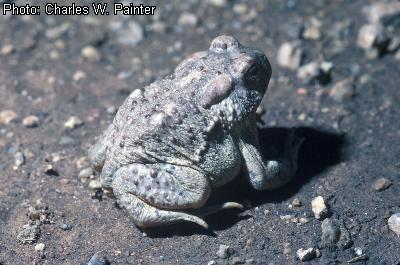
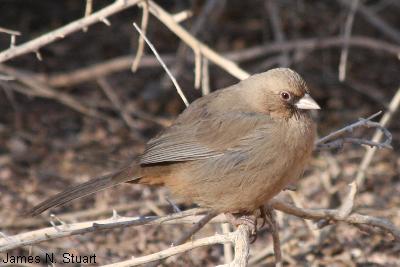
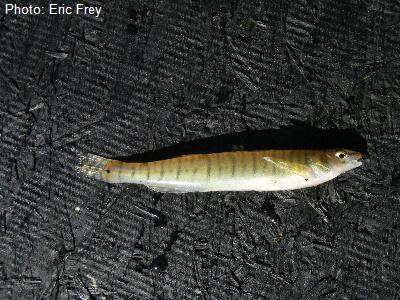
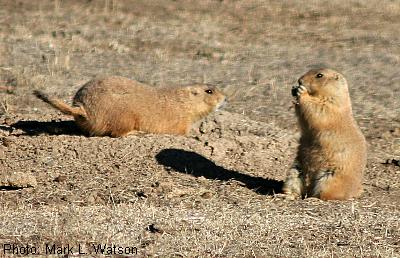
A total of 85 SGCN are found (either observed or with potential habitat) within the COA, including 15 classified as Conservation Impact Species (I) and 19 as Current Focal Species (F). Only a small area in the center of this COA, and some areas east and south of this COA, may represent a climate refugia for the pinyon jay (Gymnorhinus cyanocephalus) through 2075 (NHNM 2024). This COA has high potential to contain microclimate refugia for mammals and some potential to contain microclimate refugia for birds in general and macroclimate refugia for terrestrial species in general.
Habitat Name
Habitat Size in Hectares
Agricultural Vegetation
2566
Arid West Interior Freshwater Emergent Marsh
223
Barren
26
Chihuahuan Desert Scrub
13293
Chihuahuan Ruderal Grassland
1745
Chihuahuan Semi-Desert Grassland
14615
Cliff, Scree, and Rock Vegetation
2647
Colorado Plateau Cool Semi-Desert Ruderal Grassland
0.5
Colorado Plateau Piñon-Juniper Woodland
452
Desert Alkali-Saline Wetland
1090
Developed and Urban
838
Great Plains Ruderal Grassland and Shrubland
0.2
Intermountain Saltbush Shrubland
13
Introduced Riparian Vegetation
381
Madrean Lowland Evergreen Woodland
17786
Madrean Montane Forest and Woodland
330
Montane-Subalpine Wet Shrubland and Wet Meadow
6
Open Water
468
Rocky Mountain Lower Montane Forest
698
Rocky Mountain Montane Riparian Forest
92
Rocky Mountain Montane Shrubland
187
Rocky Mountain Subalpine-High Montane Conifer Forest
0.1
Rocky Mountain Subalpine-Montane Meadow and Grassland
5
Southwest Lowland Riparian Forest
2696
Southwest Lowland Riparian Shrubland
761
Warm Interior Chaparral
3580
Warm-Desert Arroyo Riparian Scrub
1020
Species (SGCN)