

| Scientific Name | Anaxyrus microscaphus microscaphus |
| Category | I |
| Taxon | Amphibians |
| Climate Change Vulnerability Score | Moderately Vulnerable |
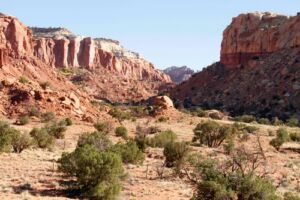
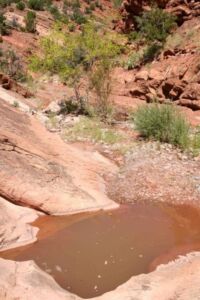
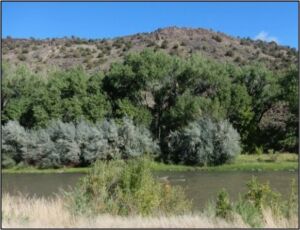
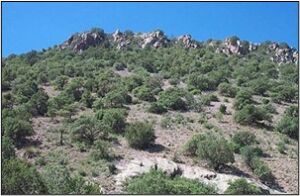
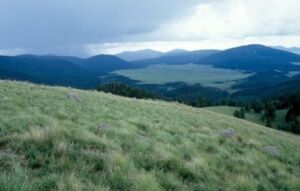
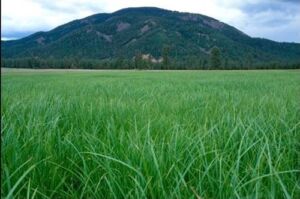
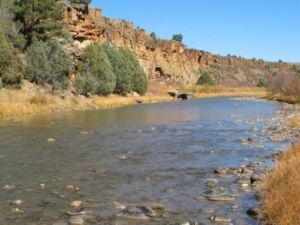
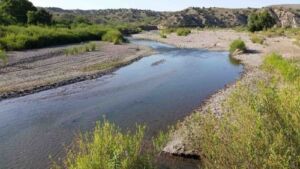
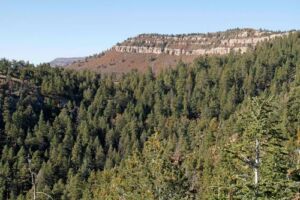
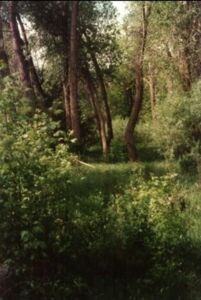
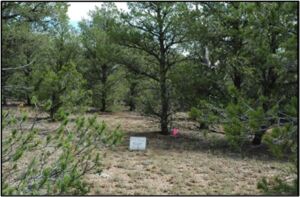
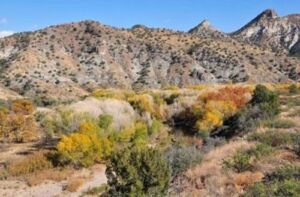
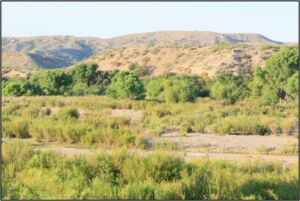
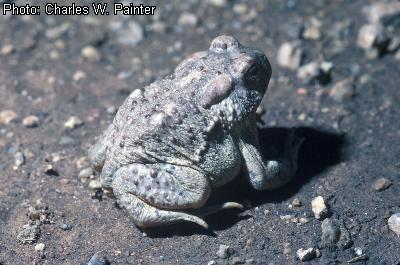
The Arizona Toad (Anaxyrus microscaphus microscaphus) is a medium-sized (8 cm [3 in]), warty toad that is distributed across Arizona and into neighboring California, Nevada, New Mexico, and Utah. It can be found in rocky streams in pine (Pinus spp.)-oak (Quercus spp.) forests or willow (Salix spp.)- and cottonwood (Populus spp.)-dominated forests or in anthropogenic habitats. It may breed in main-stem rivers or side channels and pools depending on flow conditions. It is threatened by habitat alteration, climate change, drought, forest fires, disease, and replacement by and hybridization with the Woodhouse’s Toad (Anaxyrus woodhousii). The Arizona Toad will experience a high degree of climate change exposure and has a moderately high adaptive capacity. Overall, it has a Climate Change Vulnerability Index ranking of Moderately Vulnerable under the Representative Concentration Pathway (RCP) 4.5 Scenario and Highly Vulnerable under the RCP 8.5 scenario. The Arizona Toad’s climate change vulnerability is impacted by factors related to movement, demography, and abiotic niche, which influence its ability to shift in space, persist in place, and respond to climate change impacts. It is also impacted by barriers, land-use changes, and other anthropogenic factors that could increase the effects of climate change.