Skip to content

NEW MEXICO DEPARTMENT OF GAME AND FISH

New Mexico Conservation Information System

  • New Mexico Conservation Information System
  • BISON-M
  • NMERT
  • NM CHAT
  • Share with Wildlife

NEW MEXICO DEPARTMENT OF GAME AND FISH

  • New Mexico Conservation Information System
  • BISON-M
  • NMERT
  • NM CHAT
  • Share with Wildlife
New Mexico State Wildlife Action Plan LogoNew Mexico State Wildlife Action Plan Logo

State Wildlife Action Plan for New Mexico

New Mexico State Wildlife Action Plan
  • OVERVIEW
  • Species
    • Amphibians
    • Bees
    • Beetles
    • Birds
    • Crustaceans
    • Fish
    • Flies
    • Mammals
    • Molluscs
    • Moths and Butterflies
    • Reptiles
  • Ecoregions
    • Arizona/New Mexico Mountains
    • Chihuahuan Desert
    • Colorado Plateaus
    • High Plains and Tablelands
    • Madrean Archipelago
    • Southern Rocky Mountains
  • Habitats
    • Alpine and Montane Vegetation
    • Aquatic
    • Arroyo Riparian
    • Cliff, Scree & Rock Vegetation
    • Desert Grassland and Scrub
    • Plains-Mesa Grasslands< Back to Habitats List
    • Riparian Woodlands and Wetlands
  • Conservation Opportunity Areas
  • Threats and Conservation Actions
  • Monitoring
  • Climate Change
  • Related Resources
New Mexico State Wildlife Action Plan

New Mexico State Wildlife Action Plan

  • OVERVIEW
  • Species
    • Amphibians
    • Bees
    • Beetles
    • Birds
    • Crustaceans
    • Fish
    • Flies
    • Mammals
    • Molluscs
    • Moths and Butterflies
    • Reptiles
  • Ecoregions
    • Arizona/New Mexico Mountains
    • Chihuahuan Desert
    • Colorado Plateaus
    • High Plains and Tablelands
    • Madrean Archipelago
    • Southern Rocky Mountains
  • Habitats
    • Alpine and Montane Vegetation
    • Aquatic
    • Arroyo Riparian
    • Cliff, Scree & Rock Vegetation
    • Desert Grassland and Scrub
    • Plains-Mesa Grasslands< Back to Habitats List
    • Riparian Woodlands and Wetlands
  • Conservation Opportunity Areas
  • Threats and Conservation Actions
  • Monitoring
  • Climate Change
  • Related Resources

White-nosed Coati

Back to Species
White-nosed Coati
White-nosed Coati
Scientific Name Nasua narica
Category D
Taxon Mammals
Climate Change Vulnerability Score Less Vulnerable
View on BISON-M

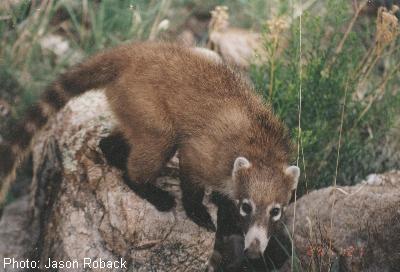
The White-nosed Coati (Nasua narica) is a medium-sized (85-113 cm [33.5-44.5 in]; 4–6 kg [9-13 lb]) Common Raccoon (Procyon lotor) relative native to the southwestern US, Mexico, Central America, and parts of South America. The White-nosed Coati is easily recognizable by its elongated snout and white facial markings. It occupies forests, woodlands, and scrublands. It is omnivorous and eat fruits, insects, small vertebrates, and eggs. The White-nosed Coati will experience a high degree of climate exposure and has a high adaptive capacity. Overall, it has a Climate Change Vulnerability I ranking of Less Vulnerable under both Representative Concentration Pathway (RCP) 4.5 and RCP 8.5 Scenarios. The White-nosed Coati’s climate change vulnerability is impacted by factors related to movement and life history, which influence its ability to shift in space and persist in place.
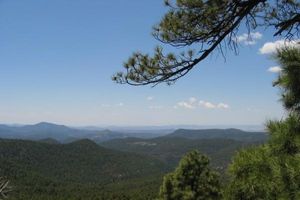
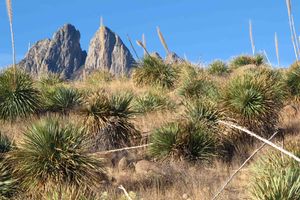
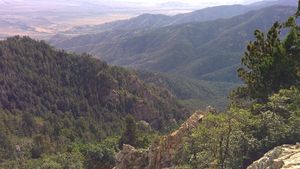
Ecoregions

Arizona/New Mexico Mountains
Chihuahuan Desert
Chihuahuan Desert
Madrean Archipelago
Madrean Archipelago

Habitats

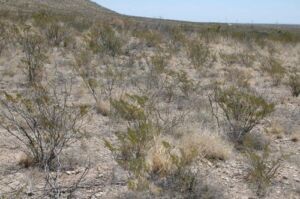
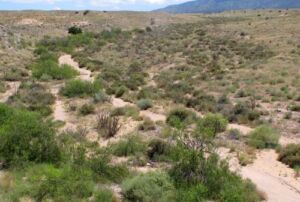
Chihuahuan Desert Scrub
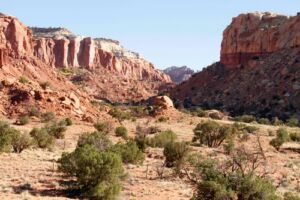
Colorado Plateau Piñon-Juniper Woodland
Madrean Lowland Evergreen Woodland
Madrean Montane Forest and Woodland
Rocky Mountain Lower Montane Forest
Southwest Lowland Riparian Forest
Southwest Lowland Riparian Shrubland
Warm Interior Chaparral
Warm-Desert Arroyo Riparian Scrub

Threats and Conservation Actions

Result for: All
Invasive and Other Problematic Species, Genes, and Diseases
As needed, gather additional information regarding the distribution of tamarisk (Tamarix spp.) and other exotic plants in riparian habitats (e.g., NHNM 2023). Determine the impact of exotic plants, and their removal and reduction, on SGCN and their habitats. Create and implement site-specific plans, with measurable goals and objectives, to restore the historic structure and composition of riparian habitats while minimizing negative impacts on SGCN and soil health (Wagner 2023). Prioritize removal of monoculture stands of non-native plants (e.g., Johnson et al. 2018) and ensure that sufficient native riparian vegetation is locally available to SGCN and that local hydrological conditions support native vegetation regrowth. Since pollinating insects may use exotic riparian plants (e.g., Pendleton et al. 2011), minimize impacts of removing these plants on pollinating insect SGCN, including by avoiding herbicide application when plants are in bloom and treating the focal area in stages. Include post-implementation monitoring and maintenance for all riparian restoration projects. Document and report restoration approaches used, including successes and failures (Shafroth et al. 2008, Sogge et al. 2013). Potential collaborators: BLM, BOR, NPS, NRCS, USACE, USFS, USFWS, NMDA, SFD, SLO, SWCDs, universities, non-profit organizations, private landowners.

Biological Resource Use Invasive and Other Problematic Species, Genes, and Diseases Residential and Commercial Development
Assess the synergistic effects between climate change and other threats to SGCN and their habitats (e.g., Friggens et al. 2019, Parks et al. 2019). Incorporate appropriate climate adaptation strategies and frameworks into projects designed to address these synergistic effects. This may include enhancing connectivity (CEQ 2023), facilitating a species’ innate adaptive capacity (Thurman et al. 2022), enhancing genetic diversity (Powell 2023), considering local adaptation (Meek et al. 2023), or considering whether it is most appropriate to resist, accept, or direct ecosystem transformation (Lynch et al. 2021, Stevens et al. 2021). Projects should acknowledge ecosystem dynamism and incorporate indigenous knowledge (e.g., Roos et al. 2022, Eisenberg et al. 2024), nature-based solutions (Warnell et al. 2023), and experimentation (Guiterman et al. 2022) when appropriate. Potential collaborators: BLM, NPS, USFS, USFWS, USGS, universities, Tribal natural-resource managers.

Biological Resource Use Invasive and Other Problematic Species, Genes, and Diseases Residential and Commercial Development
Assess the synergistic effects between climate change and other threats to SGCN and their habitats (e.g., Friggens et al. 2019, Parks et al. 2019). Incorporate appropriate climate adaptation strategies and frameworks into projects designed to address these synergistic effects. This may include enhancing connectivity (CEQ 2023), facilitating a species’ innate adaptive capacity (Thurman et al. 2022), enhancing genetic diversity (Powell 2023), considering local adaptation (Meek et al. 2023), or considering whether it is most appropriate to resist, accept, or direct ecosystem transformation (Lynch et al. 2021, Stevens et al. 2021). Projects should acknowledge ecosystem dynamism and incorporate indigenous knowledge (e.g., Roos et al. 2022, Eisenberg et al. 2024), nature-based solutions (Warnell et al. 2023), and experimentation (Guiterman et al. 2022) when appropriate. Potential collaborators: BLM, NPS, USFS, USFWS, USGS, universities, Tribal natural-resource managers.

Biological Resource Use Invasive and Other Problematic Species, Genes, and Diseases Residential and Commercial Development
Assess the synergistic effects between climate change and other threats to SGCN and their habitats (e.g., Friggens et al. 2019, Parks et al. 2019). Incorporate appropriate climate adaptation strategies and frameworks into projects designed to address these synergistic effects. This may include enhancing connectivity (CEQ 2023), facilitating a species’ innate adaptive capacity (Thurman et al. 2022), enhancing genetic diversity (Powell 2023), considering local adaptation (Meek et al. 2023), or considering whether it is most appropriate to resist, accept, or direct ecosystem transformation (Lynch et al. 2021, Stevens et al. 2021). Projects should acknowledge ecosystem dynamism and incorporate indigenous knowledge (e.g., Roos et al. 2022, Eisenberg et al. 2024), nature-based solutions (Warnell et al. 2023), and experimentation (Guiterman et al. 2022) when appropriate. Potential collaborators: BLM, NPS, USFS, USFWS, USGS, universities, Tribal natural-resource managers.

Biological Resource Use Invasive and Other Problematic Species, Genes, and Diseases Residential and Commercial Development
Collaborate with interested and willing land managers and private landowners to designate protected areas or implement conservation easements for lands that encompass important SGCN habitats. Potential collaborators: BLM, NPS, NRCS, USFS, USFWS, SLO, non-profit organizations, private landowners.

Biological Resource Use Invasive and Other Problematic Species, Genes, and Diseases Residential and Commercial Development
Collaborate with interested and willing land managers and private landowners to designate protected areas or implement conservation easements for lands that encompass important SGCN habitats. Potential collaborators: BLM, NPS, NRCS, USFS, USFWS, SLO, non-profit organizations, private landowners.

Biological Resource Use Invasive and Other Problematic Species, Genes, and Diseases Residential and Commercial Development
Collaborate with interested and willing land managers and private landowners to designate protected areas or implement conservation easements for lands that encompass important SGCN habitats. Potential collaborators: BLM, NPS, NRCS, USFS, USFWS, SLO, non-profit organizations, private landowners.

Invasive and Other Problematic Species, Genes, and Diseases
Consider the impact of honeybee (Apis spp.) apiaries on wildlands and restrict their placement in areas where native bee SGCN occur. Honeybees can pose a disease spillover risk for wild bees (Tehel et al. 2016). Potential collaborators: universities, non-profit organizations, private landowners.

Invasive and Other Problematic Species, Genes, and Diseases
Continue current efforts to prevent the infestation of aquatic habitats in New Mexico by zebra (Dreissena polymorpha) and quagga mussels (D. bugensis) and other aquatic invasive species. This includes informing anglers and boaters on the importance of not introducing invasive and other problematic species and providing them with information on how to prevent the spread of aquatic invasive species. Potential collaborators: BLM, BOR, USACE, USFS, NMED, NMSP, universities, non-profit organizations.

Invasive and Other Problematic Species, Genes, and Diseases
Design and implement protocols for early detection of invasive and problematic species, including feral ungulates, and diseases. Quickly respond to detection. Potential collaborators: BLM, NPS, NRCS, USFS, USFWS, NMDA, NMED, SLO, universities, private landowners.

Residential and Commercial Development
Determine distribution and habitat needs of SGCN that reside in (e.g., Boakes et al. 2024) or near urban areas. This includes initiation and promotion of citizen or community science activities that document SGCN and other wildlife in and around urban areas. Inform municipal staff of nearby SGCN and how to minimize development-related impacts to SGCN and their habitats. Encourage community or individual enrollment, as appropriate, in programs designed to benefit particular SGCN or taxa (e.g., Monarch City USA; https://www.monarchcityusa.com/) and in wildlife habitat certification programs (e.g., National Wildlife Federation; https://certifiedwildlifehabitat.nwf.org/; Albuquerque Backyard Refuge Program; https://friendsofvalledeoro.org/abq-backyard-refuge/).Potential collaborators: universities, municipalities, non-profit organizations, private landowners.

Biological Resource Use Invasive and Other Problematic Species, Genes, and Diseases Residential and Commercial Development
Determine life history needs, ecology, distribution, movements, status, and trends of and threats to SGCN (especially invertebrates that are not currently monitored, riparian-obligate species, herpetofauna [Pierce et al. 2016, Olson and Pilliod 2022], and rare native fishes) and their habitats. Consider full annual cycles for migratory species when appropriate and logistically feasible (KFF 2021) and interactions with lower trophic levels that may drive SGCN status (e.g., EPA 2023). Use this information to develop and implement effective monitoring protocols and conservation actions, including actions to mitigate identified threats. Potential collaborators: BLM, BOR, NPS, USFS, USFWS, SLO, universities, non-profit organizations, private industry, species working groups, Tribal natural-resource managers.

Biological Resource Use Invasive and Other Problematic Species, Genes, and Diseases Residential and Commercial Development
Determine life history needs, ecology, distribution, movements, status, and trends of and threats to SGCN (especially invertebrates that are not currently monitored, riparian-obligate species, herpetofauna [Pierce et al. 2016, Olson and Pilliod 2022], and rare native fishes) and their habitats. Consider full annual cycles for migratory species when appropriate and logistically feasible (KFF 2021) and interactions with lower trophic levels that may drive SGCN status (e.g., EPA 2023). Use this information to develop and implement effective monitoring protocols and conservation actions, including actions to mitigate identified threats. Potential collaborators: BLM, BOR, NPS, USFS, USFWS, SLO, universities, non-profit organizations, private industry, species working groups, Tribal natural-resource managers.

Biological Resource Use Invasive and Other Problematic Species, Genes, and Diseases Residential and Commercial Development
Determine life history needs, ecology, distribution, movements, status, and trends of and threats to SGCN (especially invertebrates that are not currently monitored, riparian-obligate species, herpetofauna [Pierce et al. 2016, Olson and Pilliod 2022], and rare native fishes) and their habitats. Consider full annual cycles for migratory species when appropriate and logistically feasible (KFF 2021) and interactions with lower trophic levels that may drive SGCN status (e.g., EPA 2023). Use this information to develop and implement effective monitoring protocols and conservation actions, including actions to mitigate identified threats. Potential collaborators: BLM, BOR, NPS, USFS, USFWS, SLO, universities, non-profit organizations, private industry, species working groups, Tribal natural-resource managers.

Biological Resource Use
Determine the distribution (historic, current, and future), composition, disturbance regimes, and function of piñon (Pinus spp.)-juniper (Juniperus spp.) woodlands and savannas needed by SGCN and SGCN prevalence in these habitats. Potential collaborators: BLM, NPS, USFS, USFWS, universities, private landowners, Tribal natural-resource managers.

Invasive and Other Problematic Species, Genes, and Diseases
Determine the distribution of all invasive and other problematic species, including feral ungulates (Beever 2003, Beschta et al. 2013, Sedinger et al. 2025), and diseases found in New Mexico, assess related threats to SGCN, and develop and implement strategies to address these threats, including eradicating existing populations of non-native and invasive and other problematic species when appropriate. When removing non-native vegetation, ensure that any SGCN that use this vegetation have suitable alternate habitat present (e.g., Sogge et al. 2013) and that site conditions support the restoration of native plants. If herbicide application cannot be avoided, limit impacts to pollinating insect SGCN by applying to smaller patches within the treatment area (e.g., Black et al. 2011) and spraying before target plants bloom (Hopwood et al. 2015). Potential collaborators: BLM, BOR, DOD, NPS, NRCS, USACE, USFS, USFWS, NMDA, NMED, SLO, universities, non-profit organizations, private landowners.

Biological Resource Use
Develop and implement strategies to sustainably harvest wood products while retaining pine (Pinus spp.)-oak (Quercus spp.) regeneration, old-growth trees, large diameter snags, and coarse woody debris at densities needed by SGCN. Potential collaborators: BLM, USFS, SFD, SLO, private landowners.

Invasive and Other Problematic Species, Genes, and Diseases
Develop strategies to prevent emerging diseases from getting into New Mexico and develop and implement strategies that will inhibit the spread of ones already present (e.g., Clemons et al. 2024). This includes working with land-management agencies to control human access for recreation or other purposes as needed (Reynolds and Barton 2013), educating the public about what they can do to mitigate disease spread (e.g., Olson and Pilliod 2022), implementing appropriate hygiene guidelines for field researchers (e.g., Shapiro et al. 2024), and incorporating principles related to the interconnectedness of humans with local flora, fauna, and the natural environment (i.e., One Health) (AFWA 2023). Potential collaborators: BLM, NPS, USFS, NMED, SLO, universities.

Biological Resource Use
Enforce laws that protect SGCN populations that are often collected illegally, especially reptiles and amphibians. Longer-lived species, such as turtles, may be especially threatened by over-collection (Fitzgerald et al. 2004). Potential collaborators: BLM, DOD, NPS, USFS, USFWS, SLO.

Biological Resource Use Invasive and Other Problematic Species, Genes, and Diseases Residential and Commercial Development
Evaluate the effectiveness of public education and outreach efforts regarding threats to SGCN and their habitats and the ways that the public can assist in threat mitigation (KFF 2021). Modify outreach activities as needed in response to evaluation outcomes. Potential collaborators: BLM, BOR, NPS, USACE, USFS, USFWS, USGS, NMED, NMSP, SFD, SLO, universities, local governments, municipalities, non-profit organizations.

Biological Resource Use Invasive and Other Problematic Species, Genes, and Diseases Residential and Commercial Development
Evaluate the effectiveness of public education and outreach efforts regarding threats to SGCN and their habitats and the ways that the public can assist in threat mitigation (KFF 2021). Modify outreach activities as needed in response to evaluation outcomes. Potential collaborators: BLM, BOR, NPS, USACE, USFS, USFWS, USGS, NMED, NMSP, SFD, SLO, universities, local governments, municipalities, non-profit organizations.

Biological Resource Use Invasive and Other Problematic Species, Genes, and Diseases Residential and Commercial Development
Evaluate the effectiveness of public education and outreach efforts regarding threats to SGCN and their habitats and the ways that the public can assist in threat mitigation (KFF 2021). Modify outreach activities as needed in response to evaluation outcomes. Potential collaborators: BLM, BOR, NPS, USACE, USFS, USFWS, USGS, NMED, NMSP, SFD, SLO, universities, local governments, municipalities, non-profit organizations.

Invasive and Other Problematic Species, Genes, and Diseases
Identify historic and current SGCN habitats infested with cheatgrass (Bromus tectorum). Work with landowners and land-management agencies to restore these areas to native vegetation. Promote land-management strategies that will inhibit the further spread of cheatgrass. Potential collaborators: BLM, USFS, SLO, private landowners, Tribal natural-resource managers.

Biological Resource Use Invasive and Other Problematic Species, Genes, and Diseases Residential and Commercial Development
Identify or develop an accessible, jointly used database to document the status and condition of, threats to, and conservation actions implemented across aquatic, riparian, and upland habitats. Identify data gaps (e.g., Ganey et al. 2017) and implement standardized methods to gather habitat data (e.g., Vollmer et al. 2018, Shirk et al. 2023) and to monitor the success of conservation actions (e.g., Davis and Pinto 2021), including impacts on local SGCN populations. Synthesize existing information (e.g., Jain et al. 2021) and apply modeling techniques to aid in evaluating success when appropriate (e.g., Parks et al. 2018). Adjust future conservation actions as needed based on observed outcomes. Potential collaborators: BLM, BOR, NPS, USACE, USFS, USFWS, USGS, NMED, SFD, SLO, universities.

Biological Resource Use Invasive and Other Problematic Species, Genes, and Diseases Residential and Commercial Development
Identify or develop an accessible, jointly used database to document the status and condition of, threats to, and conservation actions implemented across aquatic, riparian, and upland habitats. Identify data gaps (e.g., Ganey et al. 2017) and implement standardized methods to gather habitat data (e.g., Vollmer et al. 2018, Shirk et al. 2023) and to monitor the success of conservation actions (e.g., Davis and Pinto 2021), including impacts on local SGCN populations. Synthesize existing information (e.g., Jain et al. 2021) and apply modeling techniques to aid in evaluating success when appropriate (e.g., Parks et al. 2018). Adjust future conservation actions as needed based on observed outcomes. Potential collaborators: BLM, BOR, NPS, USACE, USFS, USFWS, USGS, NMED, SFD, SLO, universities.

Biological Resource Use Invasive and Other Problematic Species, Genes, and Diseases Residential and Commercial Development
Identify or develop an accessible, jointly used database to document the status and condition of, threats to, and conservation actions implemented across aquatic, riparian, and upland habitats. Identify data gaps (e.g., Ganey et al. 2017) and implement standardized methods to gather habitat data (e.g., Vollmer et al. 2018, Shirk et al. 2023) and to monitor the success of conservation actions (e.g., Davis and Pinto 2021), including impacts on local SGCN populations. Synthesize existing information (e.g., Jain et al. 2021) and apply modeling techniques to aid in evaluating success when appropriate (e.g., Parks et al. 2018). Adjust future conservation actions as needed based on observed outcomes. Potential collaborators: BLM, BOR, NPS, USACE, USFS, USFWS, USGS, NMED, SFD, SLO, universities.

Biological Resource Use
Inform natural-resource law enforcement staff of the distribution, life history, and habitat needs of SGCN. Partner with them to enforce laws to protect SGCN populations and habitats. Potential collaborators: BLM, NPS, USFS, USFWS.

Invasive and Other Problematic Species, Genes, and Diseases
Investigate and monitor black-tailed prairie dog (Cynomys ludovicianus) population distribution, density, and abundance (Facka et al. 2008). Evaluate factors influencing the spread of plague (George et al. 2013), the ecological consequences of control efforts (Miller et al. 2007), and the potential for emerging plague vaccine application. Potential collaborators: BLM, DOD, USFWS, SLO, non-profit organizations, private landowners. Ecoregions: HPT, CD

Residential and Commercial Development
Investigate the potential impacts of current and future development on SGCN and their habitats and identify ways to mitigate those impacts. This includes working with municipalities to stay informed about new developments and initiate policies that will minimize negative impacts of future developments on SGCN. This also includes promoting the development of green spaces and green infrastructure in urban areas that, where appropriate, provide habitat and resources to SGCN (Gallo et al. 2017; Threlfall et al. 2017), including pollinators (Fukase and Simons 2016; Majewska and Altizer 2020). Potential collaborators: NMDOT, universities, local governments, municipalities, non-profit organizations, private landowners. Ecoregions: CP, SRM, CD

Residential and Commercial Development
Participate in public-involvement opportunities when proposed developments might threaten the persistence of SGCN and their habitats. Potential collaborators: non-profit organizations, private landowners.

Invasive and Other Problematic Species, Genes, and Diseases
Proactively restore native riparian vegetation in areas likely to be most altered by the tamarisk beetle (Diorhabda spp.; i.e., large tamarisk monocultures [Johnson et al. 2018] in river systems where the hydrology has been highly altered). Protect and sustain existing stands of native riparian vegetation that may serve as important refugia in areas currently or likely to be affected by the tamarisk beetle (Paxton et al. 2011, Sogge et al. 2013). Potential collaborators: BLM, BOR, USACE, USFS, NMED, SLO, universities, non-profit organizations, private landowners.

Residential and Commercial Development
Reduce impacts of housing developments by establishing development standards that ensure habitat integrity and functionality while minimizing wildfire threats to private residences in the wildland-urban interface. Potential collaborators: local governments, municipalities.

Invasive and Other Problematic Species, Genes, and Diseases
Restore native riparian plants (e.g., cottonwood and willow [Salix spp.]) and natural riparian ecosystem processes and functions following the removal or biocontrol of tamarisk and other non-native plants. Ensure maintenance of adequate water supply for native plants. At sites with low water availability, restoration of native xeric plants may be more appropriate than hydroriparian and wetland plants. Stage and balance non-native plant removal and native habitat restoration over time, to avoid rapid loss of exotic woody riparian habitats for wildlife until native habitats can be developed (Sogge et al. 2013), and minimize herbicide use. Potential collaborators: BLM, BOR, NPS, USACE, USFS, USFWS, NMED, SLO, universities, non-profit organizations, private landowners, Tribal natural-resource managers.

Biological Resource Use
Support programs that educate the public about the importance of not illegally collecting or harassing SGCN, especially reptiles and amphibians (Pierce et al 2016). Potential collaborators: BLM, DOD, NPS, USFS, USFWS, SLO.

Residential and Commercial Development
Where appropriate, incorporate native, pollinator-friendly plants (Glenny et al. 2022) or native plants adapted to projected future climatic conditions at the restoration site (e.g., Meek et al. 2023, Stanturf et al. 2024) into seed mixes and live plantings used in the restoration of lands affected by grazing, fire, resource extraction, energy development, or urban development. Consider reclamation site conditions, genetic diversity, and resilience to local threats when producing seedlings (Davis and Pinto 2021) and consider appropriate climate analogs when identifying appropriate seed sources (e.g., Richardson et al. 2024). When focused on benefiting pollinators, prioritize plants that are attractive to pollinators, especially SGCN; support pollinators throughout the growing season (Glenny et al. 2023); provide food for caterpillars of insect SGCN (e.g., Dumroese et al. 2016); and produce pollen with high nutritional diversity (Vaudo et al. 2024). Potential collaborators: BLM, NPS, NRCS, USFS, SFD, SLO, energy and mining companies, non-profit organizations, private landowners, Tribal natural-resource managers.

Invasive and Other Problematic Species, Genes, and Diseases
Where feasible, reestablish native aquatic communities in perennial streams and restored aquatic habitats. Potential collaborators: BLM, BOR, NPS, USACE, USFWS, USFS, NMED, SLO, non-profit organizations, private landowners.

Invasive and Other Problematic Species, Genes, and Diseases
Work with appropriate agencies to enforce regulations to prevent the introduction and spread of non-native species. Potential collaborators: USFWS, NMDA.

Biological Resource Use
Work with landowners and land-management agencies to use forests, woodlands (including piñon-juniper woodlands), and savannas in a manner that maintains healthy, and returns degraded, vegetation to an improved composition and function for SGCN, while protecting grassland communities surrounding piñon-juniper woodlands from woody plant invasion. Potential collaborators: BLM, DOD, NPS, USFS, SFD, SLO, private landowners.

Related Resources

  • Species of Greatest Conservation Need Chapter in SWAP document
Natural Heritage New Mexico
  • Contact Us
  • Our Mission
  • Work With Us
  • Operation Game Thief
  • Contact Us
  • Our Mission
  • Work With Us
  • Operation Game Thief

©2026 • New Mexico State Wildlife Action Plan • All Rights Reserved • Website by Delta Systems

Page load link
Go to Top