
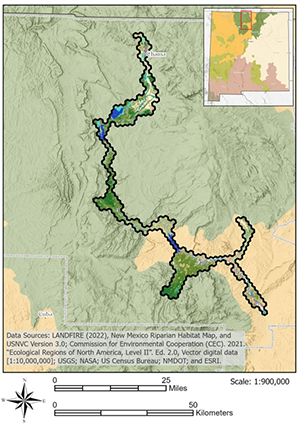
The Rio Chama COA covers approximately 67,316 ha (166,342 ac) along the Rio Chama corridor, including the surrounding upland areas. It extends from the confluence of the Rio Grande near Española to Chama. The COA also encompasses the lower reaches of Cañones, El Rito, and Polvadera Creeks and all three major reservoirs along the Rio Chama: Abiquiu, El Vado, and Heron.
Land ownership within this COA is primarily divided between private ownership (40%) and the USFS (33%). Other land managers include NMSP (7%), Tribal lands (7%), the BLM (7%), the Department (5%), the US Department of Defense (1%), and the SLO (0.5%). This COA also includes the Chama River Gorge and Golondrina Mesa Important Bird Area. About 29% of the COA is currently protected.
The COA supports 18 native vegetation habitats, two ruderal or introduced vegetation types, and agricultural vegetation, barren areas, developed and urban spaces, and open water. The dominant habitats include Intermountain Tall Sagebrush Shrubland (19%), Rocky Mountain Piñon-Juniper Woodland (16%), and Rocky Mountain Lower Montane Forest (14%). The vegetated riparian corridor consists mainly of Montane-Subalpine Wet Shrubland and Wet Meadow (3%), Southwest Lowland Riparian Forest (2%), and Rocky Mountain Montane Riparian Forest (2%). Perennial aquatic habitats within the COA include 59 km (37 mi) of warm-water streams, 221 km (138 mi) of cold-water streams, 560 ha (1,383 ac) of warm-water reservoirs, and 2,535 ha (6,264 ac) of cold-water reservoirs.
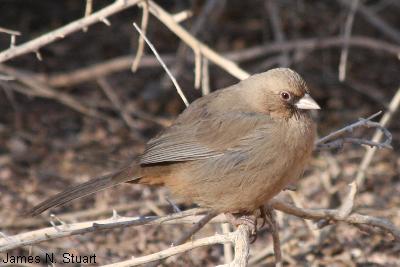
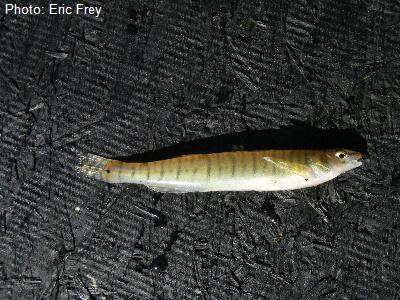
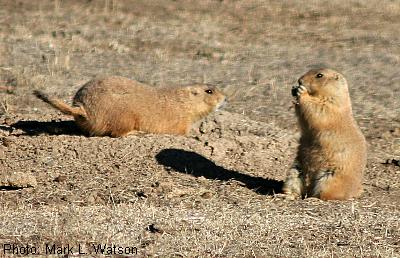
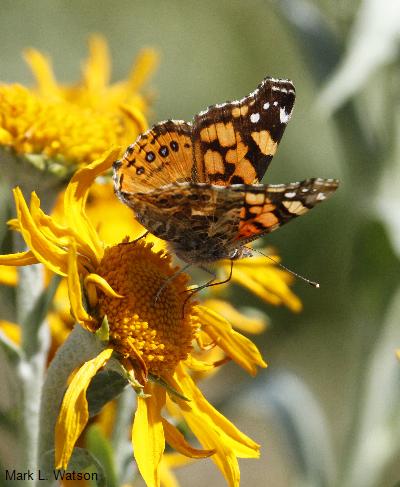
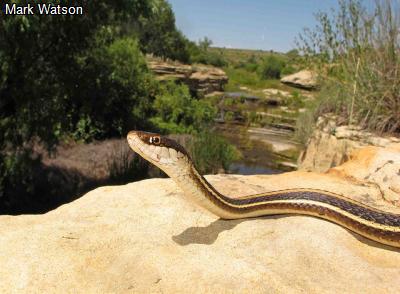
A total of 52 SGCN are found (either observed or with potential habitat) within the COA, including 11 classified as Conservation Impact Species (I) and 11 as Current Focal Species (F). Northern and central portions of this COA may represent a climate refugia for the gray vireo (Vireo vicinior) through 2075, and areas within and to the north and west of this COA may become suitable for this species over the next 50 years (NHNM 2024). This COA also has high potential to contain microclimate refugia for birds in general and mammals and some potential to contain microclimate refugia for amphibians and cold-water fish and macroclimate refugia for aquatic and terrestrial species.
Habitat Name
Habitat Size in Hectares
Agricultural Vegetation
5281
Arid West Interior Freshwater Emergent Marsh
49
Barren
270
Cliff, Scree, and Rock Vegetation
310
Colorado Plateau Cool Semi-Desert Ruderal Grassland
141
Colorado Plateau Piñon-Juniper Woodland
5165
Desert Alkali-Saline Wetland
634
Developed and Urban
3373
Intermountain Arroyo Riparian Scrub
165
Intermountain Dry Shrubland and Grassland
5293
Intermountain Dwarf Sagebrush Shrubland
358
Intermountain Saltbush Shrubland
902
Intermountain Tall Sagebrush Shrubland
12515
Introduced Riparian Vegetation
661
Montane-Subalpine Wet Shrubland and Wet Meadow
2249
Open Water
3353
Rocky Mountain Lower Montane Forest
9586
Rocky Mountain Montane Riparian Forest
1285
Rocky Mountain Montane Shrubland
1769
Rocky Mountain Piñon-Juniper Woodland
10537
Rocky Mountain Subalpine-High Montane Conifer Forest
62
Rocky Mountain Subalpine-Montane Meadow and Grassland
1825
Southwest Lowland Riparian Forest
1499
Southwest Lowland Riparian Shrubland
78
Species (SGCN)