

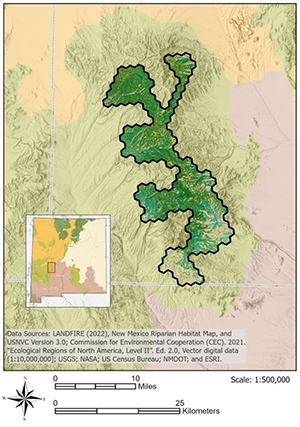
The San Mateo Mountains COA spans approximately 40,942 ha (101,168 ac) and is located about 64 km (40 mi) southwest of Socorro. It encompasses the higher elevations of the San Mateo Mountains and extends from north to south.
Nearly the entire COA is managed by the USFS (99%); just 1% is privately owned. Approximately 60% of the COA is currently protected.
The COA supports 20 native vegetation habitats, three ruderal or introduced vegetation types, and developed and urban spaces and open water. The dominant habitats are Rocky Mountain Lower Montane Forest (33%), Colorado Plateau Piñon-Juniper Woodland (22%), and Madrean Lowland Evergreen Woodland (12%).
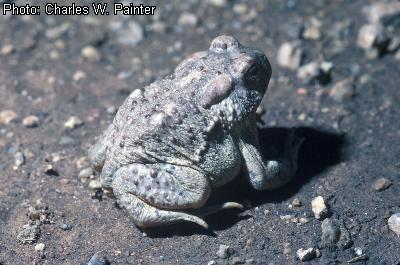
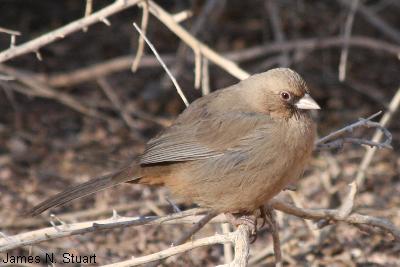
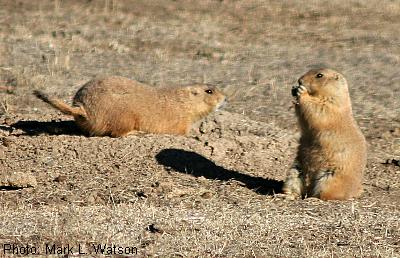
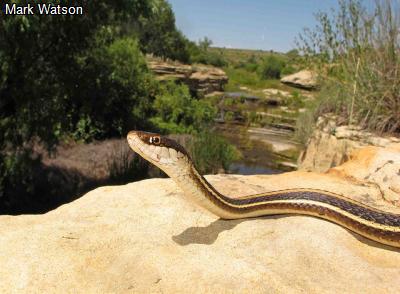
A total of 43 SGCN are found (either observed or with potential habitat) within the COA, including 11 classified as Conservation Impact Species (I) and seven as Current Focal Species (F). This COA has high potential to contain microclimate refugia for birds and mammals and some potential to contain microclimate refugia for amphibians and macroclimate refugia for terrestrial species.
Habitat Name
Habitat Size in Hectares
Arid West Interior Freshwater Emergent Marsh
6
Chihuahuan Ruderal Grassland
8
Chihuahuan Semi-Desert Grassland
1726
Cliff, Scree, and Rock Vegetation
2578
Colorado Plateau Cool Semi-Desert Ruderal Grassland
83
Colorado Plateau Piñon-Juniper Woodland
8961
Desert Alkali-Saline Wetland
0.1
Developed and Urban
75
Intermountain Dry Shrubland and Grassland
2344
Intermountain Saltbush Shrubland
13
Intermountain Tall Sagebrush Shrubland
201
Introduced Riparian Vegetation
5
Madrean Lowland Evergreen Woodland
5072
Madrean Montane Forest and Woodland
2505
Montane-Subalpine Wet Shrubland and Wet Meadow
18
Open Water
6
Rocky Mountain Lower Montane Forest
13443
Rocky Mountain Montane Riparian Forest
306
Rocky Mountain Montane Shrubland
1661
Rocky Mountain Subalpine-High Montane Conifer Forest
628
Rocky Mountain Subalpine-Montane Meadow and Grassland
185
Southwest Lowland Riparian Forest
58
Southwest Lowland Riparian Shrubland
1
Warm Interior Chaparral
1036
Warm-Desert Arroyo Riparian Scrub
5
Species (SGCN)