
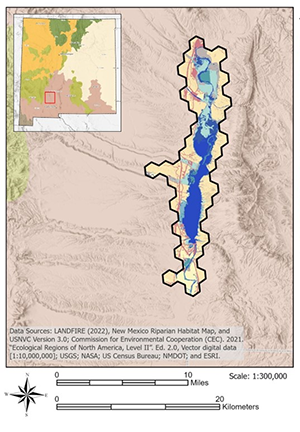
The Lower Rio Grande – Caballo Reservoir COA covers approximately 13,732 ha (33,931 ac). It extends along the lower Rio Grande corridor from Williamsburg to Arrey and includes Caballo Reservoir.
The highest percentage of the land (~50%) in this COA is managed by NMSP, followed by 24% managed by the BLM. Approximately 21.5% is privately owned, and the SLO manages 4.5%. A very small portion (<0.5%) is managed by the BOR. This COA includes the Percha State Park/Caballo Lake State Park/Las Palomas Important Bird Area. Currently, none of this COA is protected.
The COA supports 10 native vegetation habitats, two ruderal or introduced vegetation types, and agricultural lands, developed and urban spaces, and open water. The dominant habitat is Chihuahuan Desert Scrub (40%). In the riparian zone, Desert Alkali-Saline Wetland (9%), Warm-Desert Arroyo Riparian Scrub (7%), and Introduced Riparian Vegetation (6%) are the most prevalent. Perennial aquatic habitats include 30 km (19 mi) of warm-water streams, 5 km (3 mi) of cold-water streams, and 1,652 ha (4,082 ac) of warm-water reservoirs.
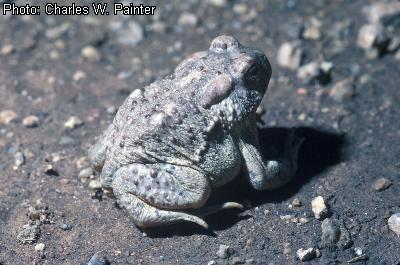
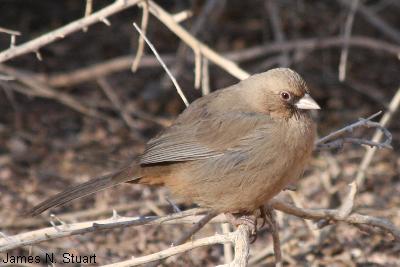
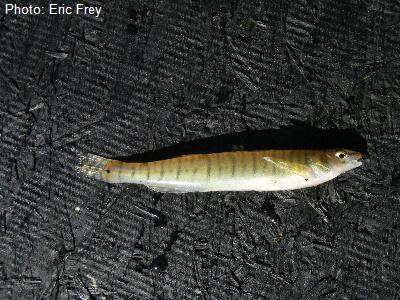
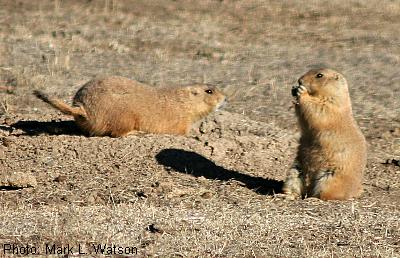
A total of 39 SGCN are found (either observed or with potential habitat) within the COA, including seven classified as Conservation Impact Species (I) and nine as Current Focal Species (F). This COA has high potential to contain microclimate refugia for amphibians and reptiles.
Habitat Name
Habitat Size in Hectares
Agricultural Vegetation
791
Arid West Interior Freshwater Emergent Marsh
1
Chihuahuan Desert Scrub
5555
Chihuahuan Ruderal Grassland
42
Chihuahuan Semi-Desert Grassland
446
Cliff, Scree, and Rock Vegetation
3
Desert Alkali-Saline Wetland
1249
Developed and Urban
1035
Introduced Riparian Vegetation
892
Madrean Lowland Evergreen Woodland
5
Open Water
2012
Southwest Lowland Riparian Forest
404
Southwest Lowland Riparian Shrubland
390
Warm Interior Chaparral
0.5
Warm-Desert Arroyo Riparian Scrub
895
Species (SGCN)