

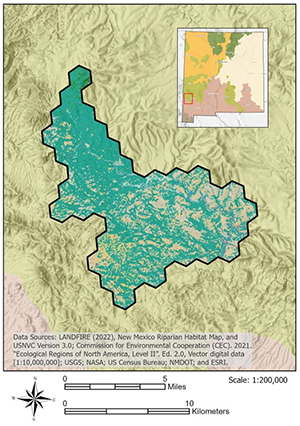
The Apache Box COA spans approximately 14,021 ha (34,647 ac) in southwestern New Mexico and is located north of Verdin and the lower Gila River, west of Cliff, and at the southern tip of the Gila National Forest. This COA includes parts of the Apache Box Wilderness Study Area.
The majority (~63%) of the land in this COA is privately owned, with 15% managed by the BLM, 10.5% by the USFS, and 11.5% by the SLO. Approximately 15% of this COA is currently protected.
The COA supports 14 native vegetation habitats, two ruderal or introduced vegetation types, and agricultural vegetation and developed and urban areas. The dominant habitats are Madrean Lowland Evergreen Woodland (61%) and Chihuahuan Semi-Desert Grassland (16%). Perennial aquatic habitats include 38 km (24 mi) of warm-water streams.
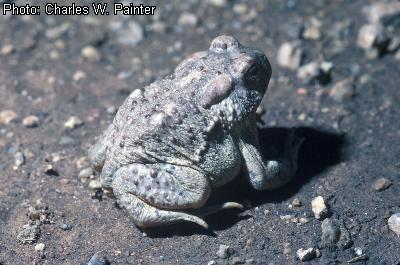
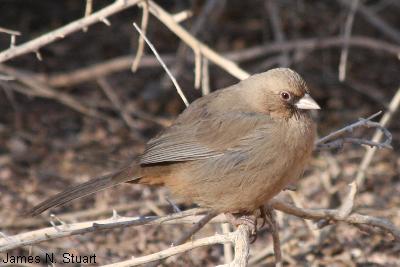
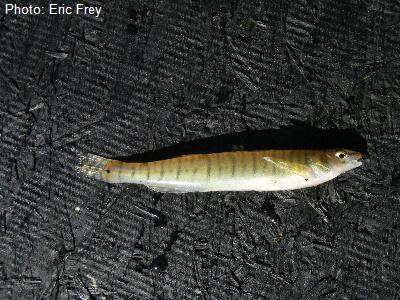
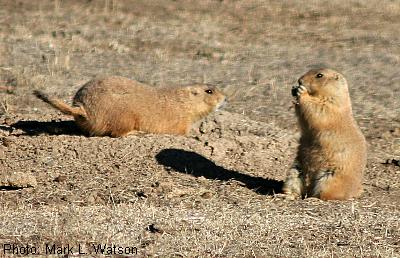
A total of 41 SGCN are found (either observed or with potential habitat) within the COA, including 10 classified as Conservation Impact Species (I) and eight as Current Focal Species (F). Much of this COA, and surrounding areas, may represent a climate refugia for the banded rock rattlesnake (Crotalus lepidus klauberi) through 2075 or may become suitable for this species over the same timeframe (NHNM 2024). This COA has very high potential to contain macroclimate refugia for terrestrial species in general and some potential to contain microclimate refugia for mammals.
Habitat Name
Habitat Size in Hectares
Agricultural Vegetation
0.5
Arid West Interior Freshwater Emergent Marsh
1
Chihuahuan Ruderal Grassland
36
Chihuahuan Semi-Desert Grassland
2281
Cliff, Scree, and Rock Vegetation
1395
Desert Alkali-Saline Wetland
121
Developed and Urban
2
Introduced Riparian Vegetation
3
Madrean Lowland Evergreen Woodland
8587
Madrean Montane Forest and Woodland
131
Montane-Subalpine Wet Shrubland and Wet Meadow
0.3
Rocky Mountain Lower Montane Forest
84
Rocky Mountain Montane Riparian Forest
2
Rocky Mountain Montane Shrubland
4
Southwest Lowland Riparian Forest
347
Southwest Lowland Riparian Shrubland
0.2
Warm Interior Chaparral
968
Warm-Desert Arroyo Riparian Scrub
24
Species (SGCN)