
|
SWAP Habitat
|
|
Intermountain Saltbush Shrubland
|
|
NVC Name
|
|
SWAP General Vegetation Type
|
|
DESERT GRASSLAND and SCRUB
|
|
Habitat Size
|
|
3540 square miles
|
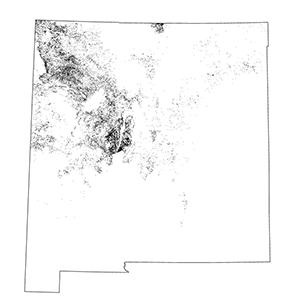
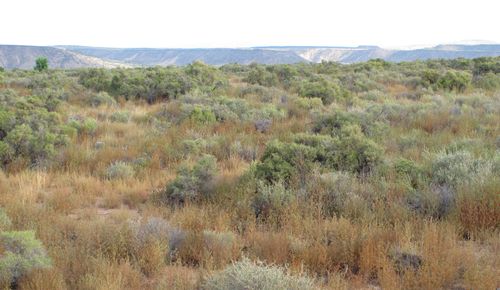
The Intermountain Saltbrush Shrubland [M093] occurs at 1,520–2,200 m (4,985–7,220 ft) elevation in the Colorado Plateaus ecoregion but extends southward into the Arizona/New Mexico Mountains and High Plains and Tablelands ecoregions. It is common in lowland valleys and on rolling hills and mesas.
- This shrubland is characterized by an open-to-moderately dense shrub cover dominated by saltbushes that may include fourwing saltbush (Atriplex canescens), shadscale saltbush (A. confertifolia), valley saltbush (A. cuneata), mat saltbush (A. corrugata), and mound saltbush (A. obovata).
- The herbaceous layer, including forb cover, is most often sparse, but occasionally grasses can be well represented, forming a shrub steppe. The common perennial grasses include Indian ricegrass (Achnatherum hymenoides), blue grama (Bouteloua gracilis), saltgrass (Distichlis spicata), needle and thread grass (Hesperostipa comata), western wheatgrass (Pascopyrum smithii), and alkali sacaton (Sporobolus airoides). Introduced annual cheatgrass (Bromus tectorum) can be prevalent in some years.
- This widespread habitat can be found in a variety of environments including on valley bottoms, alluvial and alkaline flats, mesas and plateaus, and drainage terraces, and in washes, playas, and interdune basins. Substrates are typically saline, alkaline, fine-textured soils developed from shale or alluvium. Infiltration rates are typically low. Soils are shallow to moderately deep but poorly developed in New Mexico’s semi-arid climate. The soil surface is often barren, although, in less disturbed areas, interspaces between the shrubs and grass clusters are commonly covered by a microphytic crust.
Species
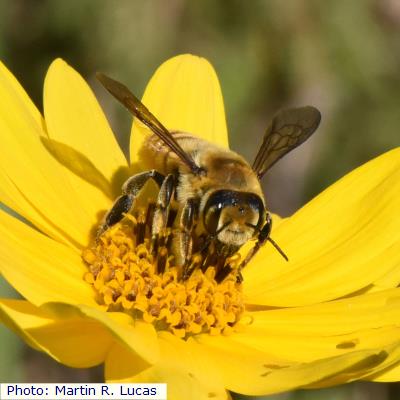
Bees
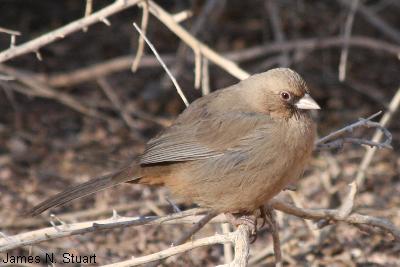
Birds
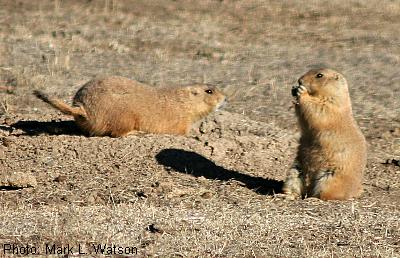
Mammals
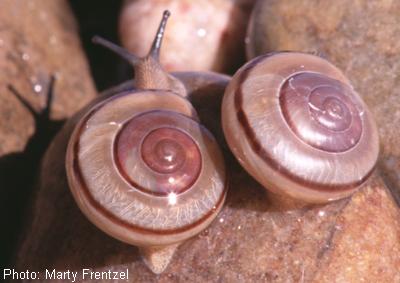
Molluscs
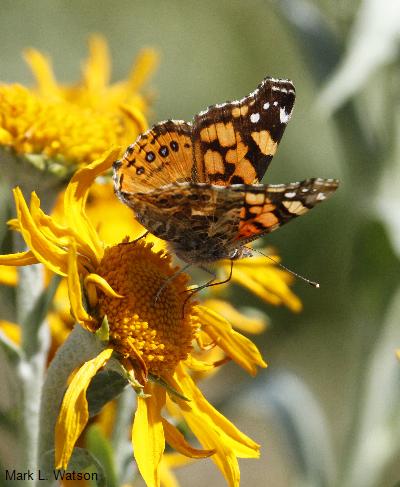
Moths and Butterflies
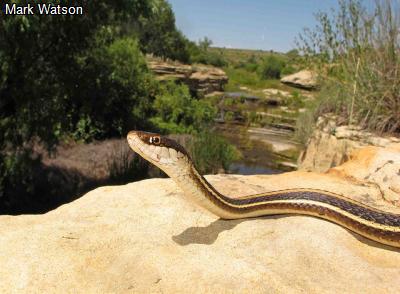
Reptiles
SGCN Amphibians in the Intermountain Saltbush Shrubland
This Species needs a photo.
If you have one you would like to provide, please email it to virginia.seamster@dgf.nm.gov.
Include the species name, your name and organization for the photo credit.
Thank you!
This Species needs a photo.
If you have one you would like to provide, please email it to virginia.seamster@dgf.nm.gov.
Include the species name, your name and organization for the photo credit.
Thank you!
This Species needs a photo.
If you have one you would like to provide, please email it to virginia.seamster@dgf.nm.gov.
Include the species name, your name and organization for the photo credit.
Thank you!
This Species needs a photo.
If you have one you would like to provide, please email it to virginia.seamster@dgf.nm.gov.
Include the species name, your name and organization for the photo credit.
Thank you!
This Species needs a photo.
If you have one you would like to provide, please email it to virginia.seamster@dgf.nm.gov.
Include the species name, your name and organization for the photo credit.
Thank you!
Threats and Conservation Actions
Result for:
All
Invasive and Other Problematic Species, Genes, and Diseases
As needed, gather additional information regarding the distribution of tamarisk (Tamarix spp.) and other exotic plants in riparian habitats (e.g., NHNM 2023). Determine the impact of exotic plants, and their removal and reduction, on SGCN and their habitats. Create and implement site-specific plans, with measurable goals and objectives, to restore the historic structure and composition of riparian habitats while minimizing negative impacts on SGCN and soil health (Wagner 2023). Prioritize removal of monoculture stands of non-native plants (e.g., Johnson et al. 2018) and ensure that sufficient native riparian vegetation is locally available to SGCN and that local hydrological conditions support native vegetation regrowth. Since pollinating insects may use exotic riparian plants (e.g., Pendleton et al. 2011), minimize impacts of removing these plants on pollinating insect SGCN, including by avoiding herbicide application when plants are in bloom and treating the focal area in stages. Include post-implementation monitoring and maintenance for all riparian restoration projects. Document and report restoration approaches used, including successes and failures (Shafroth et al. 2008, Sogge et al. 2013). Potential collaborators: BLM, BOR, NPS, NRCS, USACE, USFS, USFWS, NMDA, SFD, SLO, SWCDs, universities, non-profit organizations, private landowners.
Agriculture and Aquaculture
Climate Change and Severe Weather
Human Intrusions and Disturbance
Invasive and Other Problematic Species, Genes, and Diseases
Pollution
Assess the synergistic effects between climate change and other threats to SGCN and their habitats (e.g., Friggens et al. 2019, Parks et al. 2019). Incorporate appropriate climate adaptation strategies and frameworks into projects designed to address these synergistic effects. This may include enhancing connectivity (CEQ 2023), facilitating a species’ innate adaptive capacity (Thurman et al. 2022), enhancing genetic diversity (Powell 2023), considering local adaptation (Meek et al. 2023), or considering whether it is most appropriate to resist, accept, or direct ecosystem transformation (Lynch et al. 2021, Stevens et al. 2021). Projects should acknowledge ecosystem dynamism and incorporate indigenous knowledge (e.g., Roos et al. 2022, Eisenberg et al. 2024), nature-based solutions (Warnell et al. 2023), and experimentation (Guiterman et al. 2022) when appropriate. Potential collaborators: BLM, NPS, USFS, USFWS, USGS, universities, Tribal natural-resource managers.
Agriculture and Aquaculture
Climate Change and Severe Weather
Human Intrusions and Disturbance
Invasive and Other Problematic Species, Genes, and Diseases
Pollution
Assess the synergistic effects between climate change and other threats to SGCN and their habitats (e.g., Friggens et al. 2019, Parks et al. 2019). Incorporate appropriate climate adaptation strategies and frameworks into projects designed to address these synergistic effects. This may include enhancing connectivity (CEQ 2023), facilitating a species’ innate adaptive capacity (Thurman et al. 2022), enhancing genetic diversity (Powell 2023), considering local adaptation (Meek et al. 2023), or considering whether it is most appropriate to resist, accept, or direct ecosystem transformation (Lynch et al. 2021, Stevens et al. 2021). Projects should acknowledge ecosystem dynamism and incorporate indigenous knowledge (e.g., Roos et al. 2022, Eisenberg et al. 2024), nature-based solutions (Warnell et al. 2023), and experimentation (Guiterman et al. 2022) when appropriate. Potential collaborators: BLM, NPS, USFS, USFWS, USGS, universities, Tribal natural-resource managers.
Agriculture and Aquaculture
Climate Change and Severe Weather
Human Intrusions and Disturbance
Invasive and Other Problematic Species, Genes, and Diseases
Pollution
Assess the synergistic effects between climate change and other threats to SGCN and their habitats (e.g., Friggens et al. 2019, Parks et al. 2019). Incorporate appropriate climate adaptation strategies and frameworks into projects designed to address these synergistic effects. This may include enhancing connectivity (CEQ 2023), facilitating a species’ innate adaptive capacity (Thurman et al. 2022), enhancing genetic diversity (Powell 2023), considering local adaptation (Meek et al. 2023), or considering whether it is most appropriate to resist, accept, or direct ecosystem transformation (Lynch et al. 2021, Stevens et al. 2021). Projects should acknowledge ecosystem dynamism and incorporate indigenous knowledge (e.g., Roos et al. 2022, Eisenberg et al. 2024), nature-based solutions (Warnell et al. 2023), and experimentation (Guiterman et al. 2022) when appropriate. Potential collaborators: BLM, NPS, USFS, USFWS, USGS, universities, Tribal natural-resource managers.
Agriculture and Aquaculture
Climate Change and Severe Weather
Human Intrusions and Disturbance
Invasive and Other Problematic Species, Genes, and Diseases
Pollution
Assess the synergistic effects between climate change and other threats to SGCN and their habitats (e.g., Friggens et al. 2019, Parks et al. 2019). Incorporate appropriate climate adaptation strategies and frameworks into projects designed to address these synergistic effects. This may include enhancing connectivity (CEQ 2023), facilitating a species’ innate adaptive capacity (Thurman et al. 2022), enhancing genetic diversity (Powell 2023), considering local adaptation (Meek et al. 2023), or considering whether it is most appropriate to resist, accept, or direct ecosystem transformation (Lynch et al. 2021, Stevens et al. 2021). Projects should acknowledge ecosystem dynamism and incorporate indigenous knowledge (e.g., Roos et al. 2022, Eisenberg et al. 2024), nature-based solutions (Warnell et al. 2023), and experimentation (Guiterman et al. 2022) when appropriate. Potential collaborators: BLM, NPS, USFS, USFWS, USGS, universities, Tribal natural-resource managers.
Agriculture and Aquaculture
Climate Change and Severe Weather
Human Intrusions and Disturbance
Invasive and Other Problematic Species, Genes, and Diseases
Pollution
Assess the synergistic effects between climate change and other threats to SGCN and their habitats (e.g., Friggens et al. 2019, Parks et al. 2019). Incorporate appropriate climate adaptation strategies and frameworks into projects designed to address these synergistic effects. This may include enhancing connectivity (CEQ 2023), facilitating a species’ innate adaptive capacity (Thurman et al. 2022), enhancing genetic diversity (Powell 2023), considering local adaptation (Meek et al. 2023), or considering whether it is most appropriate to resist, accept, or direct ecosystem transformation (Lynch et al. 2021, Stevens et al. 2021). Projects should acknowledge ecosystem dynamism and incorporate indigenous knowledge (e.g., Roos et al. 2022, Eisenberg et al. 2024), nature-based solutions (Warnell et al. 2023), and experimentation (Guiterman et al. 2022) when appropriate. Potential collaborators: BLM, NPS, USFS, USFWS, USGS, universities, Tribal natural-resource managers.
Agriculture and Aquaculture
Balance irrigation and groundwater demands with the needs of aquatic communities, particularly those supporting native fish, amphibian, and springsnail populations. This may include promoting a transition from irrigated to dryland farming in areas where groundwater pumping and water scarcity threaten SGCN and their habitats. Potential collaborators: BOR, NRCS, USACE, NMOSE, non-profit organizations, private landowners, Tribal natural-resource managers, water-management districts.
Agriculture and Aquaculture
Climate Change and Severe Weather
Human Intrusions and Disturbance
Invasive and Other Problematic Species, Genes, and Diseases
Pollution
Collaborate with interested and willing land managers and private landowners to designate protected areas or implement conservation easements for lands that encompass important SGCN habitats. Potential collaborators: BLM, NPS, NRCS, USFS, USFWS, SLO, non-profit organizations, private landowners.
Agriculture and Aquaculture
Climate Change and Severe Weather
Human Intrusions and Disturbance
Invasive and Other Problematic Species, Genes, and Diseases
Pollution
Collaborate with interested and willing land managers and private landowners to designate protected areas or implement conservation easements for lands that encompass important SGCN habitats. Potential collaborators: BLM, NPS, NRCS, USFS, USFWS, SLO, non-profit organizations, private landowners.
Agriculture and Aquaculture
Climate Change and Severe Weather
Human Intrusions and Disturbance
Invasive and Other Problematic Species, Genes, and Diseases
Pollution
Collaborate with interested and willing land managers and private landowners to designate protected areas or implement conservation easements for lands that encompass important SGCN habitats. Potential collaborators: BLM, NPS, NRCS, USFS, USFWS, SLO, non-profit organizations, private landowners.
Agriculture and Aquaculture
Climate Change and Severe Weather
Human Intrusions and Disturbance
Invasive and Other Problematic Species, Genes, and Diseases
Pollution
Collaborate with interested and willing land managers and private landowners to designate protected areas or implement conservation easements for lands that encompass important SGCN habitats. Potential collaborators: BLM, NPS, NRCS, USFS, USFWS, SLO, non-profit organizations, private landowners.
Agriculture and Aquaculture
Climate Change and Severe Weather
Human Intrusions and Disturbance
Invasive and Other Problematic Species, Genes, and Diseases
Pollution
Collaborate with interested and willing land managers and private landowners to designate protected areas or implement conservation easements for lands that encompass important SGCN habitats. Potential collaborators: BLM, NPS, NRCS, USFS, USFWS, SLO, non-profit organizations, private landowners.
Invasive and Other Problematic Species, Genes, and Diseases
Consider the impact of honeybee (Apis spp.) apiaries on wildlands and restrict their placement in areas where native bee SGCN occur. Honeybees can pose a disease spillover risk for wild bees (Tehel et al. 2016). Potential collaborators: universities, non-profit organizations, private landowners.
Invasive and Other Problematic Species, Genes, and Diseases
Continue current efforts to prevent the infestation of aquatic habitats in New Mexico by zebra (Dreissena polymorpha) and quagga mussels (D. bugensis) and other aquatic invasive species. This includes informing anglers and boaters on the importance of not introducing invasive and other problematic species and providing them with information on how to prevent the spread of aquatic invasive species. Potential collaborators: BLM, BOR, USACE, USFS, NMED, NMSP, universities, non-profit organizations.
Invasive and Other Problematic Species, Genes, and Diseases
Design and implement protocols for early detection of invasive and problematic species, including feral ungulates, and diseases. Quickly respond to detection. Potential collaborators: BLM, NPS, NRCS, USFS, USFWS, NMDA, NMED, SLO, universities, private landowners.
Pollution
Determine effects of, and implement actions to mitigate negative effects from, agro- (e.g., neonicotinoids, other pesticides) (Sanchez-Bayo 2021, EPA 2023) and petrochemicals, synthetic chemicals (e.g., per- and polyfluoroalkyl substances [PFAS]), microplastics, urban runoff, and other pollutants (e.g., sewage, nutrients, toxic chemicals, sediment) on SGCN, especially fish and pollinating insects, and their habitats. This includes solid waste that may entangle wildlife. Potential collaborators: EPA, NMDA, NMED, universities, local governments, municipalities, private industry.
Climate Change and Severe Weather
Determine how regional and global climate change will affect SGCN, vegetation patterns (e.g., Davis et al. 2019, Coop et al. 2020, Guiterman et al. 2022, Davis et al. 2023), and community (e.g., Rosenblad et al. 2023) and ecosystem processes and dynamics, including disturbance regimes. This includes identifying SGCN (e.g., Glick et al. 2011) and associated habitats that are most likely to be negatively affected by climate change, including impacts on travel corridors, habitat connectivity, and species and habitat ranges. Identification of environmental conditions or thresholds that could limit SGCN is especially important. Potential collaborators: BLM, NPS, USFS, USFWS, USGS, EMNRD, SLO, universities.
Agriculture and Aquaculture
Determine how timing, intensity, and duration of livestock grazing affect SGCN and their habitats, including the interactions among grazing, fire, and the spread of invasive and problematic species and among grazing, soil erosion (e.g., Pilon et al. 2017), and native riparian vegetation growth (e.g., Lucas et al. 2004). Potential collaborators: BLM, NRCS, USFS, NMDA, SLO, universities, private landowners, Tribal natural-resource managers.
Agriculture and Aquaculture
Climate Change and Severe Weather
Human Intrusions and Disturbance
Invasive and Other Problematic Species, Genes, and Diseases
Pollution
Determine life history needs, ecology, distribution, movements, status, and trends of and threats to SGCN (especially invertebrates that are not currently monitored, riparian-obligate species, herpetofauna [Pierce et al. 2016, Olson and Pilliod 2022], and rare native fishes) and their habitats. Consider full annual cycles for migratory species when appropriate and logistically feasible (KFF 2021) and interactions with lower trophic levels that may drive SGCN status (e.g., EPA 2023). Use this information to develop and implement effective monitoring protocols and conservation actions, including actions to mitigate identified threats. Potential collaborators: BLM, BOR, NPS, USFS, USFWS, SLO, universities, non-profit organizations, private industry, species working groups, Tribal natural-resource managers.
Agriculture and Aquaculture
Climate Change and Severe Weather
Human Intrusions and Disturbance
Invasive and Other Problematic Species, Genes, and Diseases
Pollution
Determine life history needs, ecology, distribution, movements, status, and trends of and threats to SGCN (especially invertebrates that are not currently monitored, riparian-obligate species, herpetofauna [Pierce et al. 2016, Olson and Pilliod 2022], and rare native fishes) and their habitats. Consider full annual cycles for migratory species when appropriate and logistically feasible (KFF 2021) and interactions with lower trophic levels that may drive SGCN status (e.g., EPA 2023). Use this information to develop and implement effective monitoring protocols and conservation actions, including actions to mitigate identified threats. Potential collaborators: BLM, BOR, NPS, USFS, USFWS, SLO, universities, non-profit organizations, private industry, species working groups, Tribal natural-resource managers.
Agriculture and Aquaculture
Climate Change and Severe Weather
Human Intrusions and Disturbance
Invasive and Other Problematic Species, Genes, and Diseases
Pollution
Determine life history needs, ecology, distribution, movements, status, and trends of and threats to SGCN (especially invertebrates that are not currently monitored, riparian-obligate species, herpetofauna [Pierce et al. 2016, Olson and Pilliod 2022], and rare native fishes) and their habitats. Consider full annual cycles for migratory species when appropriate and logistically feasible (KFF 2021) and interactions with lower trophic levels that may drive SGCN status (e.g., EPA 2023). Use this information to develop and implement effective monitoring protocols and conservation actions, including actions to mitigate identified threats. Potential collaborators: BLM, BOR, NPS, USFS, USFWS, SLO, universities, non-profit organizations, private industry, species working groups, Tribal natural-resource managers.
Agriculture and Aquaculture
Climate Change and Severe Weather
Human Intrusions and Disturbance
Invasive and Other Problematic Species, Genes, and Diseases
Pollution
Determine life history needs, ecology, distribution, movements, status, and trends of and threats to SGCN (especially invertebrates that are not currently monitored, riparian-obligate species, herpetofauna [Pierce et al. 2016, Olson and Pilliod 2022], and rare native fishes) and their habitats. Consider full annual cycles for migratory species when appropriate and logistically feasible (KFF 2021) and interactions with lower trophic levels that may drive SGCN status (e.g., EPA 2023). Use this information to develop and implement effective monitoring protocols and conservation actions, including actions to mitigate identified threats. Potential collaborators: BLM, BOR, NPS, USFS, USFWS, SLO, universities, non-profit organizations, private industry, species working groups, Tribal natural-resource managers.
Agriculture and Aquaculture
Climate Change and Severe Weather
Human Intrusions and Disturbance
Invasive and Other Problematic Species, Genes, and Diseases
Pollution
Determine life history needs, ecology, distribution, movements, status, and trends of and threats to SGCN (especially invertebrates that are not currently monitored, riparian-obligate species, herpetofauna [Pierce et al. 2016, Olson and Pilliod 2022], and rare native fishes) and their habitats. Consider full annual cycles for migratory species when appropriate and logistically feasible (KFF 2021) and interactions with lower trophic levels that may drive SGCN status (e.g., EPA 2023). Use this information to develop and implement effective monitoring protocols and conservation actions, including actions to mitigate identified threats. Potential collaborators: BLM, BOR, NPS, USFS, USFWS, SLO, universities, non-profit organizations, private industry, species working groups, Tribal natural-resource managers.
Invasive and Other Problematic Species, Genes, and Diseases
Determine the distribution of all invasive and other problematic species, including feral ungulates (Beever 2003, Beschta et al. 2013, Sedinger et al. 2025), and diseases found in New Mexico, assess related threats to SGCN, and develop and implement strategies to address these threats, including eradicating existing populations of non-native and invasive and other problematic species when appropriate. When removing non-native vegetation, ensure that any SGCN that use this vegetation have suitable alternate habitat present (e.g., Sogge et al. 2013) and that site conditions support the restoration of native plants. If herbicide application cannot be avoided, limit impacts to pollinating insect SGCN by applying to smaller patches within the treatment area (e.g., Black et al. 2011) and spraying before target plants bloom (Hopwood et al. 2015). Potential collaborators: BLM, BOR, DOD, NPS, NRCS, USACE, USFS, USFWS, NMDA, NMED, SLO, universities, non-profit organizations, private landowners.
Agriculture and Aquaculture
Determine where habitat restoration would benefit SGCN and work with federal, state, Tribal, and private landowners to restore degraded rangelands to good or excellent condition. Monitor restoration results to develop and initiate any identified improvements to restoration practices. Potential collaborators: BLM, USFS, SLO, private landowners, Tribal natural-resource managers.
Climate Change and Severe Weather
Develop new species recovery plans that consider the current status of and limiting factors for species, as well as projected future conditions for both species and their habitats. Consider full life cycles for migratory species when feasible (e.g., KFF 2021). Potential collaborators: USFWS, non-profit organizations, species working groups.
Invasive and Other Problematic Species, Genes, and Diseases
Develop strategies to prevent emerging diseases from getting into New Mexico and develop and implement strategies that will inhibit the spread of ones already present (e.g., Clemons et al. 2024). This includes working with land-management agencies to control human access for recreation or other purposes as needed (Reynolds and Barton 2013), educating the public about what they can do to mitigate disease spread (e.g., Olson and Pilliod 2022), implementing appropriate hygiene guidelines for field researchers (e.g., Shapiro et al. 2024), and incorporating principles related to the interconnectedness of humans with local flora, fauna, and the natural environment (i.e., One Health) (AFWA 2023). Potential collaborators: BLM, NPS, USFS, NMED, SLO, universities.
Human Intrusions and Disturbance
Discourage recreation development in aspen (Populus spp.) stands to reduce exposure of aspens to injury and fungal infections. Potential collaborators: USFS.
Agriculture and Aquaculture
Employ existing incentive programs to promote persistence of productive wildlife habitat and native vegetation on private lands, SGCN conservation, and retirement of agricultural fields and water rights where feasible. Support maintenance and growth of incentive programs. Potential collaborators: BLM, NRCS, USFWS, NMDA, SLO, private landowners.
Agriculture and Aquaculture
Establish baseline composition, condition, disturbance regimes, and function of major range habitats to inform habitat-restoration actions, particularly for piñon (Pinus spp.)-juniper (Juniperus spp.), sagebrush, and riparian habitats. Includes addressing tree invasion into grassland meadows and shrub invasion into historic grasslands. Potential collaborators: BLM, USFS, SFD, SLO, universities, private landowners, Tribal natural-resource managers.
Pollution
Evaluate and mitigate the effects of air pollution from industrial activities, including methane released by flaring associated with oil and gas extraction and leaking from old oil and gas wells, and in urban areas on SGCN and their habitats (e.g., Duque and Dewenter 2024). Evaluate and mitigate the effects of other types of pollution, including excess generation of heat, light, and/or sound from industrial activities, urban areas, and highways on SGCN and their habitats. Potential collaborators: BLM, EMNRD, NMDOT, NMED, energy and mining companies, municipalities, utility companies.
Agriculture and Aquaculture
Climate Change and Severe Weather
Human Intrusions and Disturbance
Invasive and Other Problematic Species, Genes, and Diseases
Pollution
Evaluate the effectiveness of public education and outreach efforts regarding threats to SGCN and their habitats and the ways that the public can assist in threat mitigation (KFF 2021). Modify outreach activities as needed in response to evaluation outcomes. Potential collaborators: BLM, BOR, NPS, USACE, USFS, USFWS, USGS, NMED, NMSP, SFD, SLO, universities, local governments, municipalities, non-profit organizations.
Agriculture and Aquaculture
Climate Change and Severe Weather
Human Intrusions and Disturbance
Invasive and Other Problematic Species, Genes, and Diseases
Pollution
Evaluate the effectiveness of public education and outreach efforts regarding threats to SGCN and their habitats and the ways that the public can assist in threat mitigation (KFF 2021). Modify outreach activities as needed in response to evaluation outcomes. Potential collaborators: BLM, BOR, NPS, USACE, USFS, USFWS, USGS, NMED, NMSP, SFD, SLO, universities, local governments, municipalities, non-profit organizations.
Agriculture and Aquaculture
Climate Change and Severe Weather
Human Intrusions and Disturbance
Invasive and Other Problematic Species, Genes, and Diseases
Pollution
Evaluate the effectiveness of public education and outreach efforts regarding threats to SGCN and their habitats and the ways that the public can assist in threat mitigation (KFF 2021). Modify outreach activities as needed in response to evaluation outcomes. Potential collaborators: BLM, BOR, NPS, USACE, USFS, USFWS, USGS, NMED, NMSP, SFD, SLO, universities, local governments, municipalities, non-profit organizations.
Agriculture and Aquaculture
Climate Change and Severe Weather
Human Intrusions and Disturbance
Invasive and Other Problematic Species, Genes, and Diseases
Pollution
Evaluate the effectiveness of public education and outreach efforts regarding threats to SGCN and their habitats and the ways that the public can assist in threat mitigation (KFF 2021). Modify outreach activities as needed in response to evaluation outcomes. Potential collaborators: BLM, BOR, NPS, USACE, USFS, USFWS, USGS, NMED, NMSP, SFD, SLO, universities, local governments, municipalities, non-profit organizations.
Agriculture and Aquaculture
Climate Change and Severe Weather
Human Intrusions and Disturbance
Invasive and Other Problematic Species, Genes, and Diseases
Pollution
Evaluate the effectiveness of public education and outreach efforts regarding threats to SGCN and their habitats and the ways that the public can assist in threat mitigation (KFF 2021). Modify outreach activities as needed in response to evaluation outcomes. Potential collaborators: BLM, BOR, NPS, USACE, USFS, USFWS, USGS, NMED, NMSP, SFD, SLO, universities, local governments, municipalities, non-profit organizations.
Agriculture and Aquaculture
Gather and assess current information on grazing practices and determine how the Department can support landowners that provide habitat for SGCN. Potential collaborators: BLM, NRCS, USFS, NMDA, SLO, private landowners, Tribal natural-resource managers.
Human Intrusions and Disturbance
Identify and characterize areas and routes frequented by off-highway vehicles (OHVs), including snowmobiles, and used by other recreationists, and use that information to assess the potential impacts to SGCN, other wildlife, and their habitats (e.g., Larson et al. 2016, Cretois et al. 2023, Zeller et al. 2024). This includes identifying and characterizing areas used for and impacts from unauthorized dispersed camping (Marion et al. 2018) and winter recreation activities (e.g., downhill and cross-country skiing, snowmobiling, and snowshoeing) (Morris 2024). Potential collaborators: BLM, NPS, USFS, SLO, universities, private landowners, Tribal natural-resource managers.
Climate Change and Severe Weather
Identify and implement actions to mitigate the effects of climate change on SGCN and their habitats. These may include actions that assist in enhancing carbon sequestration in natural environments (e.g., appropriate forest [Mo et al. 2023] and grassland [Bai and Cotrufo 2022] conservation and management [Mo et al. 2023]), improving climate resilience of species and communities (e.g., Dyshko et al. 2024), or climate-smart projects that help maintain, or accommodate for or facilitate climate-related shifts in (e.g., Stanturf et al. 2024, USFWS 2024a), the distribution and natural functioning, including disturbance regimes, of these impacted species and habitats. Potential collaborators: BLM, DOD, NPS, USFS, USFWS, USGS, EMNRD, SLO, universities, Tribal natural-resource managers.
Climate Change and Severe Weather
Identify climate change (e.g., Michalak et al. 2020) or disturbance refugia (e.g., Rodman et al. 2023) for SGCN and their habitats and implement conservation actions to conserve, expand, or enhance these refugia. As appropriate, consider refugia when implementing conservation actions (e.g., focus on refugia when planting native plants to encourage reforestation following a fire) (Hennessy et al. 2024). Potential collaborators: BOR, USFS, USGS, universities.
Invasive and Other Problematic Species, Genes, and Diseases
Identify historic and current SGCN habitats infested with cheatgrass (Bromus tectorum). Work with landowners and land-management agencies to restore these areas to native vegetation. Promote land-management strategies that will inhibit the further spread of cheatgrass. Potential collaborators: BLM, USFS, SLO, private landowners, Tribal natural-resource managers.
Agriculture and Aquaculture
Identify human-constructed water-retention structures (e.g., stock tanks, water troughs, and drinkers) that provide habitat for aquatic SGCN and other wildlife, particularly amphibians. Remove invasive species (e.g., bullfrogs [Rana (Aquarana) catesbeiana]) from these structures that may threaten native aquatic wildlife. Potential collaborators: BLM, USFS, universities, private landowners, Tribal natural-resource managers.
Agriculture and Aquaculture
Climate Change and Severe Weather
Human Intrusions and Disturbance
Invasive and Other Problematic Species, Genes, and Diseases
Pollution
Identify or develop an accessible, jointly used database to document the status and condition of, threats to, and conservation actions implemented across aquatic, riparian, and upland habitats. Identify data gaps (e.g., Ganey et al. 2017) and implement standardized methods to gather habitat data (e.g., Vollmer et al. 2018, Shirk et al. 2023) and to monitor the success of conservation actions (e.g., Davis and Pinto 2021), including impacts on local SGCN populations. Synthesize existing information (e.g., Jain et al. 2021) and apply modeling techniques to aid in evaluating success when appropriate (e.g., Parks et al. 2018). Adjust future conservation actions as needed based on observed outcomes. Potential collaborators: BLM, BOR, NPS, USACE, USFS, USFWS, USGS, NMED, SFD, SLO, universities.
Agriculture and Aquaculture
Climate Change and Severe Weather
Human Intrusions and Disturbance
Invasive and Other Problematic Species, Genes, and Diseases
Pollution
Identify or develop an accessible, jointly used database to document the status and condition of, threats to, and conservation actions implemented across aquatic, riparian, and upland habitats. Identify data gaps (e.g., Ganey et al. 2017) and implement standardized methods to gather habitat data (e.g., Vollmer et al. 2018, Shirk et al. 2023) and to monitor the success of conservation actions (e.g., Davis and Pinto 2021), including impacts on local SGCN populations. Synthesize existing information (e.g., Jain et al. 2021) and apply modeling techniques to aid in evaluating success when appropriate (e.g., Parks et al. 2018). Adjust future conservation actions as needed based on observed outcomes. Potential collaborators: BLM, BOR, NPS, USACE, USFS, USFWS, USGS, NMED, SFD, SLO, universities.
Agriculture and Aquaculture
Climate Change and Severe Weather
Human Intrusions and Disturbance
Invasive and Other Problematic Species, Genes, and Diseases
Pollution
Identify or develop an accessible, jointly used database to document the status and condition of, threats to, and conservation actions implemented across aquatic, riparian, and upland habitats. Identify data gaps (e.g., Ganey et al. 2017) and implement standardized methods to gather habitat data (e.g., Vollmer et al. 2018, Shirk et al. 2023) and to monitor the success of conservation actions (e.g., Davis and Pinto 2021), including impacts on local SGCN populations. Synthesize existing information (e.g., Jain et al. 2021) and apply modeling techniques to aid in evaluating success when appropriate (e.g., Parks et al. 2018). Adjust future conservation actions as needed based on observed outcomes. Potential collaborators: BLM, BOR, NPS, USACE, USFS, USFWS, USGS, NMED, SFD, SLO, universities.
Agriculture and Aquaculture
Climate Change and Severe Weather
Human Intrusions and Disturbance
Invasive and Other Problematic Species, Genes, and Diseases
Pollution
Identify or develop an accessible, jointly used database to document the status and condition of, threats to, and conservation actions implemented across aquatic, riparian, and upland habitats. Identify data gaps (e.g., Ganey et al. 2017) and implement standardized methods to gather habitat data (e.g., Vollmer et al. 2018, Shirk et al. 2023) and to monitor the success of conservation actions (e.g., Davis and Pinto 2021), including impacts on local SGCN populations. Synthesize existing information (e.g., Jain et al. 2021) and apply modeling techniques to aid in evaluating success when appropriate (e.g., Parks et al. 2018). Adjust future conservation actions as needed based on observed outcomes. Potential collaborators: BLM, BOR, NPS, USACE, USFS, USFWS, USGS, NMED, SFD, SLO, universities.
Agriculture and Aquaculture
Climate Change and Severe Weather
Human Intrusions and Disturbance
Invasive and Other Problematic Species, Genes, and Diseases
Pollution
Identify or develop an accessible, jointly used database to document the status and condition of, threats to, and conservation actions implemented across aquatic, riparian, and upland habitats. Identify data gaps (e.g., Ganey et al. 2017) and implement standardized methods to gather habitat data (e.g., Vollmer et al. 2018, Shirk et al. 2023) and to monitor the success of conservation actions (e.g., Davis and Pinto 2021), including impacts on local SGCN populations. Synthesize existing information (e.g., Jain et al. 2021) and apply modeling techniques to aid in evaluating success when appropriate (e.g., Parks et al. 2018). Adjust future conservation actions as needed based on observed outcomes. Potential collaborators: BLM, BOR, NPS, USACE, USFS, USFWS, USGS, NMED, SFD, SLO, universities.
Human Intrusions and Disturbance
Identify, designate, and promote areas for OHV and other recreational use, including dispersed camping and wildlife viewing, that avoid disturbance to, or modification of, SGCN habitats. Potential collaborators: BLM, NPS, USFS, SLO, non-profit organizations.
Agriculture and Aquaculture
Implement practices that would increase populations and nesting success of grassland birds, such as maintaining a network of grassland reserves that can serve as refugia for species dependent on high quality, natural grassland habitats. This may include promoting aggregation of fields in the Conservation Reserve Program and minimizing haying activities during the nesting and brood-rearing seasons. Potential collaborators: NRCS, private landowners.
Climate Change and Severe Weather
Inform the public about the potential adverse effects of continued climate change on SGCN and their habitats and encourage development of, and data collection under, citizen and community science projects focused on SGCN and their habitats. Potential collaborators: BOR, USFS, USFWS, USGS, NMSP, SLO, universities, non-profit organizations.
Human Intrusions and Disturbance
Initiate a public-information campaign to inform and educate OHV users and other recreationists of both permitted and prohibited activities that can impact SGCN and other wildlife. This may include public-service announcements, print advertising, public meetings, and signs in areas frequented by OHV users and other recreationists. Ensure that the campaign presents information in ways, and using languages, accessible to a diverse public (LCJF 2022). Potential collaborators: BLM, NPS, USFS, SLO, local governments, non-profit organizations.
Invasive and Other Problematic Species, Genes, and Diseases
Investigate and monitor black-tailed prairie dog (Cynomys ludovicianus) population distribution, density, and abundance (Facka et al. 2008). Evaluate factors influencing the spread of plague (George et al. 2013), the ecological consequences of control efforts (Miller et al. 2007), and the potential for emerging plague vaccine application. Potential collaborators: BLM, DOD, USFWS, SLO, non-profit organizations, private landowners. Ecoregions: HPT, CD
Climate Change and Severe Weather
Monitor SGCN to determine long-term trends that correlate to ecosystem dynamics and habitat changes (e.g., Shirk et al. 2023). If feasible, identify potential limiting factors and develop and implement strategies to mitigate them. Potential collaborators: BLM, BOR, DOD, NPS, USFS, USFWS, SLO, universities, Tribal natural-resource managers.
Invasive and Other Problematic Species, Genes, and Diseases
Proactively restore native riparian vegetation in areas likely to be most altered by the tamarisk beetle (Diorhabda spp.; i.e., large tamarisk monocultures [Johnson et al. 2018] in river systems where the hydrology has been highly altered). Protect and sustain existing stands of native riparian vegetation that may serve as important refugia in areas currently or likely to be affected by the tamarisk beetle (Paxton et al. 2011, Sogge et al. 2013). Potential collaborators: BLM, BOR, USACE, USFS, NMED, SLO, universities, non-profit organizations, private landowners.
Agriculture and Aquaculture
Promote expanded use of appropriate, cost-effective grazing practices that ensure long-term ecological sustainability for SGCN and their habitats (especially riparian habitats). These include actions such as rest-rotation grazing management and conservation easements (Gripne 2005) that contribute to recovery of rangelands impacted by drought and allow restoration activities to be completed. May also include the use of virtual fencing to keep livestock in desired locations and out of sensitive areas (USFS 2024). Potential collaborators: BLM, USFS, SLO, private landowners, Tribal natural-resource managers.
Agriculture and Aquaculture
Promote grazing systems that address local needs of livestock and for SGCN habitat, including riparian areas. When particular habitat components need improvement, coordinate with ranchers and resource managers to identify and implement modifications that would provide the desired habitat outcomes. BLM, USFS, SLO, private landowners, Tribal natural-resource managers.
Agriculture and Aquaculture
Promote grazing systems that incorporate rested pastures and help improve overall range condition and enhance wildlife habitat health and function. In upland areas, these systems may include rest-rotation and/or deferred-rotation. In riparian areas, beneficial grazing practices may also include grazing in early spring and restricting summer grazing and redistribution practices such as herding and developing drinking water sources in upland areas. Especially during times of drought, rested pastures can provide forage reserves and relieve pressure on grazed pastures or allotments. Potential collaborators: BLM, NRCS, USFS, USFWS, SLO, private landowners, Tribal natural-resource managers.
Climate Change and Severe Weather
Promote land-management practices, standards, and guidelines to conserve and/or restore structure and function of corridors that provide important habitat for SGCN and ability for animals to move as climate conditions change. This should include both mesic and xeric riparian communities that serve as important migratory corridors for birds and other wildlife while providing ecosystem services and wildlife corridors that link isolated mountain ranges (Powledge 2003) and coniferous forest patches. Potential collaborators: BLM, NPS, USFS, USFWS, SLO, universities, private landowners, Tribal natural-resource managers.
Agriculture and Aquaculture
Promote use of ecoregion-appropriate agricultural practices that provide habitat or resources or protect habitat quality (e.g., reduce erosion) for SGCN, including planting rows of trees between crops (McCarthy 2024) and pollinator-friendly practices such as planting pollinator habitat along field margins and underutilized areas, revegetating retired farmland with wildflowers, including pollinator-friendly forbs in cover-crop seed mixes (O’Brien and Arathi 2021), waiting to mow along acequias or other areas until after pollinator-friendly plants finish flowering (e.g., Xerces Society 2018), and conserving semi-natural habitat near agricultural fields (Shi et al. 2024). Potential collaborators: NRCS, USFWS, NMDA, private landowners, Tribal natural-resource managers.
Invasive and Other Problematic Species, Genes, and Diseases
Restore native riparian plants (e.g., cottonwood and willow [Salix spp.]) and natural riparian ecosystem processes and functions following the removal or biocontrol of tamarisk and other non-native plants. Ensure maintenance of adequate water supply for native plants. At sites with low water availability, restoration of native xeric plants may be more appropriate than hydroriparian and wetland plants. Stage and balance non-native plant removal and native habitat restoration over time, to avoid rapid loss of exotic woody riparian habitats for wildlife until native habitats can be developed (Sogge et al. 2013), and minimize herbicide use. Potential collaborators: BLM, BOR, NPS, USACE, USFS, USFWS, NMED, SLO, universities, non-profit organizations, private landowners, Tribal natural-resource managers.
Pollution
Where appropriate, develop green infrastructure and nature-based solutions (Warnell et al. 2023) in urban areas that catch and slow stormwater runoff to prevent pollution from entering aquatic ecosystems and promote groundwater recharge. Potential collaborators: NMDOT, local governments, municipalities, private landowners.
Agriculture and Aquaculture
Climate Change and Severe Weather
Where appropriate, incorporate native, pollinator-friendly plants (Glenny et al. 2022) or native plants adapted to projected future climatic conditions at the restoration site (e.g., Meek et al. 2023, Stanturf et al. 2024) into seed mixes and live plantings used in the restoration of lands affected by grazing, fire, resource extraction, energy development, or urban development. Consider reclamation site conditions, genetic diversity, and resilience to local threats when producing seedlings (Davis and Pinto 2021) and consider appropriate climate analogs when identifying appropriate seed sources (e.g., Richardson et al. 2024). When focused on benefiting pollinators, prioritize plants that are attractive to pollinators, especially SGCN; support pollinators throughout the growing season (Glenny et al. 2023); provide food for caterpillars of insect SGCN (e.g., Dumroese et al. 2016); and produce pollen with high nutritional diversity (Vaudo et al. 2024). Potential collaborators: BLM, NPS, NRCS, USFS, SFD, SLO, energy and mining companies, non-profit organizations, private landowners, Tribal natural-resource managers.
Agriculture and Aquaculture
Climate Change and Severe Weather
Where appropriate, incorporate native, pollinator-friendly plants (Glenny et al. 2022) or native plants adapted to projected future climatic conditions at the restoration site (e.g., Meek et al. 2023, Stanturf et al. 2024) into seed mixes and live plantings used in the restoration of lands affected by grazing, fire, resource extraction, energy development, or urban development. Consider reclamation site conditions, genetic diversity, and resilience to local threats when producing seedlings (Davis and Pinto 2021) and consider appropriate climate analogs when identifying appropriate seed sources (e.g., Richardson et al. 2024). When focused on benefiting pollinators, prioritize plants that are attractive to pollinators, especially SGCN; support pollinators throughout the growing season (Glenny et al. 2023); provide food for caterpillars of insect SGCN (e.g., Dumroese et al. 2016); and produce pollen with high nutritional diversity (Vaudo et al. 2024). Potential collaborators: BLM, NPS, NRCS, USFS, SFD, SLO, energy and mining companies, non-profit organizations, private landowners, Tribal natural-resource managers.
Agriculture and Aquaculture
Where appropriate, promote the use of flood irrigation for crops such as grass hay in historic riparian floodplains of upper watershed regions to mimic natural processes (i.e., seasonal flooding) and benefit SGCN and other wildlife (Donnelly et al. 2024). Potential collaborators: NRCS, NMDA, non-profit organizations, private landowners, Tribal natural-resource managers.
Invasive and Other Problematic Species, Genes, and Diseases
Where feasible, reestablish native aquatic communities in perennial streams and restored aquatic habitats. Potential collaborators: BLM, BOR, NPS, USACE, USFWS, USFS, NMED, SLO, non-profit organizations, private landowners.
Pollution
Work with appropriate agencies that enforce mining and energy development regulations, Best Management Practices, and safeguards to protect water quality and minimize SGCN mortality associated with mining and energy development. Assess impacts to SGCN and their habitats from industrial activities, including mining and energy development. These impacts may include direct mortality; pollution from produced wastewater (including brine and hydraulic injection fluids), transport of extracted or waste products, or acid mine drainage; noise and light pollution from energy development activities, and sediment runoff from roads. Potential collaborators: BLM, USFS, EMNRD, NMED, SLO, energy and mining companies, local governments.
Invasive and Other Problematic Species, Genes, and Diseases
Work with appropriate agencies to enforce regulations to prevent the introduction and spread of non-native species. Potential collaborators: USFWS, NMDA.
Human Intrusions and Disturbance
Work with land-management agencies to improve OHV and other recreational law enforcement with passive measures (e.g., strategically located barricades) and active measures (e.g., monitoring and enforcement patrols) to reduce negative impacts of OHVs and other recreational activities on SGCN and other wildlife. Potential collaborators: BLM, CBP, NPS, USFS, SLO.
Agriculture and Aquaculture
Work with private landowners to improve irrigation processes and infrastructure to conserve water. Includes promoting the use of devices and models that improve water conservation and irrigation efficiency (Schaible and Aillery 2012, Wang 2019) to help conserve the structure and function of aquatic and riparian habitats. Potential collaborators: NRCS, NMOSE.
Human Intrusions and Disturbance
Work with public land-management agencies to regularly review and update OHV travel routes and recreational trails open to the public and appropriate restrictions on recreation necessary to protect SGCN and other wildlife. Potential collaborators: BLM, NPS, USFS, SLO.
Human Intrusions and Disturbance
Work with the US Department of Defense (DOD) to minimize impacts of military training exercises on SGCN in areas on or adjacent to military reservations. Potential collaborators: DOD.
Human Intrusions and Disturbance
Work with the public to educate residents and recreationists about restrictions on and potential negative impacts of free-ranging, domestic pets, especially both domestic and feral cats (Loss et al. 2013), on SGCN and other wildlife. Potential collaborators: universities, local governments, municipalities, non-profit organizations.