

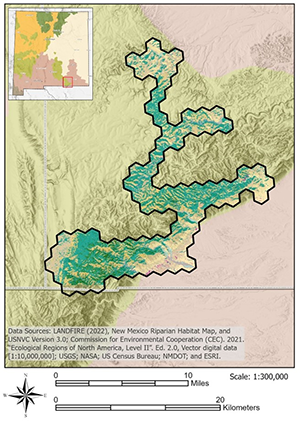
The Guadalupe Mountains COA covers approximately 22,515 ha (55,637 ac) in southeastern New Mexico. It is situated at the southern end of the Guadalupe Mountains in New Mexico, about 55 km (34 mi) southwest of Carlsbad.
Nearly 80% of the land in this COA is managed by the USFS (60%) and NPS (19.5%), while the remaining area is distributed among the BLM (~10%), SLO (1%), and private ownership (9.5%). Approximately 56% of this COA is currently protected.
The COA supports 19 native vegetation habitats, one ruderal vegetation type, and agricultural vegetation, barren areas, developed and urban spaces, and open water. The dominant habitats include Chihuahuan Semi-Desert Grassland (22%), Warm Interior Chaparral (15%), and Chihuahuan Desert Scrub (13%).
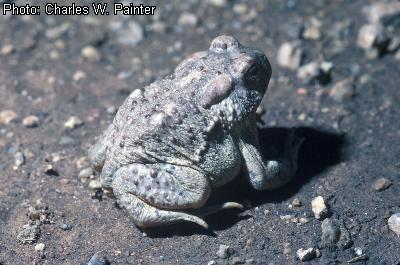
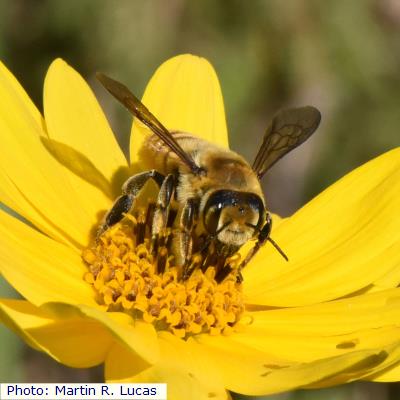
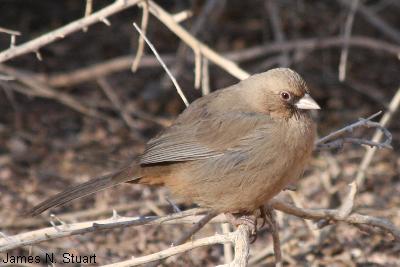
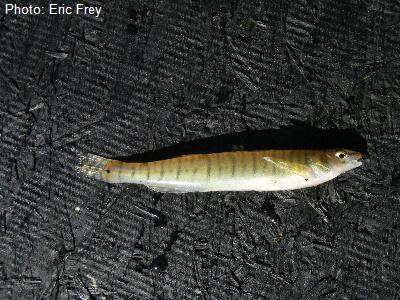
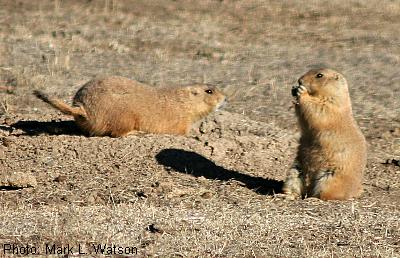
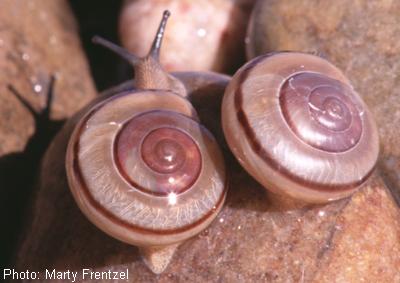
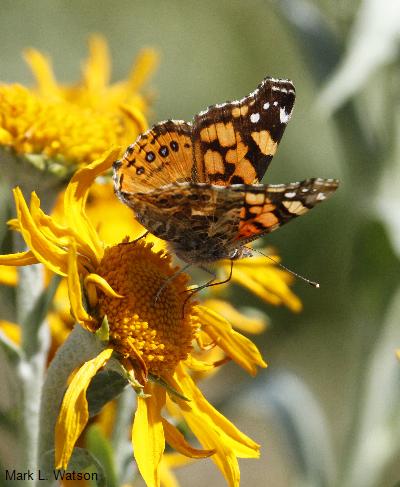
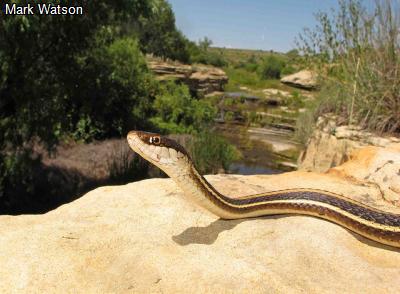
A total of 42 SGCN are found (either observed or with potential habitat) within the COA, including 11 classified as Conservation Impact Species (I) and nine as Current Focal Species (F). This COA has very high potential to contain microclimate refugia for mammals, high potential to contain microclimate refugia for birds, and some potential to contain microclimate refugia for amphibians.
Habitat Name
Habitat Size in Hectares
Agricultural Vegetation
2
Arid West Interior Freshwater Emergent Marsh
6
Barren
3
Chihuahuan Desert Scrub
2824
Chihuahuan Ruderal Grassland
109
Chihuahuan Semi-Desert Grassland
4976
Cliff, Scree, and Rock Vegetation
0.8
Desert Alkali-Saline Wetland
173
Developed and Urban
7
Great Plains Shortgrass Prairie
157
Madrean Lowland Evergreen Woodland
8294
Madrean Montane Forest and Woodland
346
Montane-Subalpine Wet Shrubland and Wet Meadow
1
Open Water
25
Rocky Mountain Lower Montane Forest
817
Rocky Mountain Montane Riparian Forest
29
Rocky Mountain Montane Shrubland
39
Rocky Mountain Piñon-Juniper Woodland
258
Rocky Mountain Subalpine-High Montane Conifer Forest
2
Rocky Mountain Subalpine-Montane Meadow and Grassland
9
Southwest Lowland Riparian Forest
240
Southwest Lowland Riparian Shrubland
56
Warm Interior Chaparral
3337
Warm-Desert Arroyo Riparian Scrub
330
Species (SGCN)