


|
SWAP Habitat
|
|
Introduced Riparian Vegetation
|
|
NVC Name
|
|
SWAP General Vegetation Type
|
|
RIPARIAN WOODLANDS and WETLANDS
|
|
Habitat Size
|
|
192 square miles
|
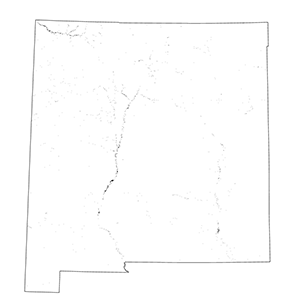
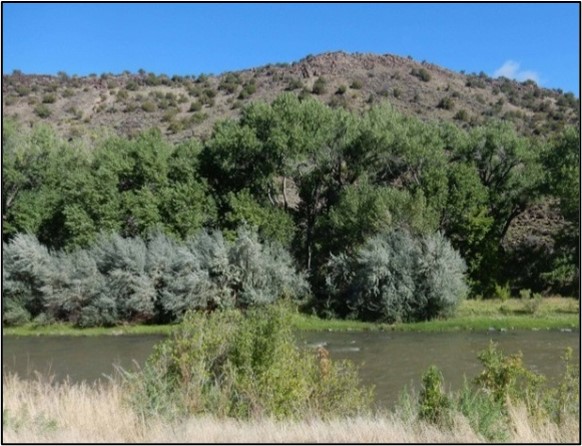
Introduced Riparian Vegetation is a habitat dominated by invasive, non-native shrubs and trees that occurs along lowland streams and rivers below approximately 1,980 m (6,000 ft) throughout New Mexico.
- Russian olive (Elaeagnus angustifolia) and tamarisk (also known as salt cedar; Tamarix spp.) dominate the habitat as shrubs and small trees. They can form large stands that effectively displace the native cottonwoods (Populus spp.) and willows (Salix spp.). Remnant native shrubs may still be present (e.g., coyote willow [S. exigua], New Mexico olive [Forestiera pubescens var. pubescens]).
- The understory can be grassy with salt-tolerant species (e.g., saltgrass [Distichlis spicata], alkali muhly [Muhlenbergia asperifolia], and alkali sacaton [Sporobolus airoides]), but, more commonly, stands are sparse and low in diversity.
- Regulated stream flows appear to have led to an explosion of Russian olive and tamarisk within a relatively short period (<100 years). Stands typically line streambanks and benches, floodplains, and canyons with permanent, intermittent, or temporary water flow. Sites are mesic to dry but are at least temporarily flooded during most years. Hydric conditions typically occur within the top 1 m (3 ft) below the soil surface.
Species
Amphibians
Bees
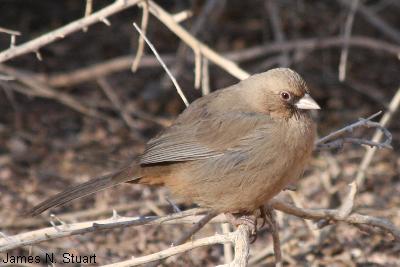
Birds
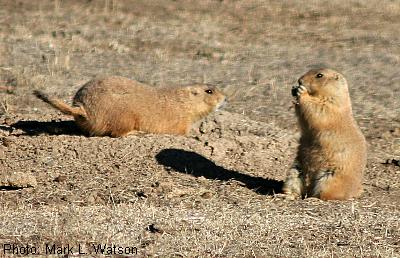
Mammals
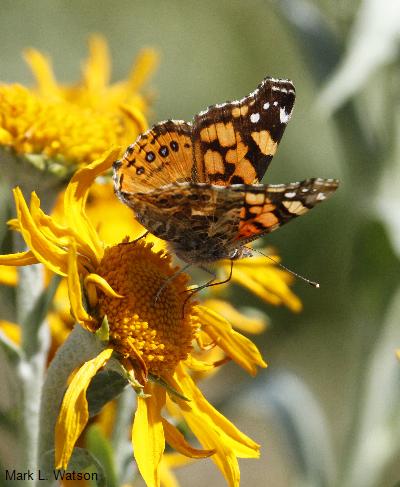
Moths and Butterflies