
| Scientific Name | Incilius alvarius |
| Category | D |
| Taxon | Amphibians |
| Climate Change Vulnerability Score | Moderately Vulnerable |
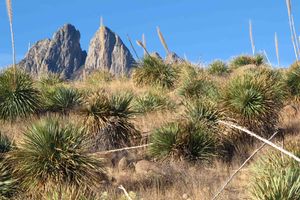
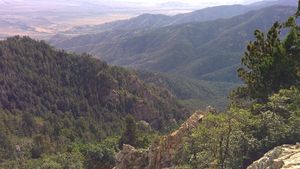
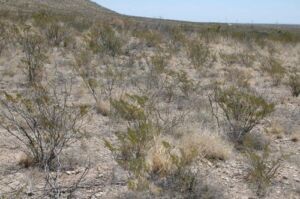
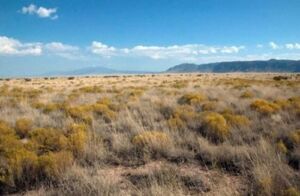
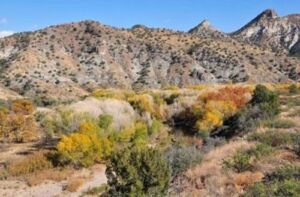
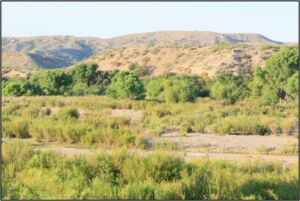
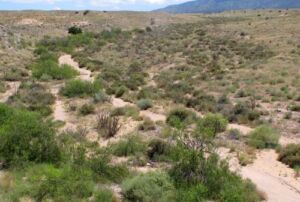
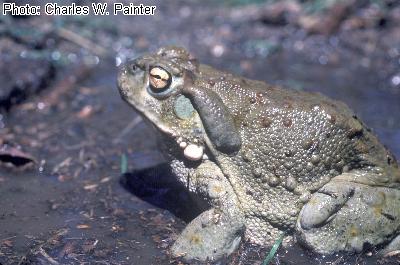
The Sonoran Desert Toad (Incilius alvarius) is the largest (18 cm [7 in]) native toad in the US and occurs in Arizona and New Mexico and possibly in California. It is found in a variety of arid habitats, but in New Mexico it is restricted to desert shrublands and grasslands in the southwestern portion of the State. Unlike many arid-land amphibians, the Sonoran Desert Toad is not dependent on rainfall for breeding, though precipitation does increase activity levels. The Sonoran Desert Toad will experience a high degree of climate exposure and has a moderately low adaptive capacity. Overall, it has a Climate Change Vulnerability Index ranking of Moderately Vulnerable under both Representative Concentration Pathway (RCP) 4.5 and RCP 8.5 Scenarios. The Sonoran Desert Toad’s climate change vulnerability is impacted by factors related to movement, demography, life history, and abiotic niche, which influence its ability to shift in space, persist in place, and respond to climate change impacts.