

| Scientific Name | Lontra canadensis |
| Category | F |
| Taxon | Mammals |
| Climate Change Vulnerability Score | Less Vulnerable |
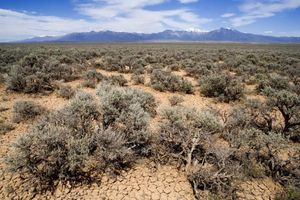
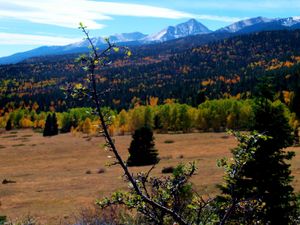
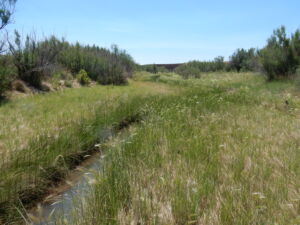
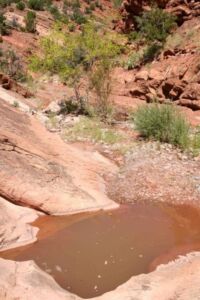
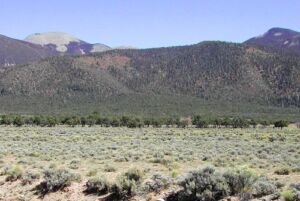
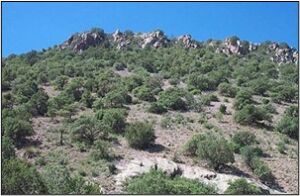
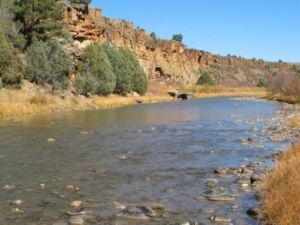
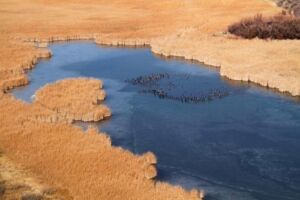
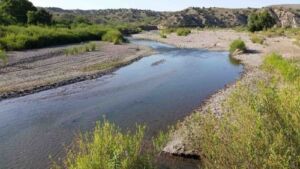
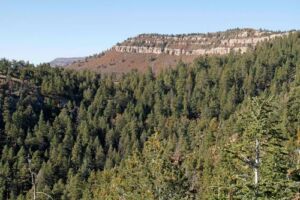
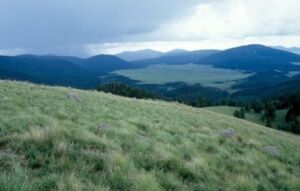
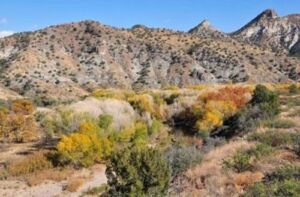
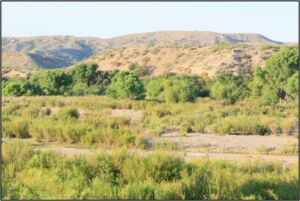
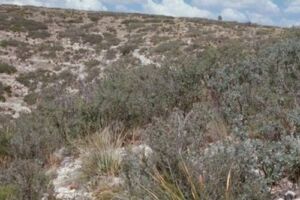
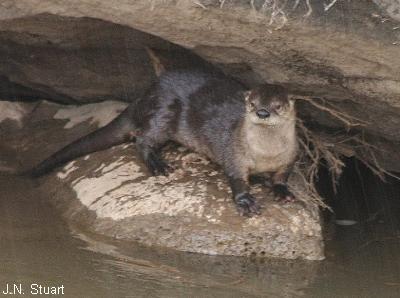
The North American River Otter (Lontra canadensis) is a large (1 m [3 ft]), heavy-bodied member of the weasel family that is distributed throughout Canada and the US, though it has been extirpated from many areas in the interior US. It occurs in New Mexico, largely due to reintroductions, in various sections of the Rio Grande. It inhabits permanent water bodies with low sediment loads and abundant food in semi-desert shrubland to subalpine forest ecosystems. It feeds on fish and crustaceans. The North American River Otter will experience a high degree of climate exposure and has a moderately low adaptive capacity. Overall, it has a Climate Change Vulnerability Index ranking of Less Vulnerable under the Representative Concentration Pathway (RCP) 4.5 Scenario and Moderately Vulnerable under the RCP 8.5 Scenario. The North American River Otter’s climate change vulnerability is impacted by factors related to movement, life history, evolutionary potential, and abiotic niche, which influence its ability to shift in space, persist in place, and respond to climate change impacts.