

| Scientific Name | Eremophila alpestris |
| Category | D |
| Taxon | Birds |
| Climate Change Vulnerability Score | Less Vulnerable |
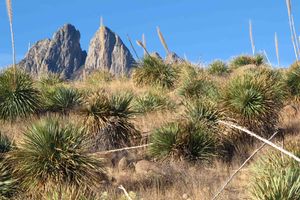
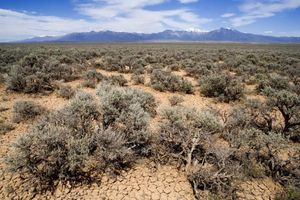
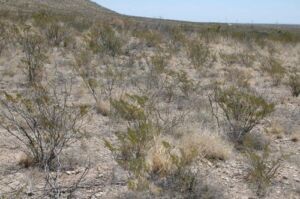
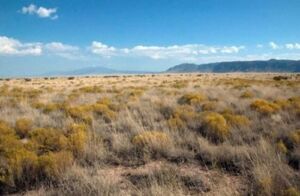
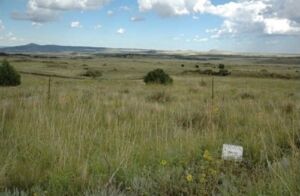
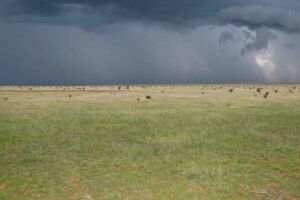
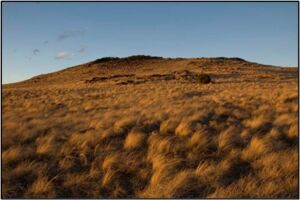
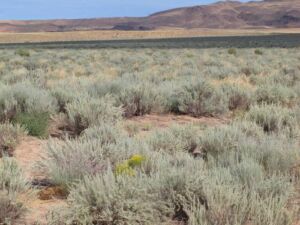
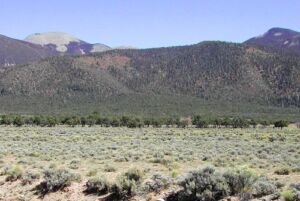
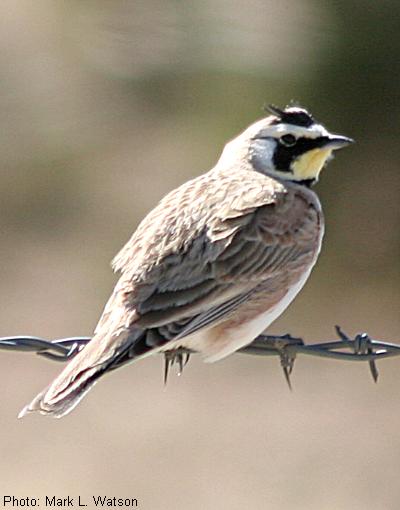
The Horned Lark (Eremophila alpestris) is a small (16-20 cm [6-8 in]; 28-48 g [1-2 oz]), slender songbird that is brownish above and whitish below with black neckbands, face markings, and horn-like feathers on males. It forages on bare, dry ground and areas of sparse vegetation like prairies, farmlands, beaches, and pastures for seeds and insects. It occurs year round throughout the US and is found throughout most of Canada when breeding. The Horned Lark will experience a high degree of climate exposure and has a high adaptive capacity. Overall, it has a Climate Change Vulnerability Index ranking of Less Vulnerable under both Representative Concentration Pathway (RCP) 4.5 and RCP 8.5 Scenarios. The Horned Lark’s climate change vulnerability is impacted by factors related to movement and life history, which influence its ability to shift in space and persist in place.