
| Scientific Name | Lasiurus blossevillii |
| Category | D |
| Taxon | Mammals |
| Climate Change Vulnerability Score | Less Vulnerable |
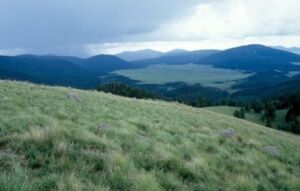
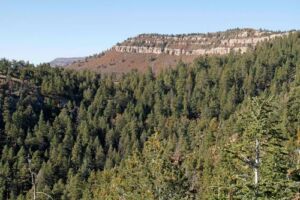
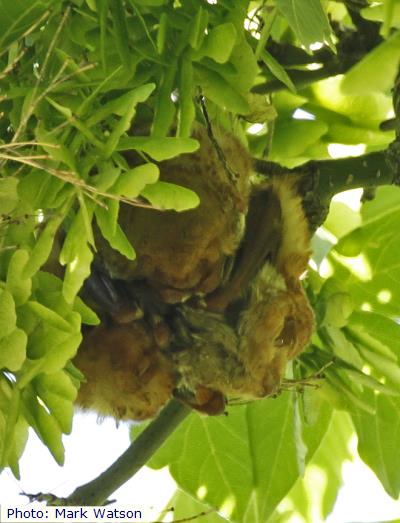
The Western Red Bat (Lasiurus blossevillii) is a medium-sized (9-12 cm [3.5-5 in]; 7-14 g [0.2-0.5 oz]) bat found across the western US, Mexico, and parts of Central America. The name comes from its red- to rusty-colored fur. It occurs in forests and woodlands where it roosts in shrub or tree foliage. It is insectivorous with a diet consisting mostly of moths, beetles, and flies. The Western Red Bat will experience a high degree of climate exposure and has a high adaptive capacity. Overall, it has a Climate Change Vulnerability Index ranking of Less Vulnerable under both Representative Concentration Pathway (RCP) 4.5 and RCP 8.5 Scenarios. The Western Red Bat’s climate change vulnerability is impacted by factors related to movement and abiotic niche, which influence its ability to shift in space and respond to climate change impacts.