


| Scientific Name | Microtus ochrogaster haydenii |
| Category | D |
| Taxon | Mammals |
| Climate Change Vulnerability Score | Less Vulnerable |
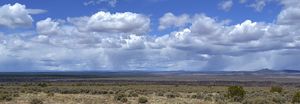
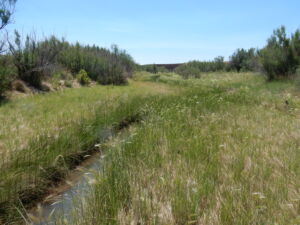
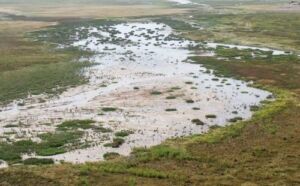
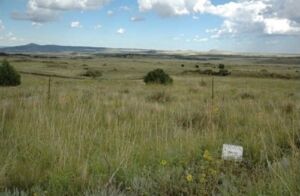
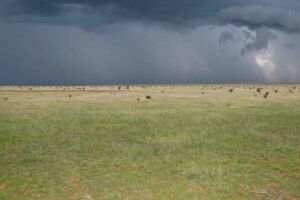
The Prairie Vole (Microtus ochrogaster haydenii) is a small (14-18 cm [0.5-0.6 oz]) rodent in the vole family (Cricetidae) found in the central regions of the US and some parts of Canada. It lives in grasslands and prairies, especially in areas with dense vegetation. The dense vegetation provides some security from predators. The Prairie Vole is herbivorous, eating grass, seeds, and roots. A key characteristic of this rodent is that it is monogomous, forming pair bonds that may last its lifetime. The Prairie Vole will experience a high degree of climate exposure and has a moderately high adaptive capacity. Overall, it has a Climate Change Vulnerability Index ranking of Less Vulnerable under the Representative Concentration Pathway (RCP) 4.5 Scenario and Moderately Vulnerable under the RCP 8.5 Scenario. The Prairie Vole’s climate change vulnerability is impacted by factors related to movement and abiotic niche, which influence its ability to shift in space and respond to climate change impacts.