

| Scientific Name | Leptonycteris nivalis |
| Category | F |
| Taxon | Mammals |
| Climate Change Vulnerability Score | Less Vulnerable |
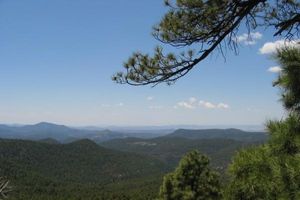
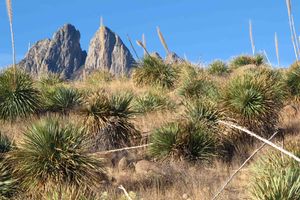
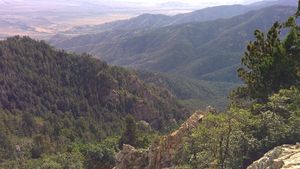
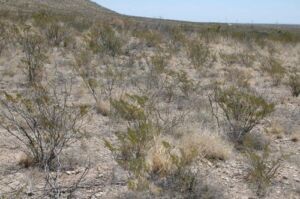
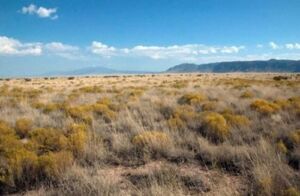
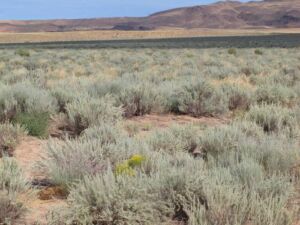
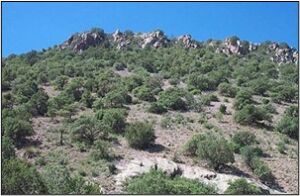
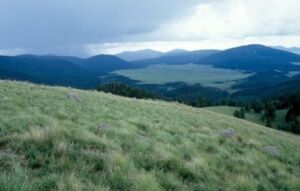
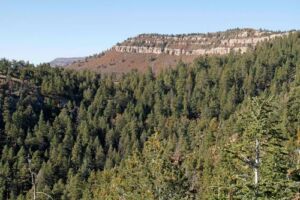
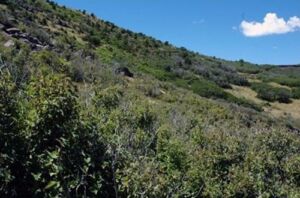
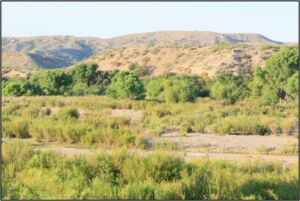
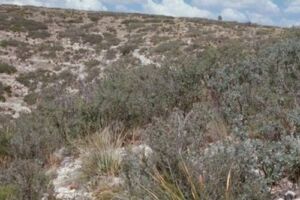
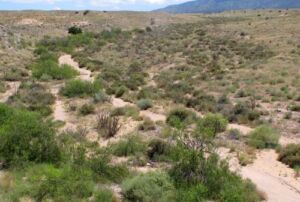
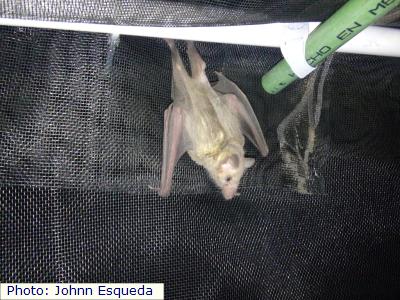
The Mexican Long-nosed Bat (Leptonycteris nivalis) is a small (9 cm [3.5 in] long) bat that winters in southwestern Guatemala and Mexico and spends the summers in southwestern New Mexico and Texas. It lives colonially in caves in desert scrub, open conifer-oak (Quercus spp.) woodlands, and pine (Pinus spp.) forests. It is often associated with agaves (Agave spp.) and feeds primarily on the nectar of cacti and agaves, but probably also eats some fruits. The Mexican Long-tongued Bat will experience a high degree of climate exposure and has a moderately low adaptive capacity. Overall, it has a Climate Change Vulnerability Index ranking of Highly Vulnerable under both Representative Concentration Pathway (RCP) 4.5 and RCP 8.5 Scenarios. The Mexican Long-nosed Bat’s climate change vulnerability is impacted by factors related to distribution, movement, life history, and abiotic niche, which influence its ability to shift in space, persist in place, and respond to climate change impacts.