

| Scientific Name | Pica hudsonia |
| Category | D |
| Taxon | Birds |
| Climate Change Vulnerability Score | Less Vulnerable |
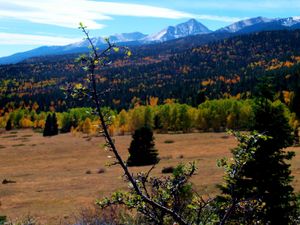
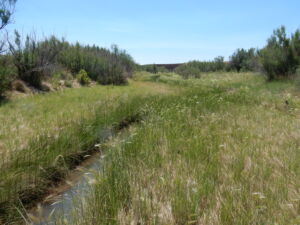
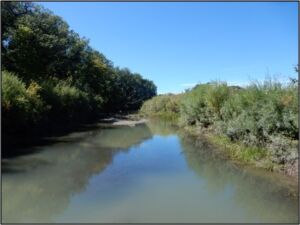
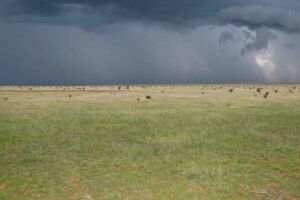
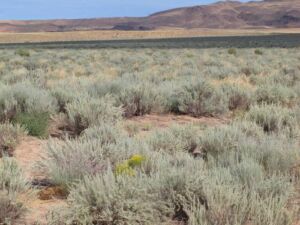
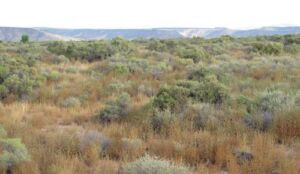
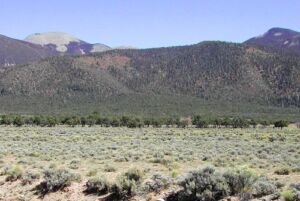
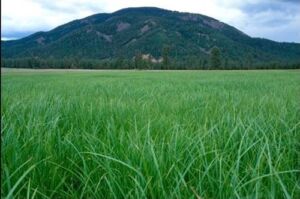
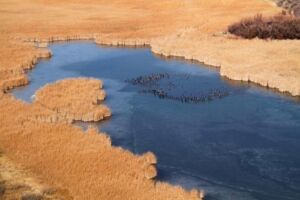
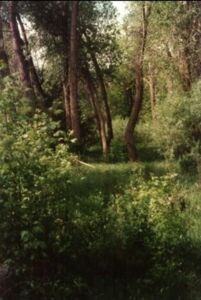
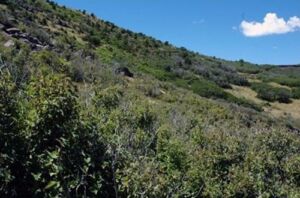
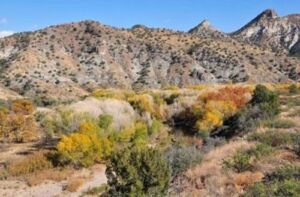
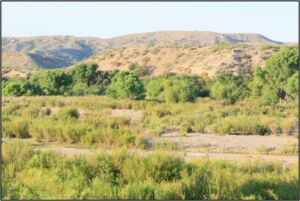
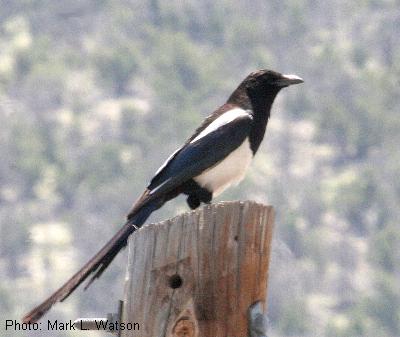
The Black-billed Magpie (Pica hudsonia) is a striking crow-sized bird (45-60 cm [18-24 in] long; 56-61 cm [22-24 in] wingspan) that is mostly black overall but has a white belly, white stripes on the back, white wingtips, and a long fan-like tail. It forages for fruit, grain, insects, squirrels, voles, and eggs and nestlings from other birds' nests. Its habitat is meadows, grasslands, and sagebrush plains. It occurs in the western US, southwestern Canada, and southern Alaska. The Black-billed Magpie will experience a high degree of climate exposure and has a high adaptive capacity. Overall, it has a Climate Change Vulnerability Indexranking of Less Vulnerable under both Representative Concentration Pathway (RCP) 4.5 and RCP 8.5 Scenarios. The Black-billed Magpie’s climate change vulnerability is impacted by life history factors, which influence its ability to persist in place. It also has documented or modeled responses to climate change that impact its vulnerability score.