


| Scientific Name | Sorex arizonae |
| Category | L |
| Taxon | Mammals |
| Climate Change Vulnerability Score | Less Vulnerable |
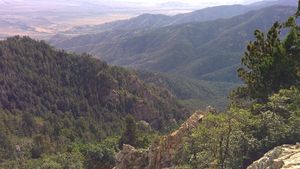
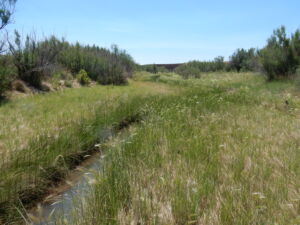
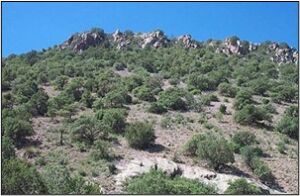
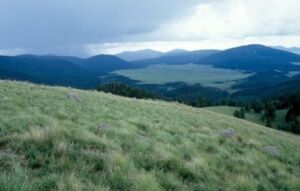
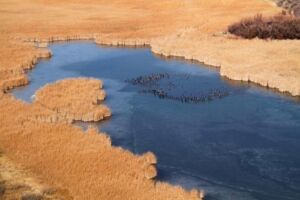
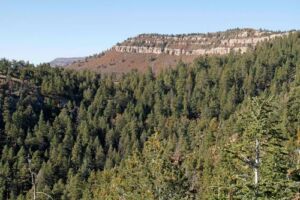
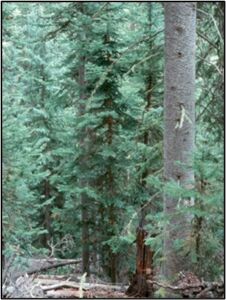
The Arizona Shrew (Sorex arizonae) is a small (11 cm [4 in]) montane shrew that occurs in southeastern Arizona, the Animas Mountains in southwestern New Mexico, and Chihuahua, Mexico. It inhabits areas with a thick canopy of vegetation, primarily in the riparian edges of pine (Pinus spp.)-oak (Quercus spp.) forests or in conifer forests. Because of its high metabolisms, this shrew feeds almost constantly on invertebrates and cannot hibernate. The Arizona Shrew will experience a high degree of climate exposure and has a moderately high adaptive capacity. Overall, it has a Climate Change Vulnerability Index ranking of Less Vulnerable under the Representative Concentration Pathway (RCP) 4.5 Scenario and Moderately Vulnerable under the RCP 8.5 Scenario. The Arizona Shrew’s climate change vulnerability is impacted by factors related to distribution and abiotic niche, which influence its ability to shift in space and respond to climate change impacts. It is also impacted by barriers, land-use changes, and other anthropogenic factors that could increase the effects of climate change.