Skip to content

NEW MEXICO DEPARTMENT OF WILDLIFE

New Mexico Conservation Information System

  • New Mexico Conservation Information System
  • BISON-M
  • NMERT
  • NM CHAT
  • Share with Wildlife

NEW MEXICO DEPARTMENT OF WILDLIFE

  • New Mexico Conservation Information System
  • BISON-M
  • NMERT
  • NM CHAT
  • Share with Wildlife
New Mexico State Wildlife Action Plan LogoNew Mexico State Wildlife Action Plan Logo

State Wildlife Action Plan for New Mexico

New Mexico State Wildlife Action Plan
  • OVERVIEW
  • Species
    • Amphibians
    • Bees
    • Beetles
    • Birds
    • Crustaceans
    • Fish
    • Flies
    • Mammals
    • Molluscs
    • Moths and Butterflies
    • Reptiles
  • Ecoregions
    • Arizona/New Mexico Mountains
    • Chihuahuan Desert
    • Colorado Plateaus
    • High Plains and Tablelands
    • Madrean Archipelago
    • Southern Rocky Mountains
  • Habitats
    • Alpine and Montane Vegetation
    • Aquatic
    • Arroyo Riparian
    • Cliff, Scree & Rock Vegetation
    • Desert Grassland and Scrub
    • Plains-Mesa Grasslands< Back to Habitats List
    • Riparian Woodlands and Wetlands
  • Conservation Opportunity Areas
  • Threats and Conservation Actions
  • Monitoring
  • Climate Change
  • Related Resources

New Mexico State Wildlife Action Plan

  • OVERVIEW
  • Species
    • Amphibians
    • Bees
    • Beetles
    • Birds
    • Crustaceans
    • Fish
    • Flies
    • Mammals
    • Molluscs
    • Moths and Butterflies
    • Reptiles
  • Ecoregions
    • Arizona/New Mexico Mountains
    • Chihuahuan Desert
    • Colorado Plateaus
    • High Plains and Tablelands
    • Madrean Archipelago
    • Southern Rocky Mountains
  • Habitats
    • Alpine and Montane Vegetation
    • Aquatic
    • Arroyo Riparian
    • Cliff, Scree & Rock Vegetation
    • Desert Grassland and Scrub
    • Plains-Mesa Grasslands< Back to Habitats List
    • Riparian Woodlands and Wetlands
  • Conservation Opportunity Areas
  • Threats and Conservation Actions
  • Monitoring
  • Climate Change
  • Related Resources

Verdin

Back to Species
Verdin
Verdin
Scientific Name Auriparus flaviceps ornatus
Category D
Taxon Birds
Climate Change Vulnerability Score Less Vulnerable
View on BISON-M

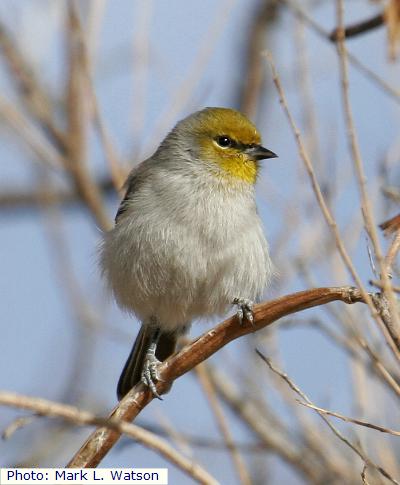
The Verdin (Auriparus flaviceps ornatus) is a tiny, active bird (9-11 cm [3.5-4 in] long; 5-8 g [0.2-0.3 oz]) with a golden-yellow face, chestnut shoulder pads, and drab gray elsewhere on its body. It forages for insects, spiders, nectar, and fruit in trees, frequently in arroyos. It occurs in the hot desert southwestern US and parts of northern Mexico. The Verdin will experience a high degree of climate exposure and has a high adaptive capacity. Overall, it has a Climate Change Vulnerability Index ranking of Less Vulnerable under both Representative Concentration Pathway (RCP) 4.5 and RCP 8.5 Scenarios. The Verdin’s climate change vulnerability is impacted by factors related to movement and abiotic niche, which influence its ability to shift in space and respond to climate change impacts.
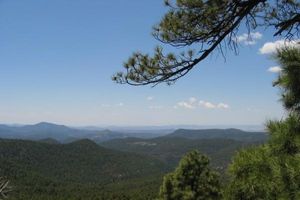
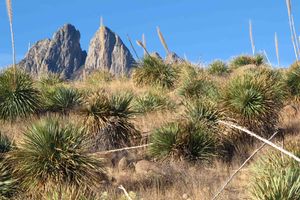
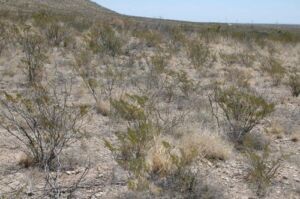
Ecoregions

Arizona/New Mexico Mountains
Chihuahuan Desert
Chihuahuan Desert

Habitats

Chihuahuan Desert Scrub
Chihuahuan Semi-Desert Grassland
Intermountain Arroyo Riparian Scrub
Southwest Lowland Riparian Forest
Southwest Lowland Riparian Shrubland
Warm-Desert Arroyo Riparian Scrub

Threats and Conservation Actions

Result for: All
Residential and Commercial Development
Assess the synergistic effects between climate change and other threats to SGCN and their habitats (e.g., Friggens et al. 2019, Parks et al. 2019). Incorporate appropriate climate adaptation strategies and frameworks into projects designed to address these synergistic effects. This may include enhancing connectivity (CEQ 2023), facilitating a species’ innate adaptive capacity (Thurman et al. 2022), enhancing genetic diversity (Powell 2023), considering local adaptation (Meek et al. 2023), or considering whether it is most appropriate to resist, accept, or direct ecosystem transformation (Lynch et al. 2021, Stevens et al. 2021). Projects should acknowledge ecosystem dynamism and incorporate indigenous knowledge (e.g., Roos et al. 2022, Eisenberg et al. 2024), nature-based solutions (Warnell et al. 2023), and experimentation (Guiterman et al. 2022) when appropriate. Potential collaborators: BLM, NPS, USFS, USFWS, USGS, universities, Tribal natural-resource managers.

Residential and Commercial Development
Collaborate with interested and willing land managers and private landowners to designate protected areas or implement conservation easements for lands that encompass important SGCN habitats. Potential collaborators: BLM, NPS, NRCS, USFS, USFWS, SLO, non-profit organizations, private landowners.

Residential and Commercial Development
Determine distribution and habitat needs of SGCN that reside in (e.g., Boakes et al. 2024) or near urban areas. This includes initiation and promotion of citizen or community science activities that document SGCN and other wildlife in and around urban areas. Inform municipal staff of nearby SGCN and how to minimize development-related impacts to SGCN and their habitats. Encourage community or individual enrollment, as appropriate, in programs designed to benefit particular SGCN or taxa (e.g., Monarch City USA; https://www.monarchcityusa.com/) and in wildlife habitat certification programs (e.g., National Wildlife Federation; https://certifiedwildlifehabitat.nwf.org/; Albuquerque Backyard Refuge Program; https://friendsofvalledeoro.org/abq-backyard-refuge/).Potential collaborators: universities, municipalities, non-profit organizations, private landowners.

Residential and Commercial Development
Determine life history needs, ecology, distribution, movements, status, and trends of and threats to SGCN (especially invertebrates that are not currently monitored, riparian-obligate species, herpetofauna [Pierce et al. 2016, Olson and Pilliod 2022], and rare native fishes) and their habitats. Consider full annual cycles for migratory species when appropriate and logistically feasible (KFF 2021) and interactions with lower trophic levels that may drive SGCN status (e.g., EPA 2023). Use this information to develop and implement effective monitoring protocols and conservation actions, including actions to mitigate identified threats. Potential collaborators: BLM, BOR, NPS, USFS, USFWS, SLO, universities, non-profit organizations, private industry, species working groups, Tribal natural-resource managers.

Residential and Commercial Development
Evaluate the effectiveness of public education and outreach efforts regarding threats to SGCN and their habitats and the ways that the public can assist in threat mitigation (KFF 2021). Modify outreach activities as needed in response to evaluation outcomes. Potential collaborators: BLM, BOR, NPS, USACE, USFS, USFWS, USGS, NMED, NMSP, SFD, SLO, universities, local governments, municipalities, non-profit organizations.

Residential and Commercial Development
Identify or develop an accessible, jointly used database to document the status and condition of, threats to, and conservation actions implemented across aquatic, riparian, and upland habitats. Identify data gaps (e.g., Ganey et al. 2017) and implement standardized methods to gather habitat data (e.g., Vollmer et al. 2018, Shirk et al. 2023) and to monitor the success of conservation actions (e.g., Davis and Pinto 2021), including impacts on local SGCN populations. Synthesize existing information (e.g., Jain et al. 2021) and apply modeling techniques to aid in evaluating success when appropriate (e.g., Parks et al. 2018). Adjust future conservation actions as needed based on observed outcomes. Potential collaborators: BLM, BOR, NPS, USACE, USFS, USFWS, USGS, NMED, SFD, SLO, universities.

Residential and Commercial Development
Investigate the potential impacts of current and future development on SGCN and their habitats and identify ways to mitigate those impacts. This includes working with municipalities to stay informed about new developments and initiate policies that will minimize negative impacts of future developments on SGCN. This also includes promoting the development of green spaces and green infrastructure in urban areas that, where appropriate, provide habitat and resources to SGCN (Gallo et al. 2017; Threlfall et al. 2017), including pollinators (Fukase and Simons 2016; Majewska and Altizer 2020). Potential collaborators: NMDOT, universities, local governments, municipalities, non-profit organizations, private landowners. Ecoregions: CP, SRM, CD

Residential and Commercial Development
Participate in public-involvement opportunities when proposed developments might threaten the persistence of SGCN and their habitats. Potential collaborators: non-profit organizations, private landowners.

Residential and Commercial Development
Reduce impacts of housing developments by establishing development standards that ensure habitat integrity and functionality while minimizing wildfire threats to private residences in the wildland-urban interface. Potential collaborators: local governments, municipalities.

Residential and Commercial Development
Where appropriate, incorporate native, pollinator-friendly plants (Glenny et al. 2022) or native plants adapted to projected future climatic conditions at the restoration site (e.g., Meek et al. 2023, Stanturf et al. 2024) into seed mixes and live plantings used in the restoration of lands affected by grazing, fire, resource extraction, energy development, or urban development. Consider reclamation site conditions, genetic diversity, and resilience to local threats when producing seedlings (Davis and Pinto 2021) and consider appropriate climate analogs when identifying appropriate seed sources (e.g., Richardson et al. 2024). When focused on benefiting pollinators, prioritize plants that are attractive to pollinators, especially SGCN; support pollinators throughout the growing season (Glenny et al. 2023); provide food for caterpillars of insect SGCN (e.g., Dumroese et al. 2016); and produce pollen with high nutritional diversity (Vaudo et al. 2024). Potential collaborators: BLM, NPS, NRCS, USFS, SFD, SLO, energy and mining companies, non-profit organizations, private landowners, Tribal natural-resource managers.

Related Resources

  • Species of Greatest Conservation Need Chapter in SWAP document
Natural Heritage New Mexico
  • Contact Us
  • Our Mission
  • Work With Us
  • Operation Game Thief
  • Contact Us
  • Our Mission
  • Work With Us
  • Operation Game Thief

©2026 • New Mexico State Wildlife Action Plan • All Rights Reserved • Website by Delta Systems

Page load link
Go to Top