

| Scientific Name | Astyanax mexicanus |
| Category | I |
| Taxon | Fish |
| Climate Change Vulnerability Score | Less Vulnerable |
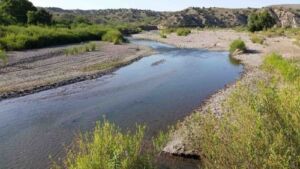
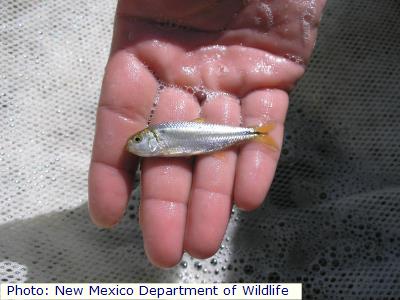
The Mexican Tetra (Astyanax mexicanus) is a small (10 cm [4 in]) fish that occurs in eastern and central Mexico and the lower Rio Grande and Nueces and Pecos River drainages in New Mexico and Texas. It inhabits a variety of aquatic habitats but is often found in pools and springs with rocky and sandy bottoms. It is highly carnivorous, eating mostly fish and invertebrates. The Mexican Tetra will experience a high degree of climate exposure and has a moderately high adaptive capacity. Overall, it has a Climate Change Vulnerability Index ranking of Less Vulnerable under the Representative Concentration Pathway (RCP) 4.5 Scenario and Moderately Vulnerable under the RCP 8.5 Scenario. The Mexican Tetra’s climate change vulnerability is impacted by factors related to movement, life history, and evolutionary potential, which influence its ability to shift in space, persist in place, and respond to climate change impacts.