

| Scientific Name | Tympanuchus pallidicinctus |
| Category | F |
| Taxon | Birds |
| Climate Change Vulnerability Score | Highly Vulnerable |
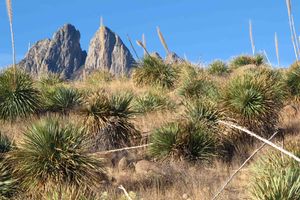
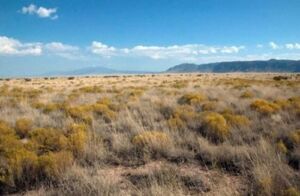
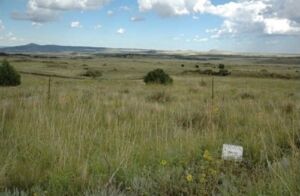
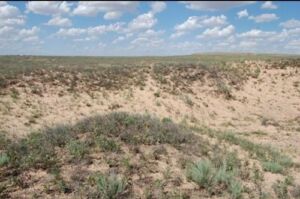
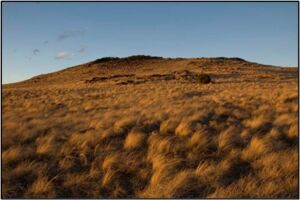
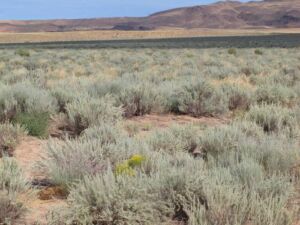
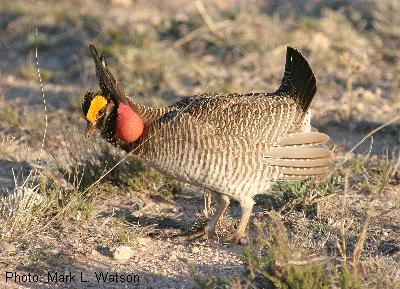
The Lesser Prairie-Chicken (Tympanuchus pallidicinctus) is a medium-sized (38-41 cm [15-16 in]), grouse-like gamebird that is distributed discontinuously through the southwestern Great Plains area. It lives in grasslands with shinnery oak (Quercus havardii) and/or sand sagebrush (Artemisia filifolia). In spring, males gather together at leks or booming grounds where they display for mates. Threats facing the species include: conversion or degradation of native grasslands, shrub encroachment, and development within Lesser Prairie-Chicken habitats. It may avoid vertical structures (including turbine towers and transmission lines) that create disturbance or serve as perches for predatory raptors. The Lesser Prairie-Chicken will experience a high degree of climate exposure and has a low adaptive capacity. Overall, it has a Climate Change Vulnerability Index ranking of Highly Vulnerable under both Representative Concentration Pathway (RCP) 4.5 and RCP 8.5 Scenarios. The Lesser Prairie-Chicken’s climate change vulnerability is impacted by factors related to distribution, movement, and abiotic niche, which influence its ability to shift in space and respond to climate change impacts. It also has documented or modeled responses to climate change that impact its vulnerability score.