
| Scientific Name | Gopherus flavomarginatus |
| Category | L |
| Taxon | Reptiles |
| Climate Change Vulnerability Score | Extremely Vulnerable |
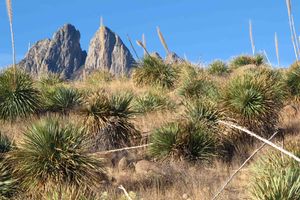
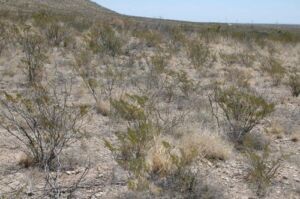
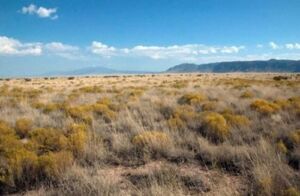
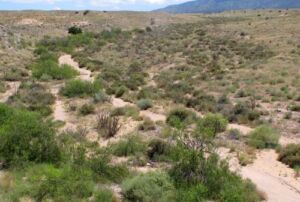
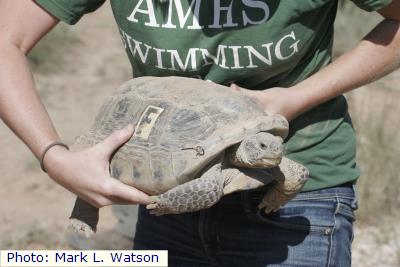
The Bolson's Tortoise (Gopherus flavomarginatus) is the largest tortoise in North America, as large as 13 kg (29 lb) with a 46 cm (18 in) shell. It spends over 95% of its time in its burrow. It occupies habitats dominated by creosote bush (Larrea tridenata), mesquite (Prosopis juliflora), tobosagrass (Pleuraphis mutica), and other Chihuahuan Desert plants. The Bolson’s Tortoise will experience a high degree of climate exposure and has a low adaptive capacity. Overall, it has a Climate Change Vulnerability Index ranking of Extremely Vulnerable under both Representative Concentration Pathway (RCP) 4.5 and RCP 8.5 Scenarios. The Bolson’s Tortoise’s climate change vulnerability is impacted by factors related to distribution, movement, demography, life history, evolutionary potential, and abiotic niche, which influence its ability shift in space, persist in place, and respond to climate change impacts. It is also impacted by barriers, land-use changes, and other anthropogenic and biologic factors that could increase the effects of climate change.