
| Scientific Name | Mustela nigripes |
| Category | F |
| Taxon | Mammals |
| Climate Change Vulnerability Score | Extremely Vulnerable |
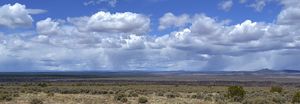
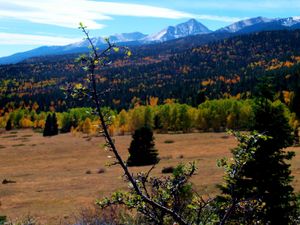
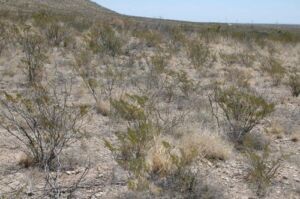
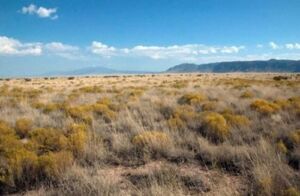
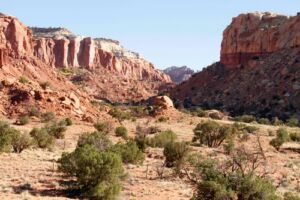
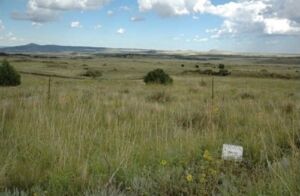
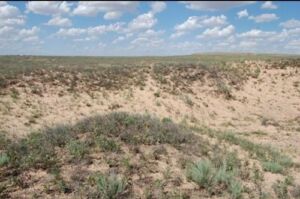
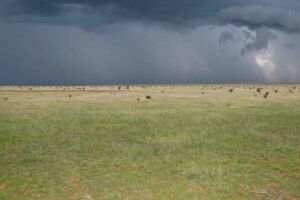
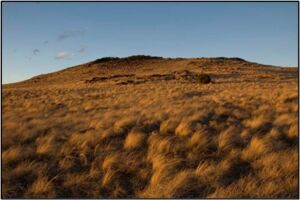
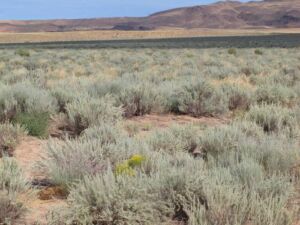
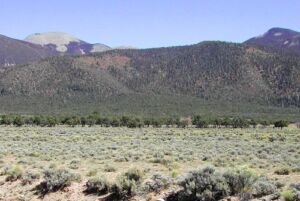
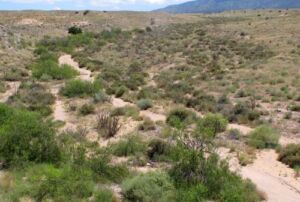
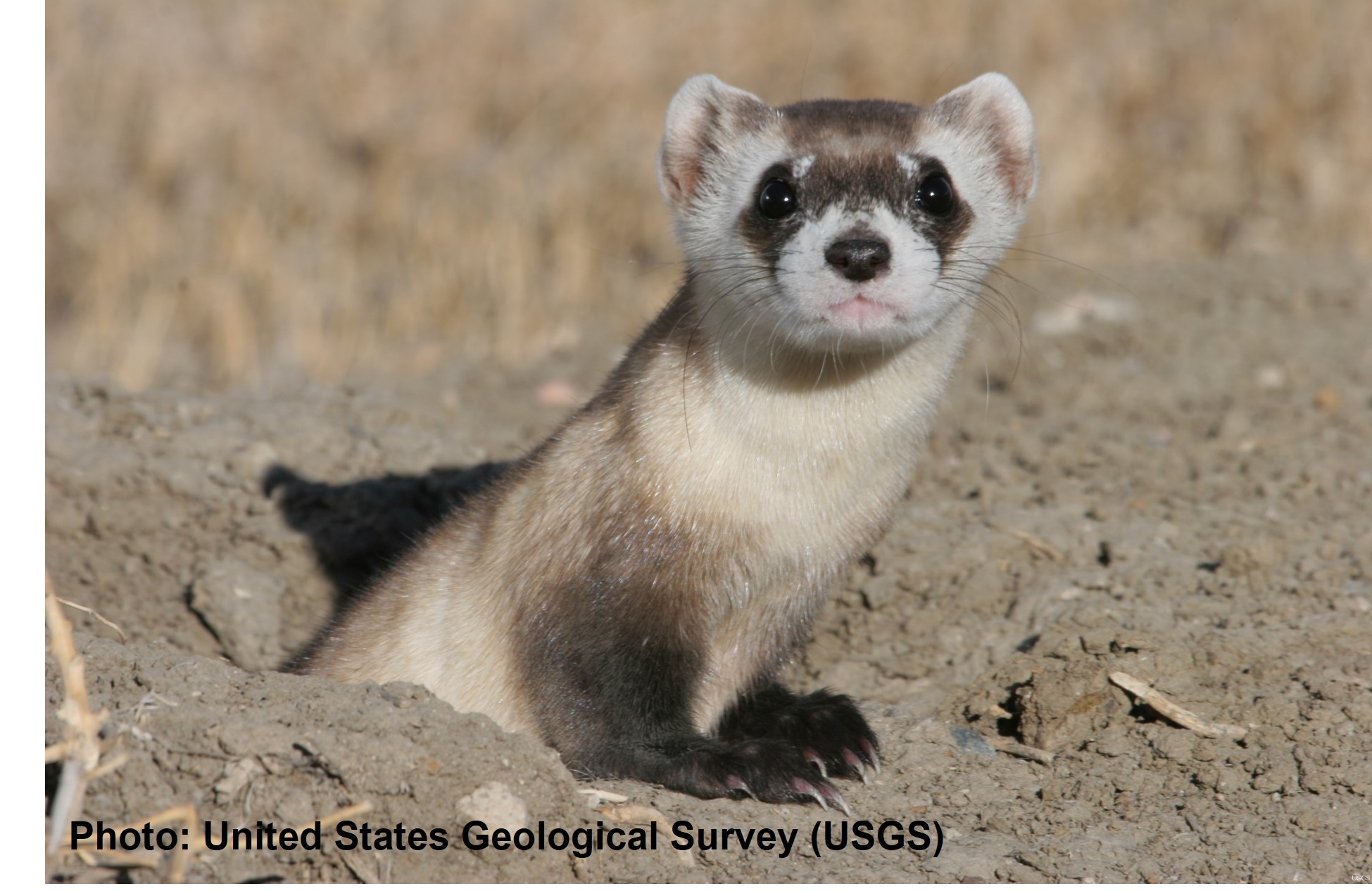
The Black-footed Ferret (Mustela nigripes) is a medium-sized (0.6 m [2 ft]) weasel that was historically widely distributed across the Great Plains of the US and Canada before being considered extinct in the wild. This ferret has been reintroduced to at least 21 sites. Sites in the following places were considered to have breeding adults: Arizona,Colorado, Kansas, Montana, New Mexico, South Dakota, Utah, Wyoming and Chihuahua, Mexico. It inhabits open grasslands, steppe, and shrub steppe where there are prairie dogs (Cynomys spp.). Prairie dogs comprise about 90% of its diet. The Black-footed Ferret will experience a high degree of climate exposure and has a low adaptive capacity. Overall, it has a Climate Change Vulnerability Index ranking of Extremely Vulnerable under both Representative Concentration Pathway (RCP) 4.5 and RCP 8.5 Scenarios. The Black-footed Ferret’s climate change vulnerability is impacted by factors related to distribution, ecological role, evolutionary potential, and abiotic niche, which influence its ability to shift in space and respond to climate change impacts.