
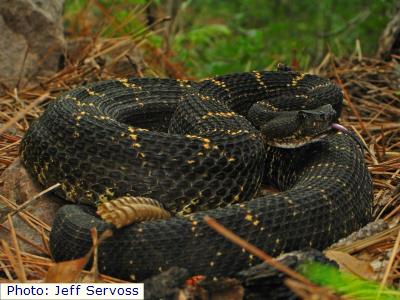
| Scientific Name | Crotalus cerberus |
| Category | I |
| Taxon | Reptiles |
| Climate Change Vulnerability Score | Less Vulnerable |
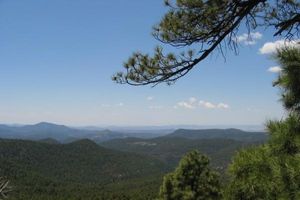
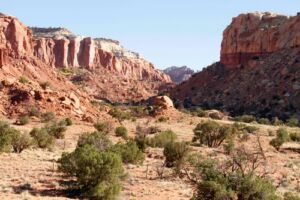
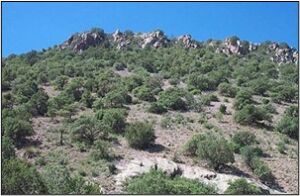
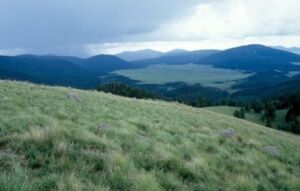
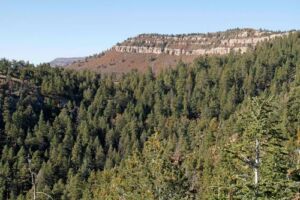
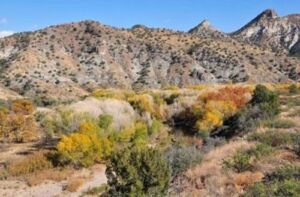
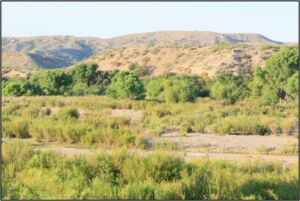
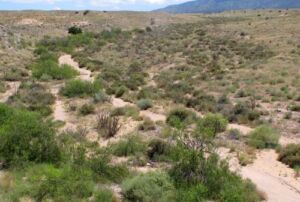
The Arizona Black Rattlesnake (Crotalus cerberus) is a medium-sized (1 m [3 ft] total length) rattlesnake that occurs in the mountains and foothills of central Arizona and west-central New Mexico. It inhabits oak (Quercus spp.), pine (Pinus spp.)-oak, and mixed-conifer habitats. It is a highly social species and hibernates, gestates, and gives birth in groups. The Arizona Black Rattlesnake will experience a high degree of climate exposure and has a high adaptive capacity. Overall, it has a Climate Change Vulnerability Index ranking of Less Vulnerable under both Representative Concentration Pathway (RCP) 4.5 and RCP 8.5 Scenarios. The Arizona Black Rattlesnake’s climate change vulnerability is impacted by factors related to distribution, demography, and abiotic niche, which influence its ability shift in space, persist in place, and respond to climate change impacts. It is impacted by barriers, land-use changes, and other anthropogenic and biologic factors that could increase the effects of climate change. It also has documented or modeled responses to climate change that impact its climate change vulnerability score.