

| Scientific Name | Calamospiza melanocorys |
| Category | D |
| Taxon | Birds |
| Climate Change Vulnerability Score | Moderately Vulnerable |
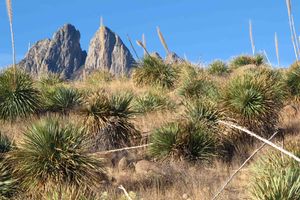
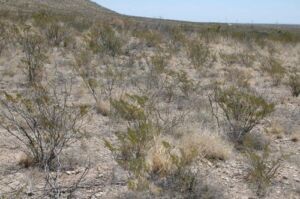
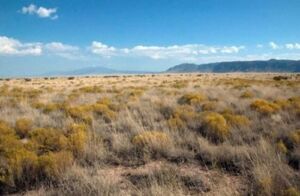
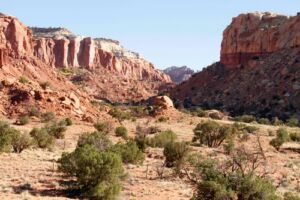
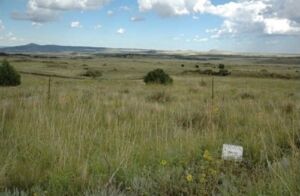
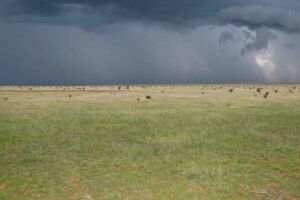
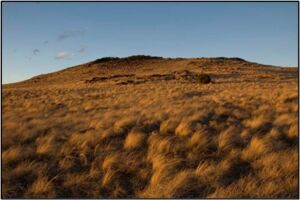
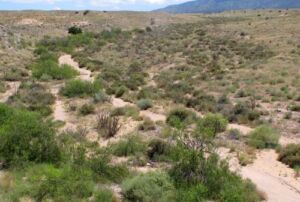
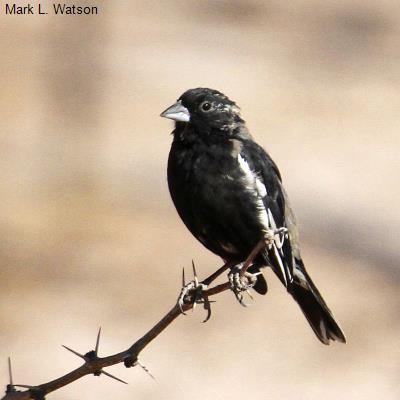
The Lark Bunting (Calamospiza melanocorys) is about 16.5 cm (6.5 in) long. In summer, the male is black with white wing patches. Females are mostly brown with white wing patches, dark-brown streaks on a white breast, and cream-colored corners on the tail. During winter, the males resemble the females with a black throat. It breeds in grasslands, prairies,meadows, and sagebrush and eats invertebrates, like grasshoppers, and seeds. The Lark Bunting will experience a high degree of climate exposure and has a high adaptive capacity. Overall, it has a Climate Change Vulnerability Index ranking of Moderately Vulnerable under both Representative Concentration Pathway (RCP) 4.5 and RCP 8.5 Scenarios. The Lark Bunting’s climate change vulnerability is impacted by factors related to movement and life history, which influence its ability to shift in space and persist in place. It also has documented or modeled responses to climate change that impact its vulnerability score.