

| Scientific Name | Senticolis triaspis intermedia |
| Category | D |
| Taxon | Reptiles |
| Climate Change Vulnerability Score | Less Vulnerable |
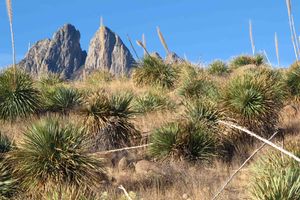
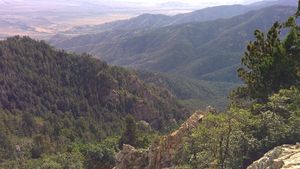
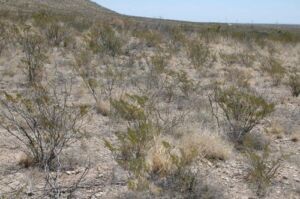
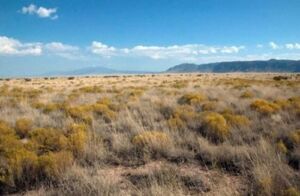
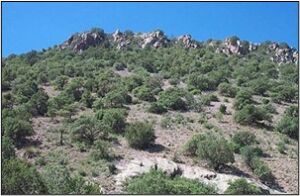
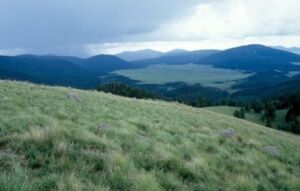
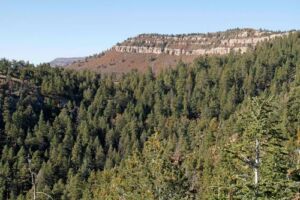
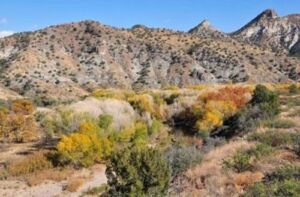
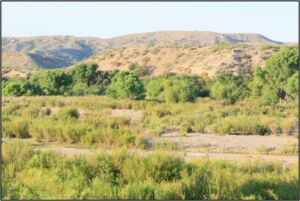
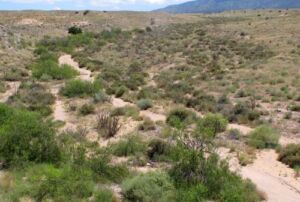
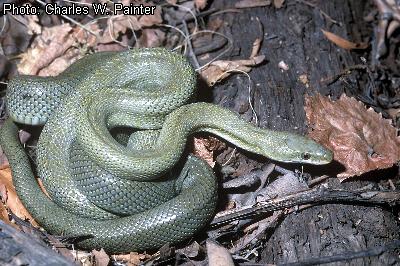
The Green Rat Snake (Senticolis triaspis intermedia) is a large (2 m [7 ft] total length), wide-ranging snake that is found from Costa Rica to just north of the US-Mexico border in southeastern Arizona and southwestern New Mexico. It inhabits montane woodlands and chaparral. It eats mostly rodents but will also eat other small mammals, lizards, and birds. The Green Rat Snake will experience a high degree of climate exposure and has a high adaptive capacity. Overall, it has a Climate Change Vulnerability Index ranking of Less Vulnerable under both Representative Concentration Pathway (RCP) 4.5 and RCP 8.5 Scenarios. The Green Rat Snake’s climate change vulnerability is impacted by factors related to demography, evolutionary potential, and abiotic niche, which influence its ability to persist in place and respond to climate change impacts.