

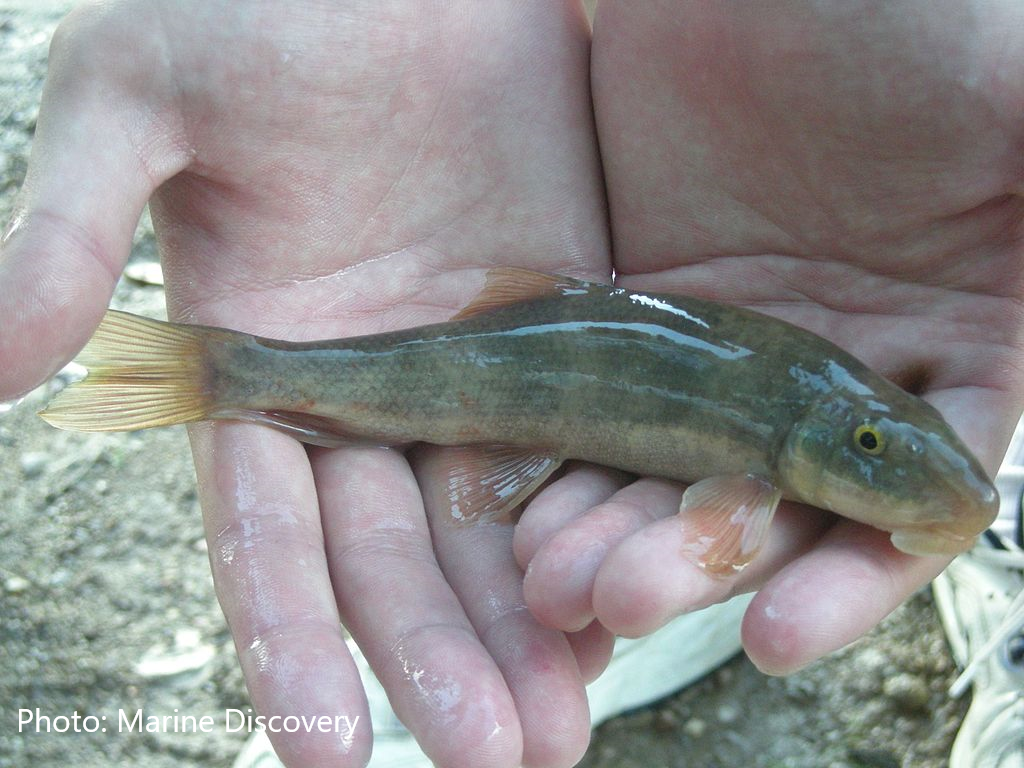
| Scientific Name | Catostomus clarkii |
| Category | F |
| Taxon | Fish |
| Climate Change Vulnerability Score | Highly Vulnerable |
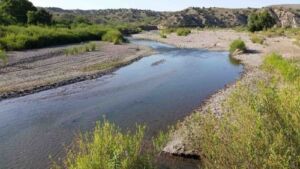
The Desert Sucker (Catostomus clarkii) is a medium-sized (up to 33 cm [13 in]) fish that occurs in the lower Colorado River basin below the Grand Canyon, the Virgin River basin, and, in Arizona, New Mexico, and Sonora, Mexico, is found in the Gila River drainage. Adults use shady pools during the day and riffles during the night in small to medium rivers. It does not occur in reservoirs, lakes, or water with low levels of dissolved oxygen. It feeds primarily by scraping algae from rocks and other substrates. The Desert Sucker will experience a high degree of climate exposure and has a moderately high adaptive capacity. Overall, it has a Climate Change Vulnerability Index ranking of Highly Vulnerable under the Representative Concentration Pathway (RCP) 4.5 Scenario and Extremely Vulnerable under the RCP 8.5 Scenario. The Desert Sucker’s climate change vulnerability is impacted by factors related to distribution and abiotic niche, which influence its ability to shift in space and respond to climate change. It is impacted by barriers, land-use changes, and other anthropogenic and biologic factors that could increase the effects of climate change. It also has documented or modeled responses to climate change that impact its climate change vulnerability score.