

| Scientific Name | Erethizon dorsatum |
| Category | D |
| Taxon | Mammals |
| Climate Change Vulnerability Score | Less Vulnerable |
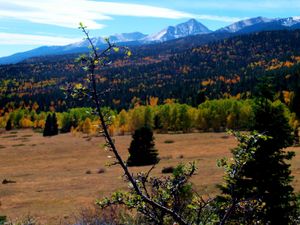
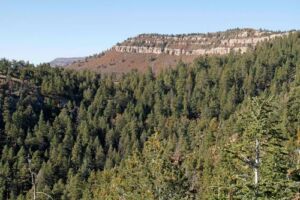
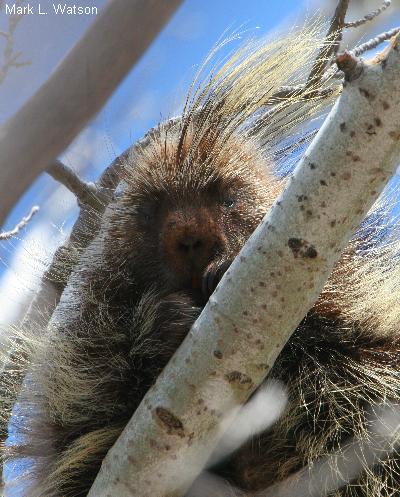
The Common Porcupine (Erethizon dorsatum) is a large, quill-covered rodent (60-90 cm [24-35 in] long not including the tail) in the porcupine family (Erethizontidae) that occurs thoughout the western and northeastern US in coniferous and mixed forests, nesting in hollow trees or in rocks. It is nearsighted, slow-moving, and mostly nocturnal and can be spotted up in trees where it eats the inner bark (cambium) on tree branches. The Common Porcupine will experience a high degree of climate exposure and has a high adaptive capacity. Overall, it has a Climate Change Vulnerability Index ranking of Less Vulnerable under the Representative Concentration Pathway (RCP) 4.5 Scenario and Moderately Vulnerable under the RCP 8.5 Scenario. The Common Porcupine’s climate change vulnerability is impacted by life history factors, which influence its ability to persist in place.