

| Scientific Name | Cynomys ludovicianus |
| Category | F |
| Taxon | Mammals |
| Climate Change Vulnerability Score | Moderately Vulnerable |
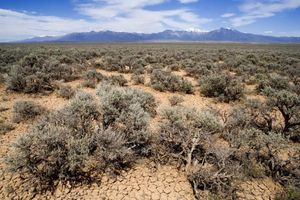
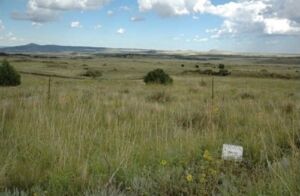
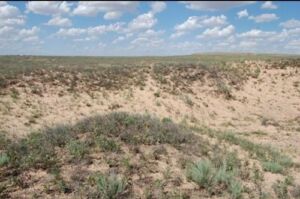
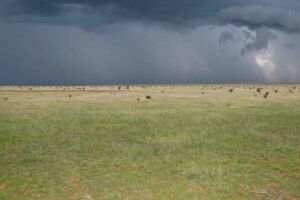
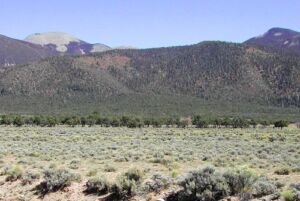
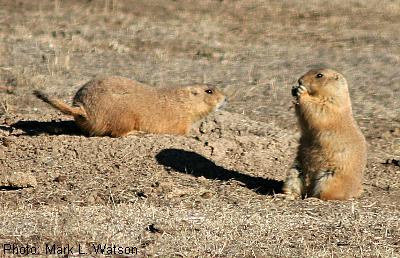
The Black-tailed Prairie Dog (Cynomys ludovicianus) is a large (42 cm [16.5 in]; 0.7-1.4 kg [1.5-3 lb]), social, burrowing rodent in the squirrel family (Sciuridae). It has been locally extirpated from many areas of its range due to plague and eradication efforts. It inhabits open grasslands and its preferred diet is grasses. The Arizona subspecies is found in Chaves, Eddy, Lincoln, and Otero Counties. The nominal subspecies is found in the eastern half of and southwestern New Mexico. The Black-Tailed Prairie Dog will experience a high degree of climate exposure and has a moderately high adaptive capacity. Overall, it has a Climate Change Vulnerability Index ranking of Moderately Vulnerable under both an Representative Concentration Pathway (RCP) 4.5 and RCP 8.5 Scenario. The Black-tailed Prairie Dog’s climate change vulnerability is impacted by factors related to movement, evolutionary potential, and abiotic niche, which influence its ability to shift in space and respond to climate